We had some light showers as we packed the Ute for the next leg of our journey. Probably the last rain I remember on the trip. While thankful that our luggage remained dry, I began to have reservations about the quantity of it. I had seen motorhomes before but had never seen five people attempt to stow their belongings in one. But not wanting to meet trouble half way, I parked my concerns and focused on the drive. It was a rare and enjoyable experience being a passenger. Another opportunity to observe the changing landscape as we left Margaret River on the road to Perth. The distance is 280km but in Western Australia, places are so far apart that they use the ‘time as distance’ rule. This means Perth is 3 hours from Margs and is ‘down the road’. The tree-lined country roads and lush vineyards soon gave way to small quaint towns with unfamiliar names like Cowarumup and to slightly bigger ones whose names, like Busselton and Bunbury, were a giveaway as to their colonial past. As we approached Perth, the relaxed atmosphere of wine country, with its quiet roads and laid back vibe, already seemed like a distant memory.
Did you know? Perth is a contender for the most isolated major city in the world, depending on the parameters used. It has 2.2 million inhabitants and its nearest large city neighbour is Adelaide, which is 2,100km (1,305 miles) away.
After the requisite rundown of the moho, delivered by a less than enthusiastic employee of the hire company (Apollo), the task of decanting and storing belongings began. Interestingly, Apollo, does not specify a specific cubic litre capacity for cargo storage. Instead, you have to allocate sleeping areas and use the closest overhead lockers or under-seat compartments for your clothes, shoes, devices, toiletries, medication etc. And this is where being an accomplished member of the Magic Circle would be very useful. I couldn’t help but think of Dr Who’s Tardis, which looked like a telephone kiosk on the outside but was huge on the inside. The Moho, on the other hand, looked smaller than expected on the outside and even smaller on the inside! Challenging as the loading operation was, we were finally ready to hit the road.
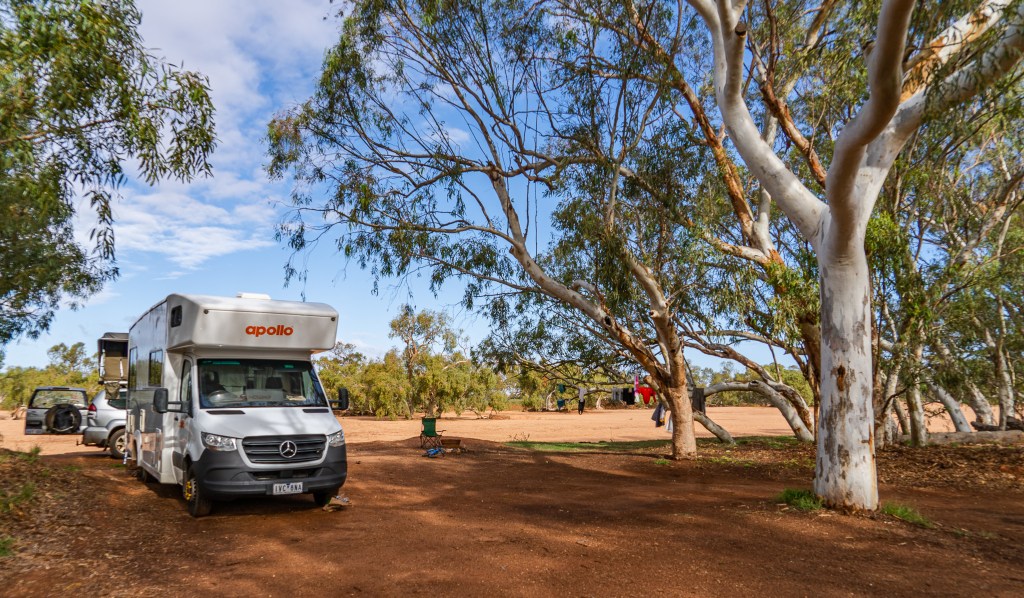
The Moho. While challenging at times, we couldn’t help but develop a certain affection for the old girl. Her clock had over 200k km on it and if she was a horse, would probably would have been put out to pasture long ago. But she served us well-for a while!
Our first campsite was Jurien Bay. Another ‘short drive’ of 220km. We were in good spirits as we travelled north along the coast. The novelty for the passengers being able to sit at a table, playing cards or snacking while enjoying the scenery, was obvious. The trauma of loading the Moho already becoming a vague recollection.
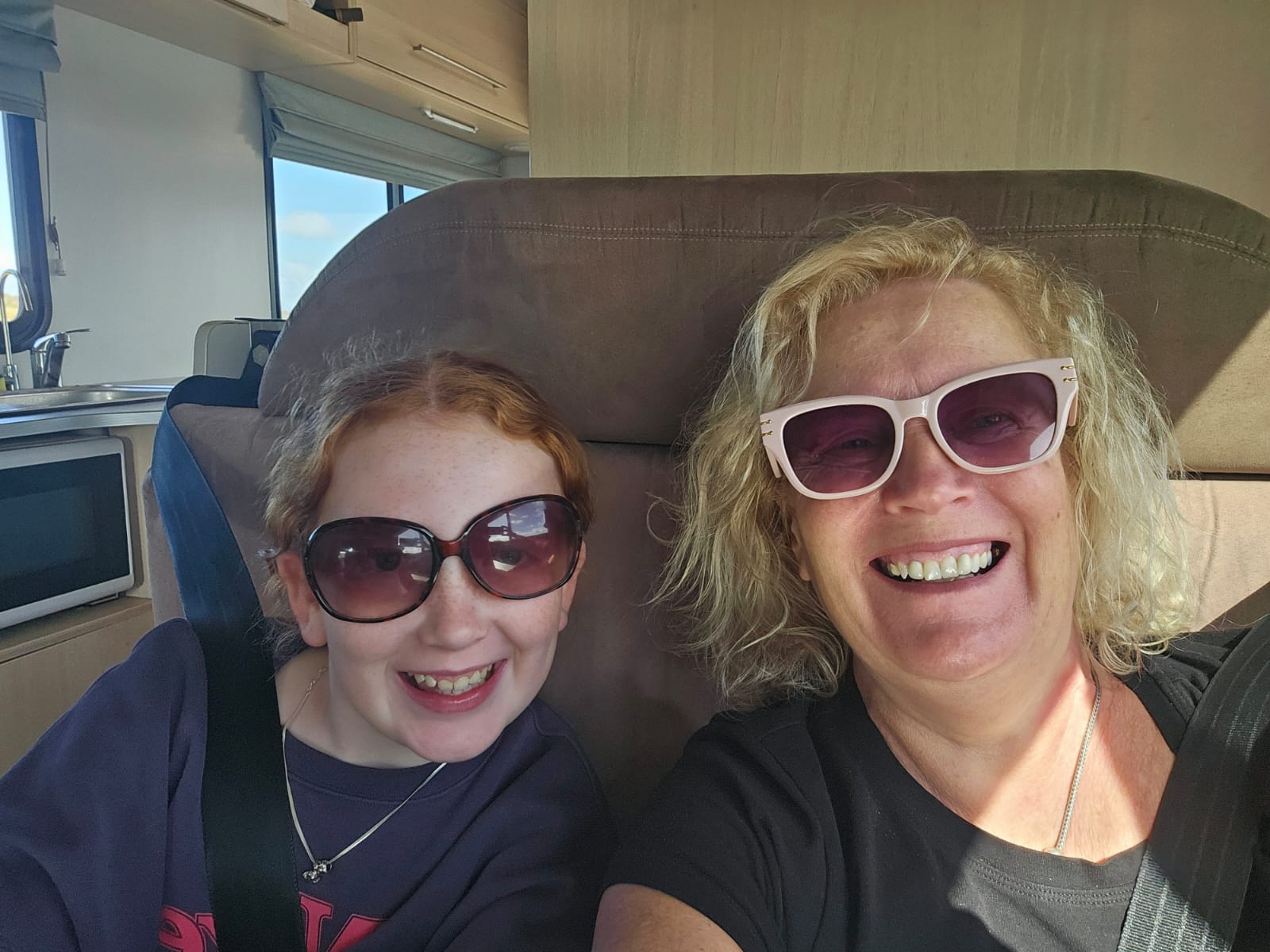
The novelty of sitting at a table while driving along, never faded.
This first stretch of our travels began to reveal to us the vast nature of Western Australia and the diverse and unique facets of the country.
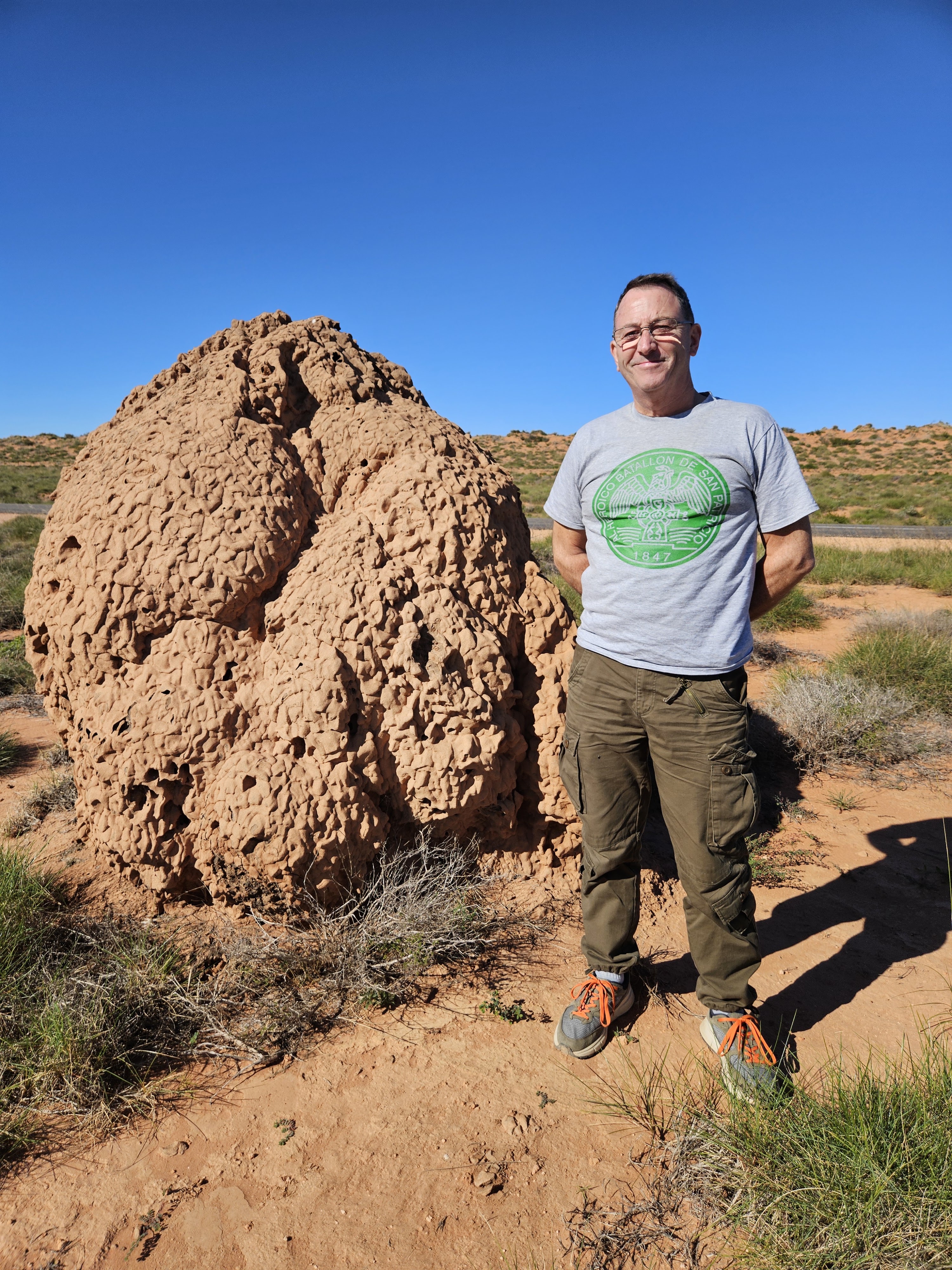
There were thousands of strange structures in the fields lining the road, which turned out to be termite mounds. Note the tightly pulled draw cords at my ankles!
I think it was on the road to Jurien Bay that I first noticed a tangible change in my mood. The wide open plains of the landscape seemed to evoke a sense of lightness and well being. I felt as if I was being exposed to generous doses of all the natural things that are beneficial to the mind and spirit. Later in the trip, I would discover the deep connection that the indigenous people have to the land. But that’s for another post. What I will say, is that it is no surprise that such a unique landscape would inspire such feelings of attachment and oneness with the environment.
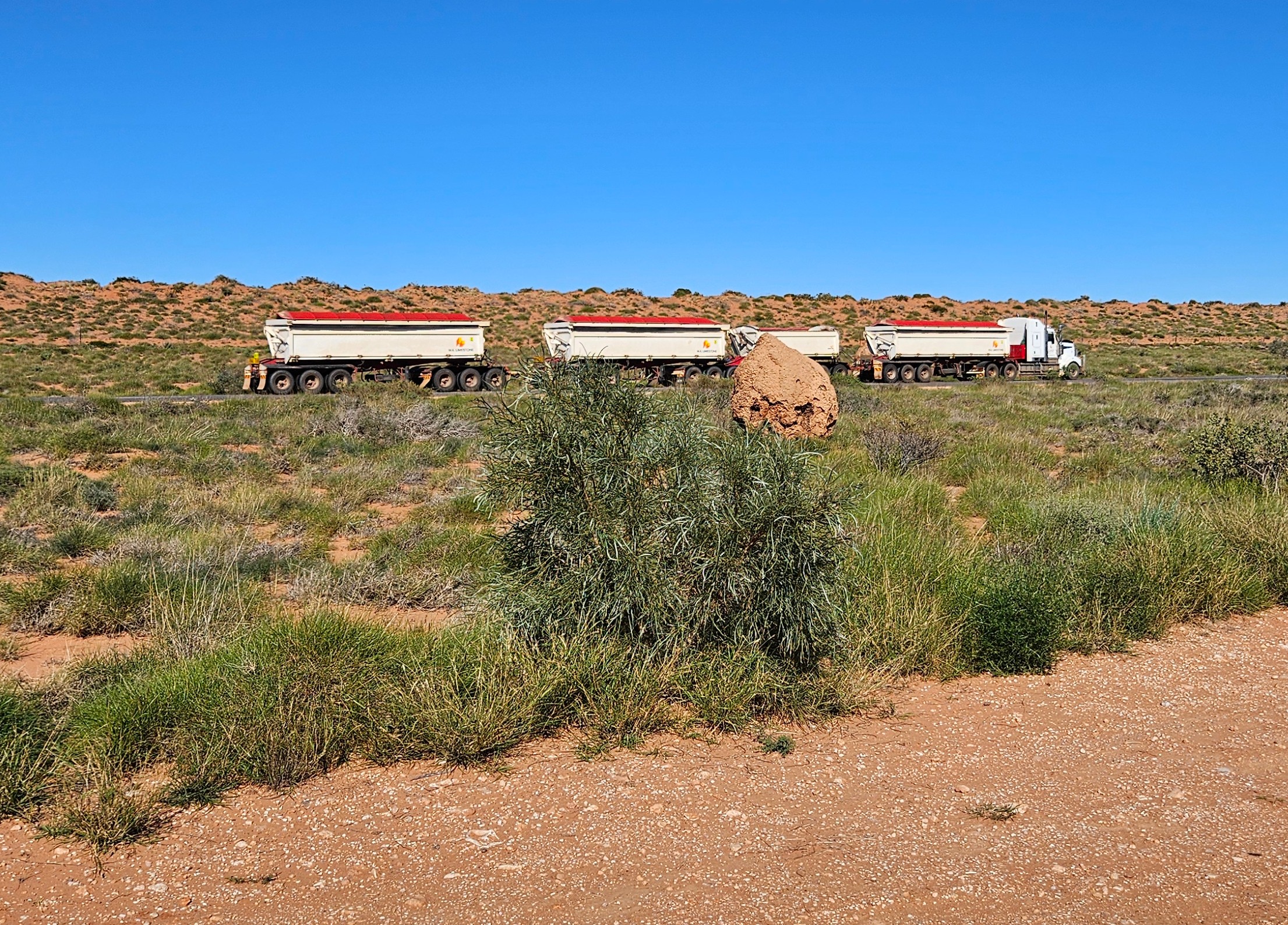
Another first for me was the sight of road trains on these remote roads. An efficient and economical way of transporting freight long distances. And more than a bit scary when one passes alongside you!
Night falls quickly in Western Australia and we navigated our last few kilometers in the dark. The campsite was a basic layout of logged off sections nestled behind the sand dunes. We found our allocated spot and settled down for some home cooked food, Moho style, and a glass or two of local wine.
Tip: There are two things you stock up on, every opportunity you get. Fuel and wine/beer. It’s not unusual to travel 300km between petrol stations or ‘bottle shops’.
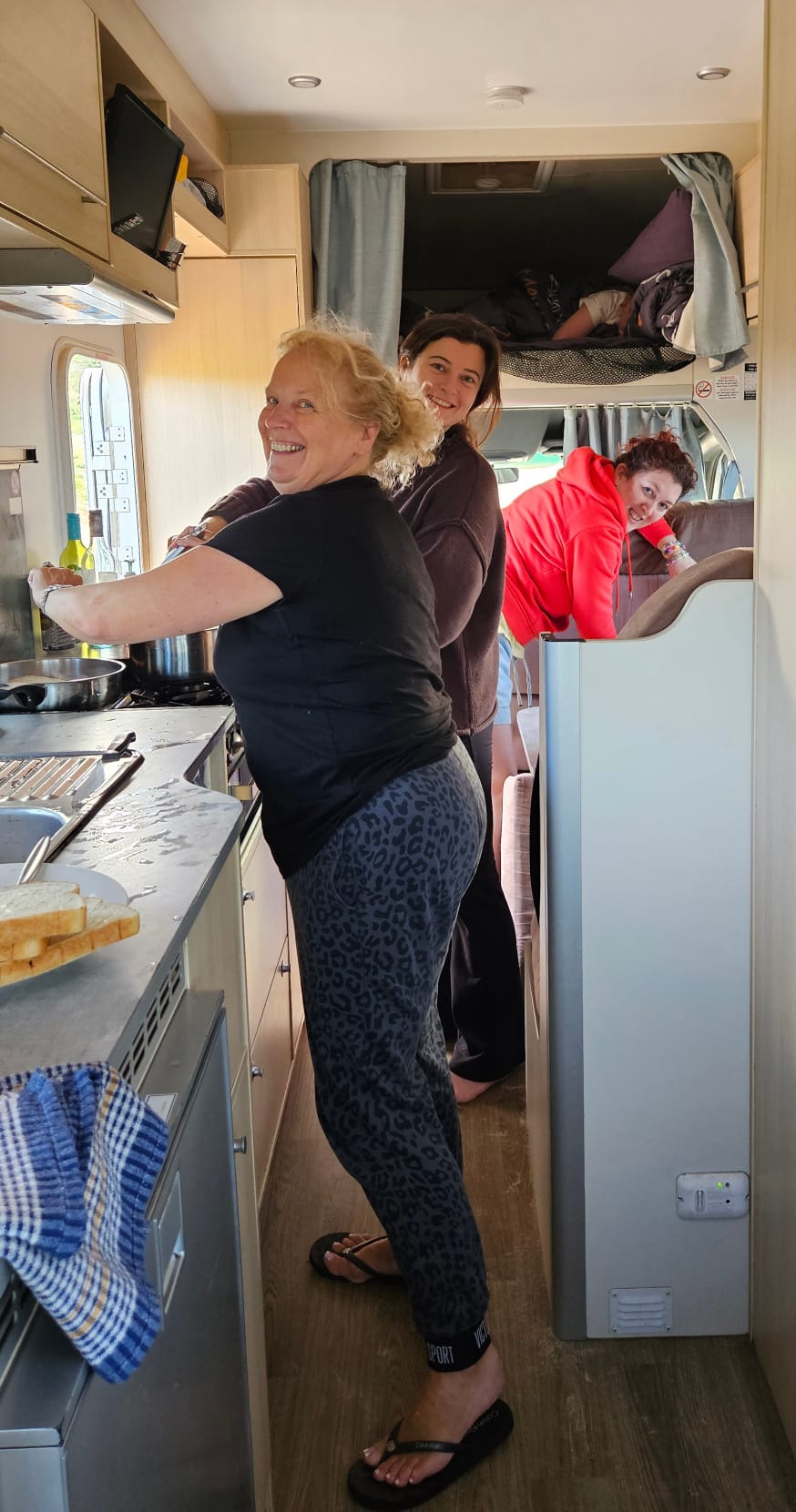
All hands on deck. No breakfast until the beds are converted back to seats!
As we made up our respective beds and turned out the lights, I lay looking at the moon through the skylight. The only sound to be heard was the gentle lapping of the waves on the shore. It felt like we had taken one more step away from ‘civilisation’ and returned to a more natural existence. As the early morning sun crept through the blinds, we emerged, one by one, to explore our surroundings.
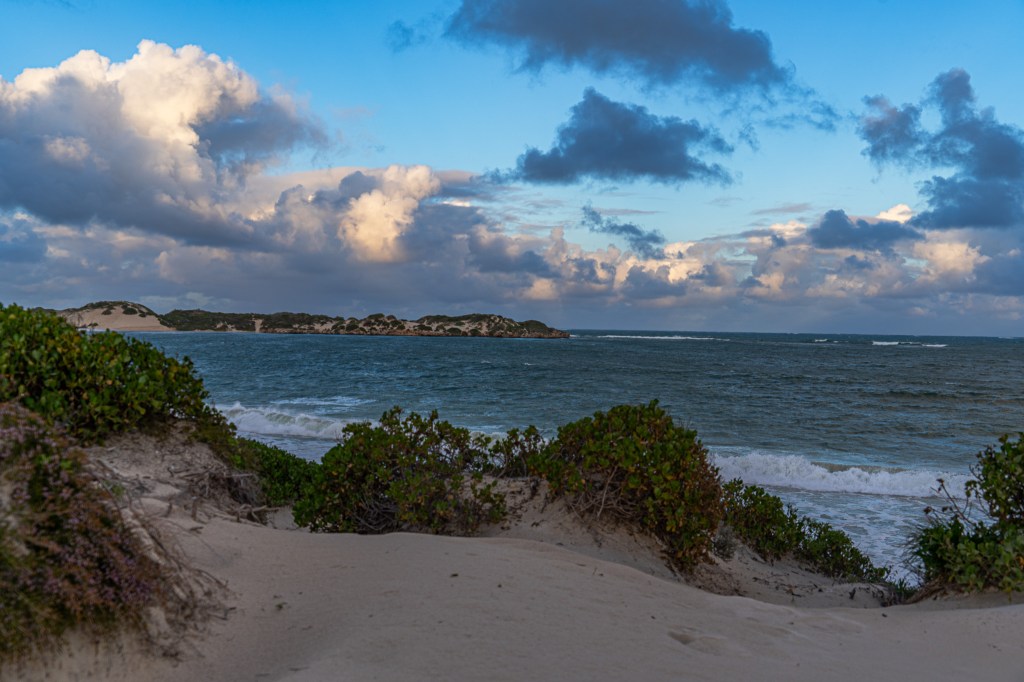
Jurien Bay campsite. I hadn’t realised we were literally a stone’s throw from the ocean.
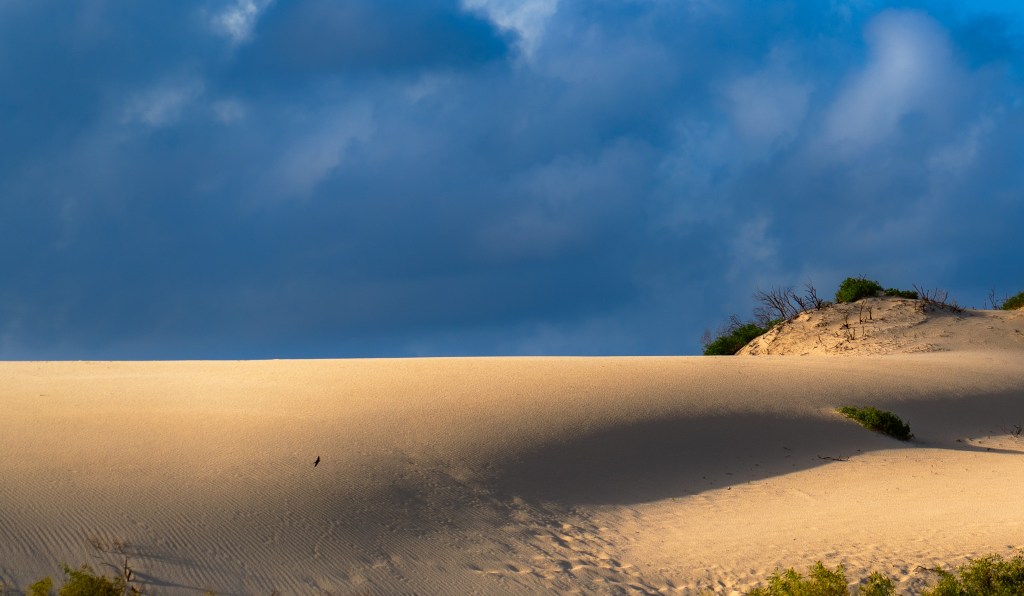
The overall feeling was that we were the first people ever to visit this pristine place.
The Moho comes equipped with a toilet but one thing you quickly learn is that it should be used sparingly! The cassette, which contains all deposits, needs emptied at designated dump sites. And like petrol stations and bottle shops, these can be sparse, though thankfully not as sparse. The capacity of the cassette was 17 litres and with a party of five, it was full after 24 hours. The rule was established that it should be used for night time and emergencies and for liquids only. Solids were an absolute last resort. I strictly enforced this rule because the job of emptying it had somehow fallen to me! I share this toilet chat with you as a prelude to our first encounter with a ‘long drop’ toilet (or dunny). When you think about it, if a campsite is a couple of hundred km from the nearest town, it is unlikely to have a mains water supply or sewage plumbing. And so, the long drop dunny is a dry toilet. It is a stainless steel tube that sits over a pit about 3 metres deep. The waste breaks down via natural decomposition but suprisingly there is no smell as the pits are well ventilated. The toilets are housed in a corrugated outhouse with a large gap around the bottom, so you can have the occasional visitor in there with you but they’re usually harmless. It did take some getting used to, all the same. After all, we are not accustomed to having a breeze blowing where the sun never shines!
Tip: Resist the urge to look down the long drop toilet before you make a deposit. It’s not a pleasant sight.
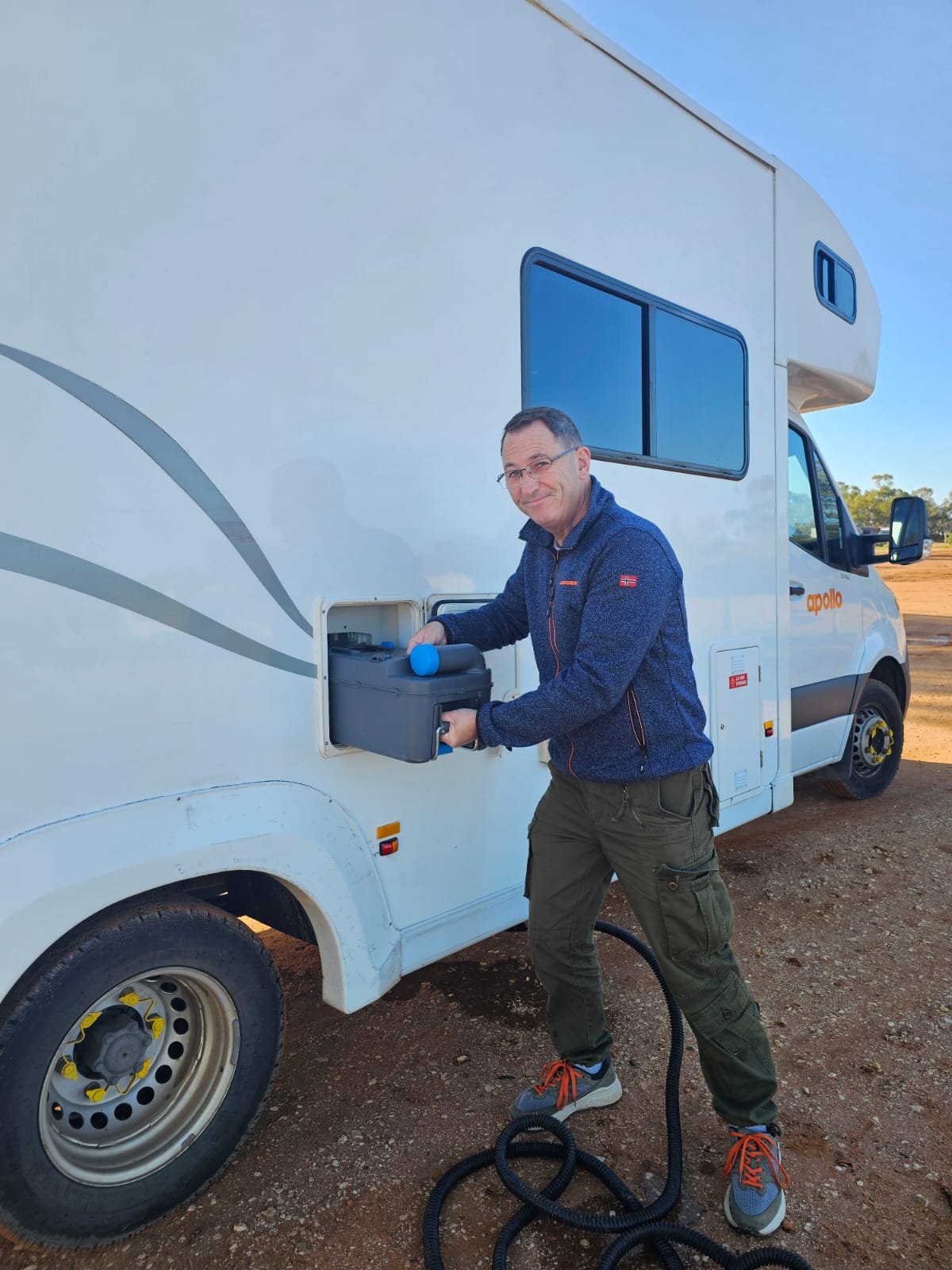
The face says it all.
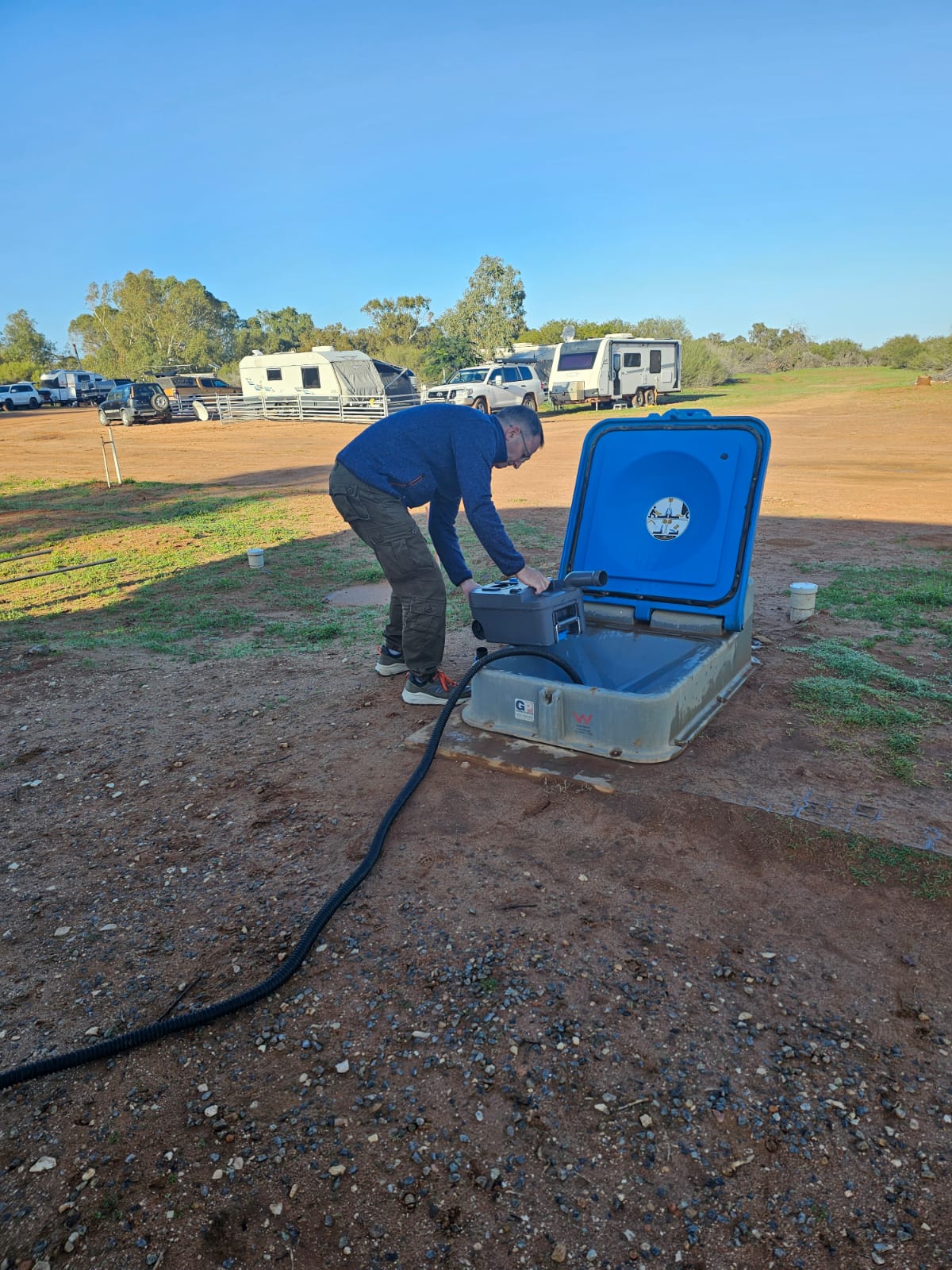
It’s a dirty job but…
And so, we were slowly being introduced to a more primitive existence. And with the experience came an appreciation of the things we take for granted every day, like flushing toilets, warm showers and an endless supply of fresh drinking water. This thought provoking element of our trip was unexpected but it became a constant companion and nurtured a deep gratitude of our privileged lives.
Our next destination was Kalbarri National Park and some of the most epic scenery of our trip. Hope to see you there.

