Roadtrippin’ Western Australia, 2026. Part 2. The Moho.

We had some light showers as we packed the Ute for the next leg of our journey. Probably the last rain I remember on the trip. While thankful that our luggage remained dry, I began to have reservations about the quantity of it. I had seen motorhomes before but had never seen five people attempt to stow their belongings in one. But not wanting to meet trouble half way, I parked my concerns and focused on the drive. It was a rare and enjoyable experience being a passenger. Another opportunity to observe the changing landscape as we left Margaret River on the road to Perth. The distance is 280km but in Western Australia, places are so far apart that they use the ‘time as distance’ rule. This means Perth is 3 hours from Margs and is ‘down the road’. The tree-lined country roads and lush vineyards soon gave way to small quaint towns with unfamiliar names like Cowarumup and to slightly bigger ones whose names, like Busselton and Bunbury, were a giveaway as to their colonial past. As we approached Perth, the relaxed atmosphere of wine country, with its quiet roads and laid back vibe, already seemed like a distant memory.

Did you know? Perth is a contender for the most isolated major city in the world, depending on the parameters used. It has 2.2 million inhabitants and its nearest large city neighbour is Adelaide, which is 2,100km (1,305 miles) away.

After the requisite rundown of the moho, delivered by a less than enthusiastic employee of the hire company (Apollo), the task of decanting and storing belongings began. Interestingly, Apollo, does not specify a specific cubic litre capacity for cargo storage. Instead, you have to allocate sleeping areas and use the closest overhead lockers or under-seat compartments for your clothes, shoes, devices, toiletries, medication etc. And this is where being an accomplished member of the Magic Circle would be very useful. I couldn’t help but think of Dr Who’s Tardis, which looked like a telephone kiosk on the outside but was huge on the inside. The Moho, on the other hand, looked smaller than expected on the outside and even smaller on the inside! Challenging as the loading operation was, we were finally ready to hit the road.
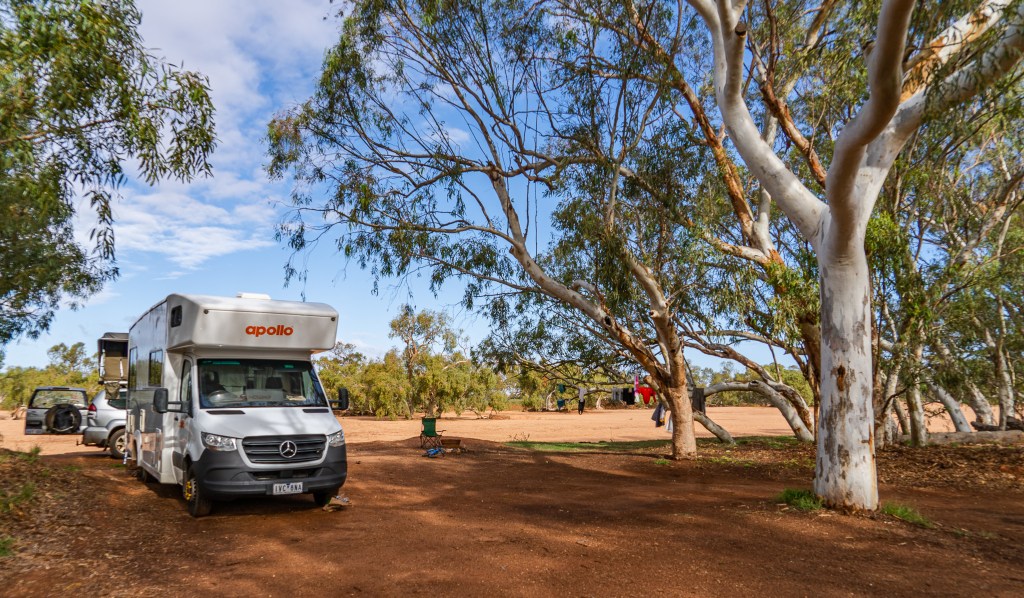
The Moho. While challenging at times, we couldn’t help but develop a certain affection for the old girl. Her clock had over 200k km on it and if she was a horse, would probably would have been put out to pasture long ago. But she served us well-for a while!

Our first campsite was Jurien Bay. Another ‘short drive’ of 220km. We were in good spirits as we travelled north along the coast. The novelty for the passengers being able to sit at a table, playing cards or snacking while enjoying the scenery, was obvious. The trauma of loading the Moho already becoming a vague recollection.
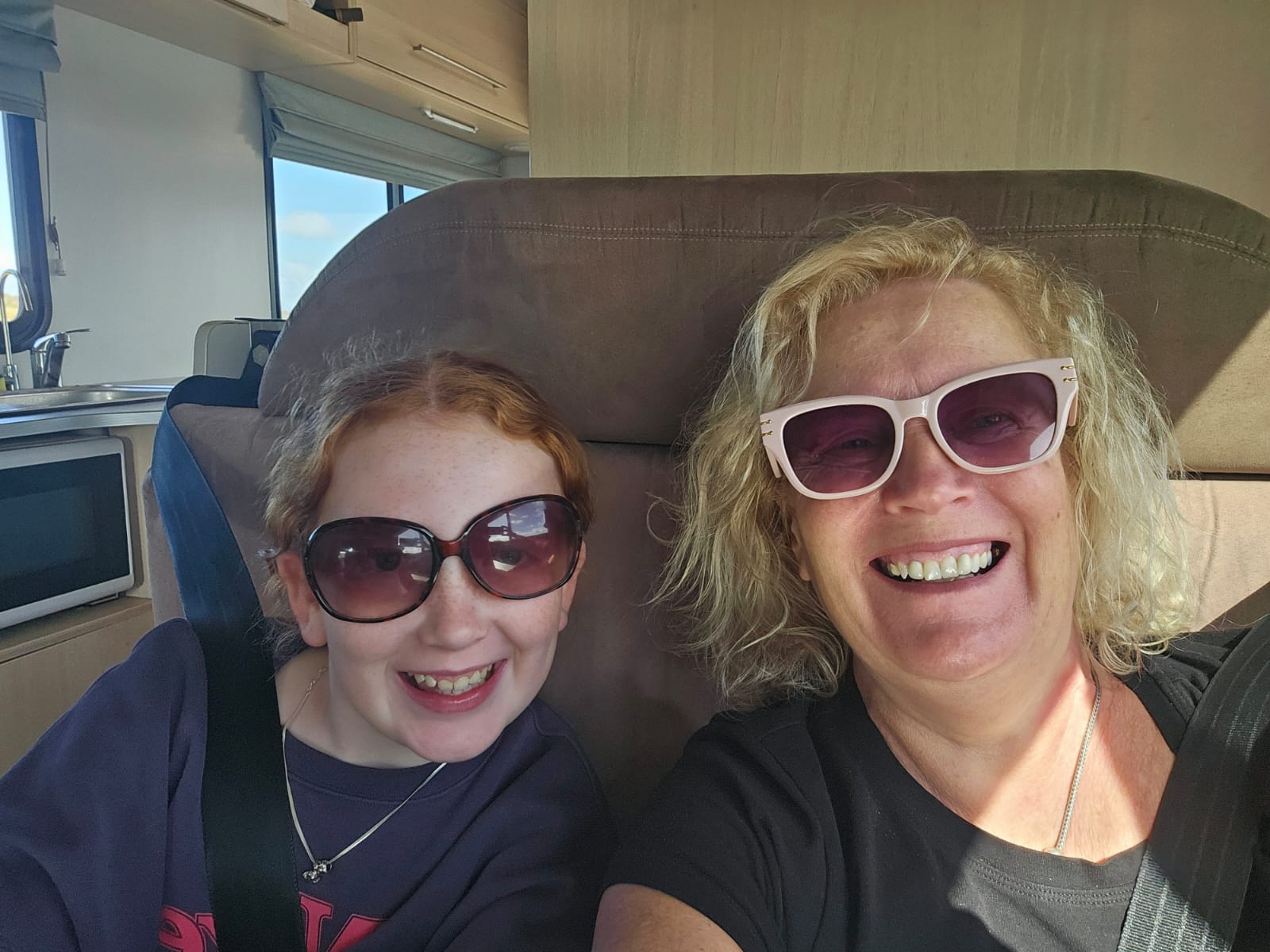
The novelty of sitting at a table while driving along, never faded.

This first stretch of our travels began to reveal to us the vast nature of Western Australia and the diverse and unique facets of the country.
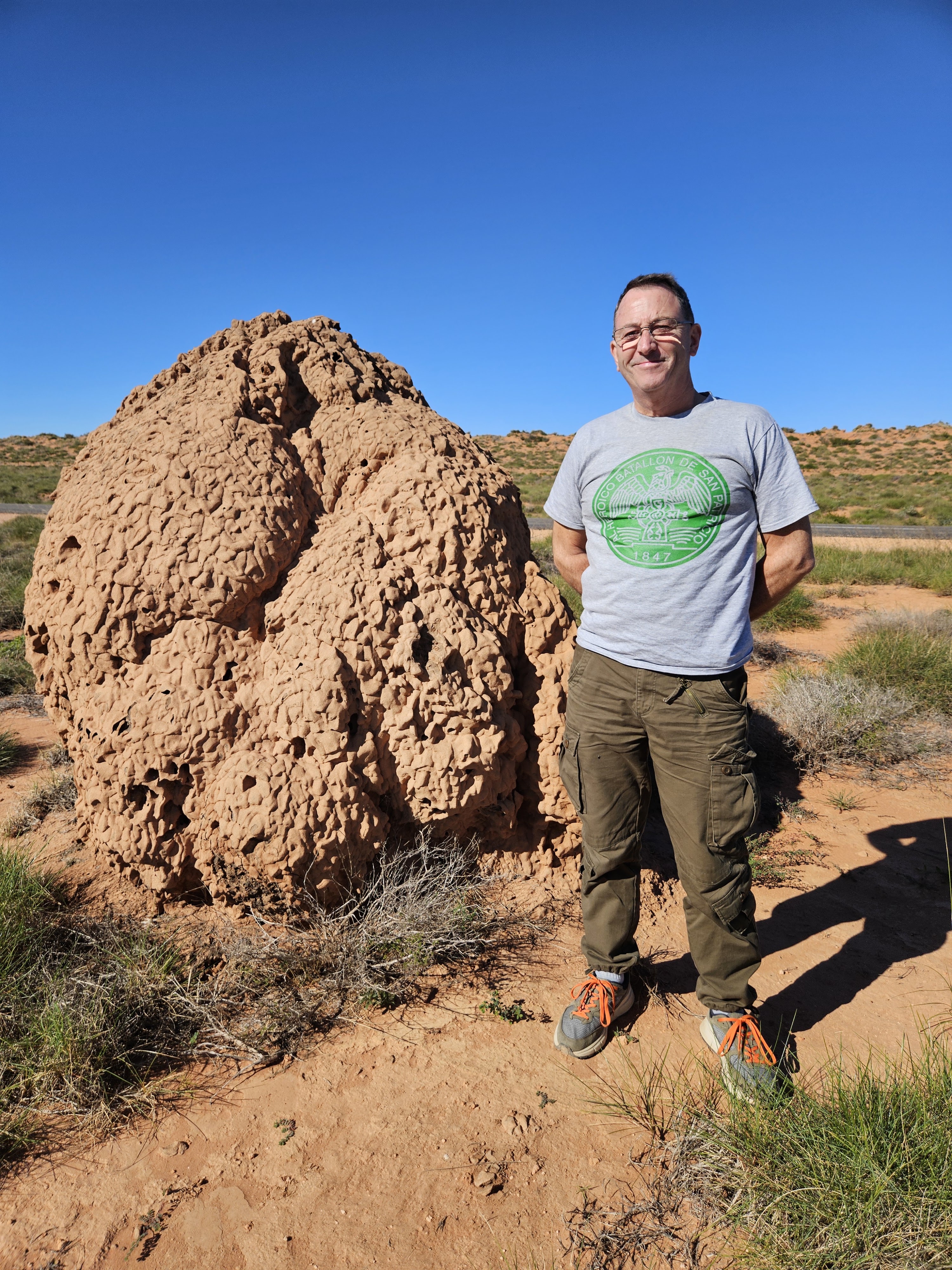
There were thousands of strange structures in the fields lining the road, which turned out to be termite mounds. Note the tightly pulled draw cords at my ankles!

I think it was on the road to Jurien Bay that I first noticed a tangible change in my mood. The wide open plains of the landscape seemed to evoke a sense of lightness and well being. I felt as if I was being exposed to generous doses of all the natural things that are beneficial to the mind and spirit. Later in the trip, I would discover the deep connection that the indigenous people have to the land. But that’s for another post. What I will say, is that it is no surprise that such a unique landscape would inspire such feelings of attachment and oneness with the environment.
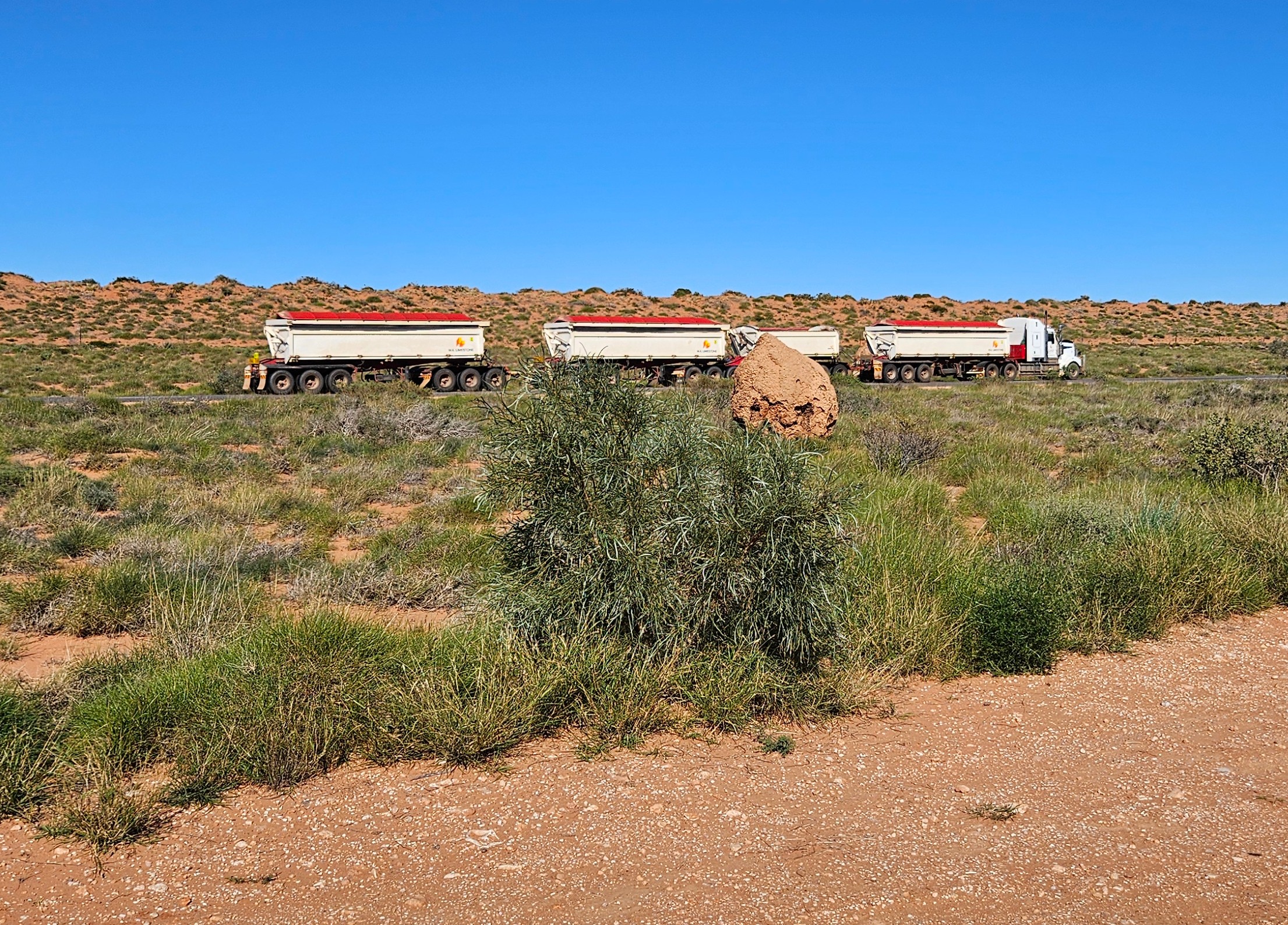
Another first for me was the sight of road trains on these remote roads. An efficient and economical way of transporting freight long distances. And more than a bit scary when one passes alongside you!

Night falls quickly in Western Australia and we navigated our last few kilometers in the dark. The campsite was a basic layout of logged off sections nestled behind the sand dunes. We found our allocated spot and settled down for some home cooked food, Moho style, and a glass or two of local wine.

Tip: There are two things you stock up on, every opportunity you get. Fuel and wine/beer. It’s not unusual to travel 300km between petrol stations or ‘bottle shops’.
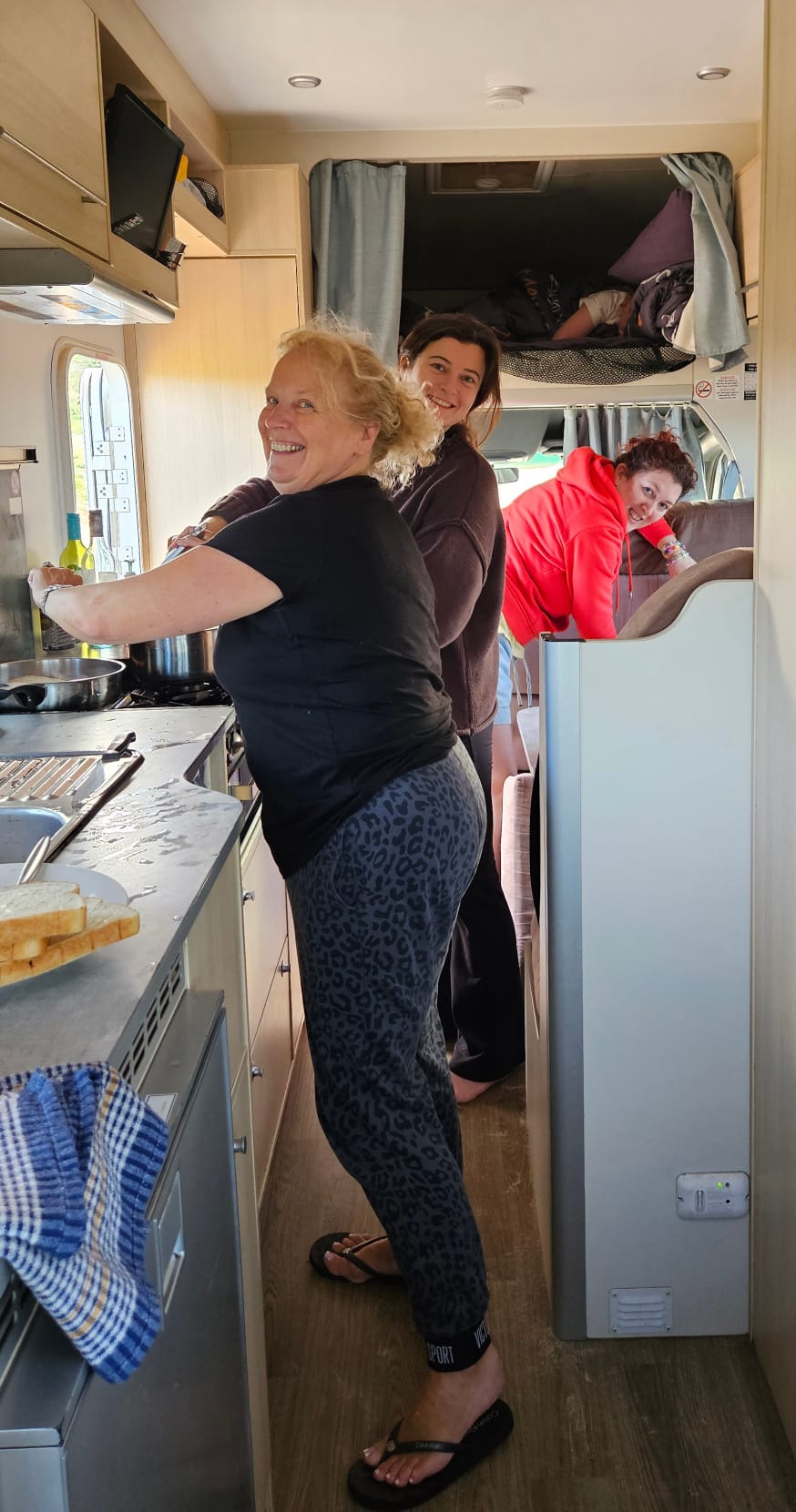
All hands on deck. No breakfast until the beds are converted back to seats!

As we made up our respective beds and turned out the lights, I lay looking at the moon through the skylight. The only sound to be heard was the gentle lapping of the waves on the shore. It felt like we had taken one more step away from ‘civilisation’ and returned to a more natural existence. As the early morning sun crept through the blinds, we emerged, one by one, to explore our surroundings.
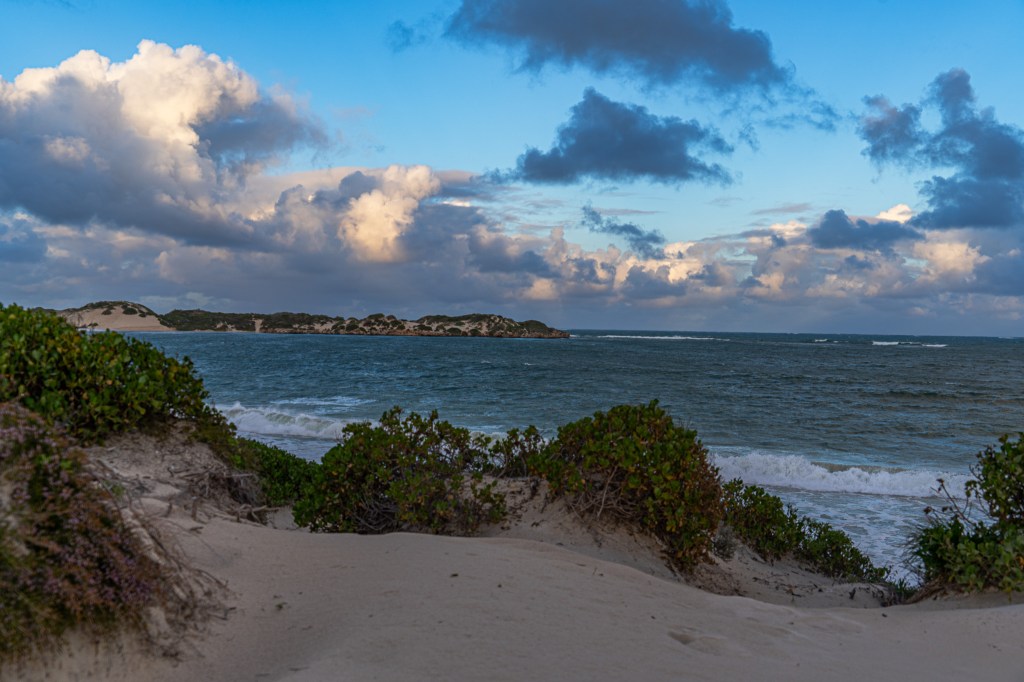
Jurien Bay campsite. I hadn’t realised we were literally a stone’s throw from the ocean.
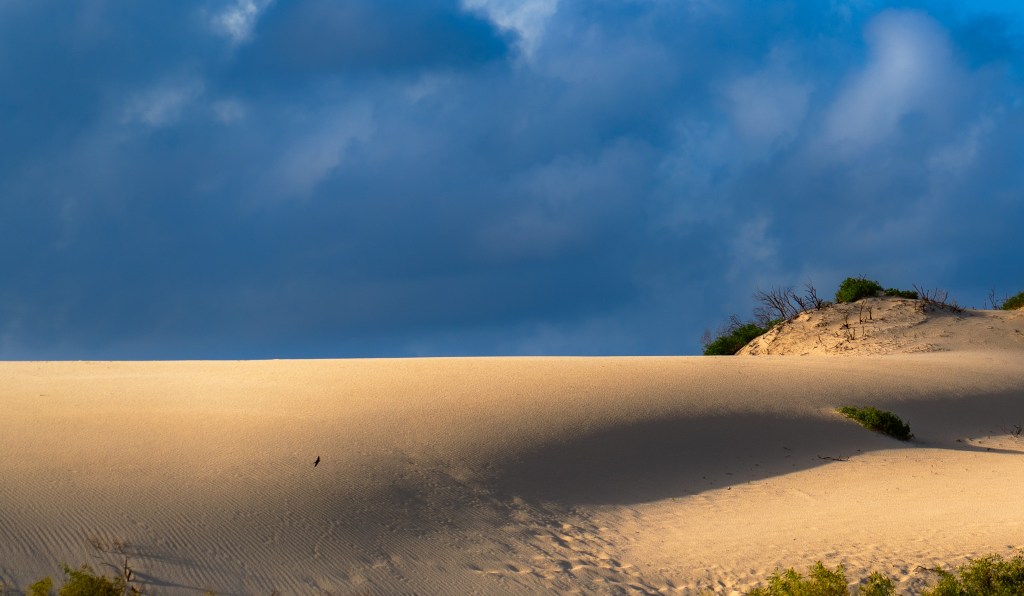
The overall feeling was that we were the first people ever to visit this pristine place.

The Moho comes equipped with a toilet but one thing you quickly learn is that it should be used sparingly! The cassette, which contains all deposits, needs emptied at designated dump sites. And like petrol stations and bottle shops, these can be sparse, though thankfully not as sparse. The capacity of the cassette was 17 litres and with a party of five, it was full after 24 hours. The rule was established that it should be used for night time and emergencies and for liquids only. Solids were an absolute last resort. I strictly enforced this rule because the job of emptying it had somehow fallen to me! I share this toilet chat with you as a prelude to our first encounter with a ‘long drop’ toilet (or dunny). When you think about it, if a campsite is a couple of hundred km from the nearest town, it is unlikely to have a mains water supply or sewage plumbing. And so, the long drop dunny is a dry toilet. It is a stainless steel tube that sits over a pit about 3 metres deep. The waste breaks down via natural decomposition but suprisingly there is no smell as the pits are well ventilated. The toilets are housed in a corrugated outhouse with a large gap around the bottom, so you can have the occasional visitor in there with you but they’re usually harmless. It did take some getting used to, all the same. After all, we are not accustomed to having a breeze blowing where the sun never shines!

Tip: Resist the urge to look down the long drop toilet before you make a deposit. It’s not a pleasant sight.
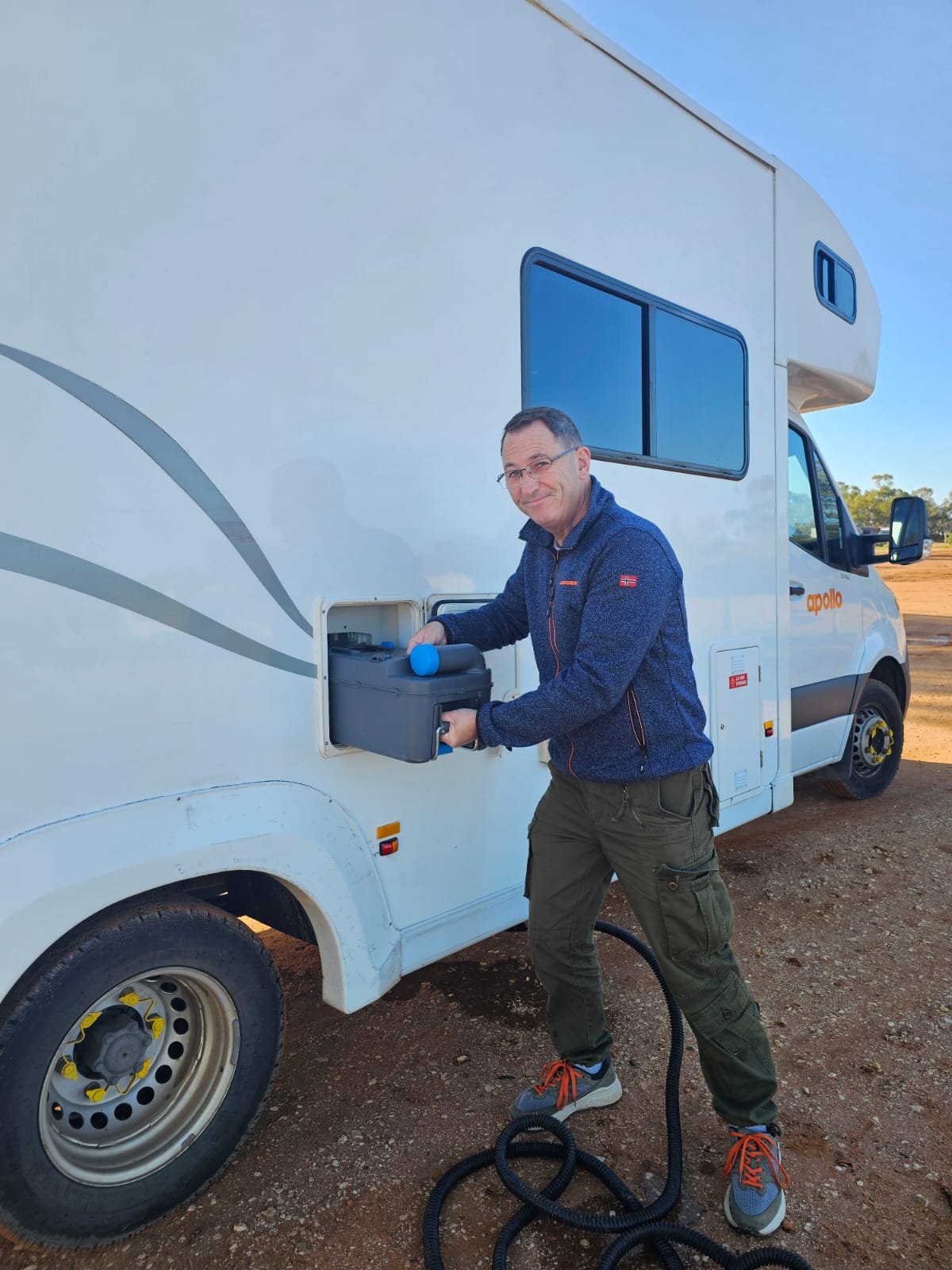
The face says it all.
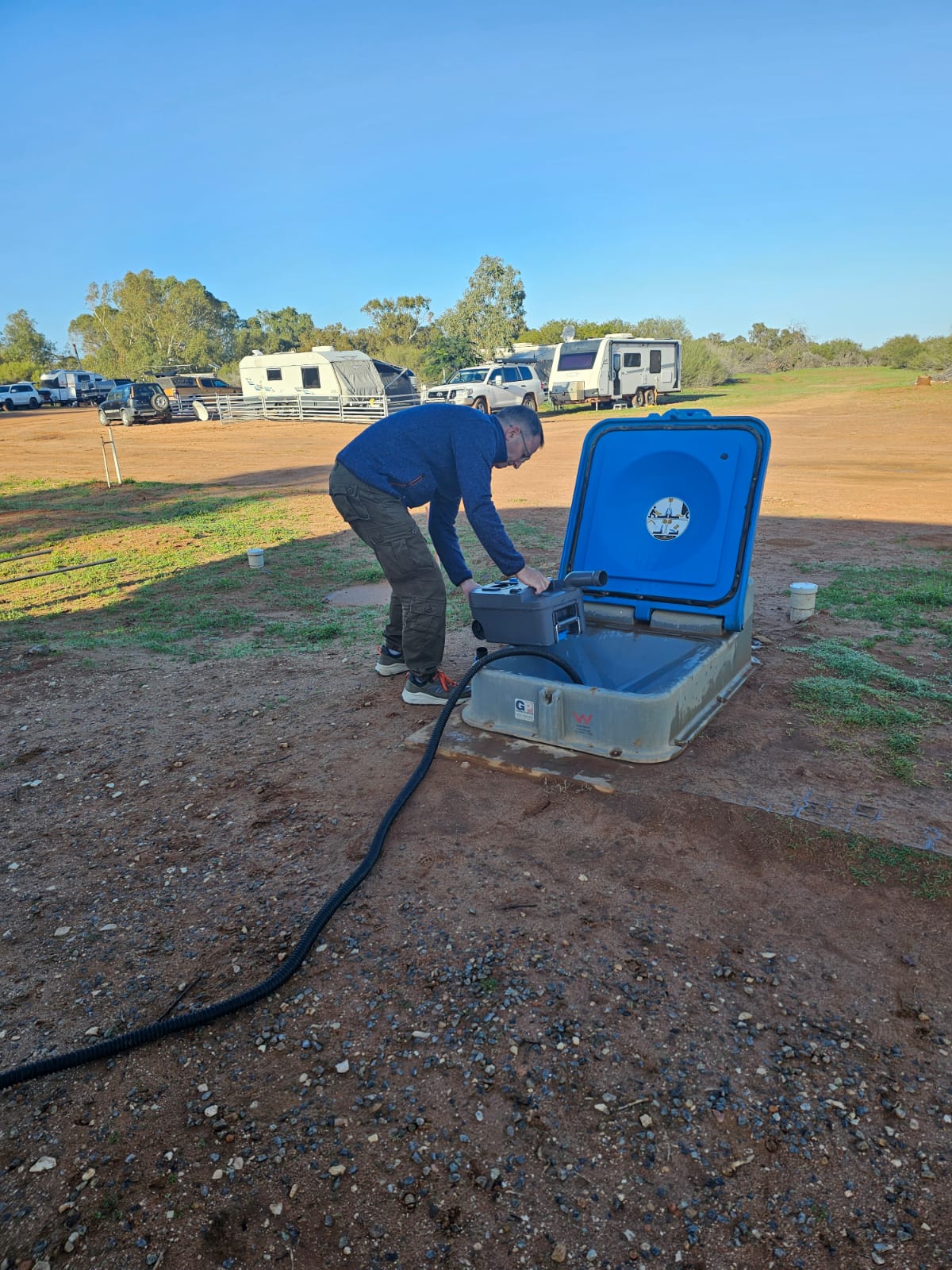
It’s a dirty job but…

And so, we were slowly being introduced to a more primitive existence. And with the experience came an appreciation of the things we take for granted every day, like flushing toilets, warm showers and an endless supply of fresh drinking water. This thought provoking element of our trip was unexpected but it became a constant companion and nurtured a deep gratitude of our privileged lives.

Our next destination was Kalbarri National Park and some of the most epic scenery of our trip. Hope to see you there.
Road tripping, Western Australia 2026. Part 1: Margaret River.

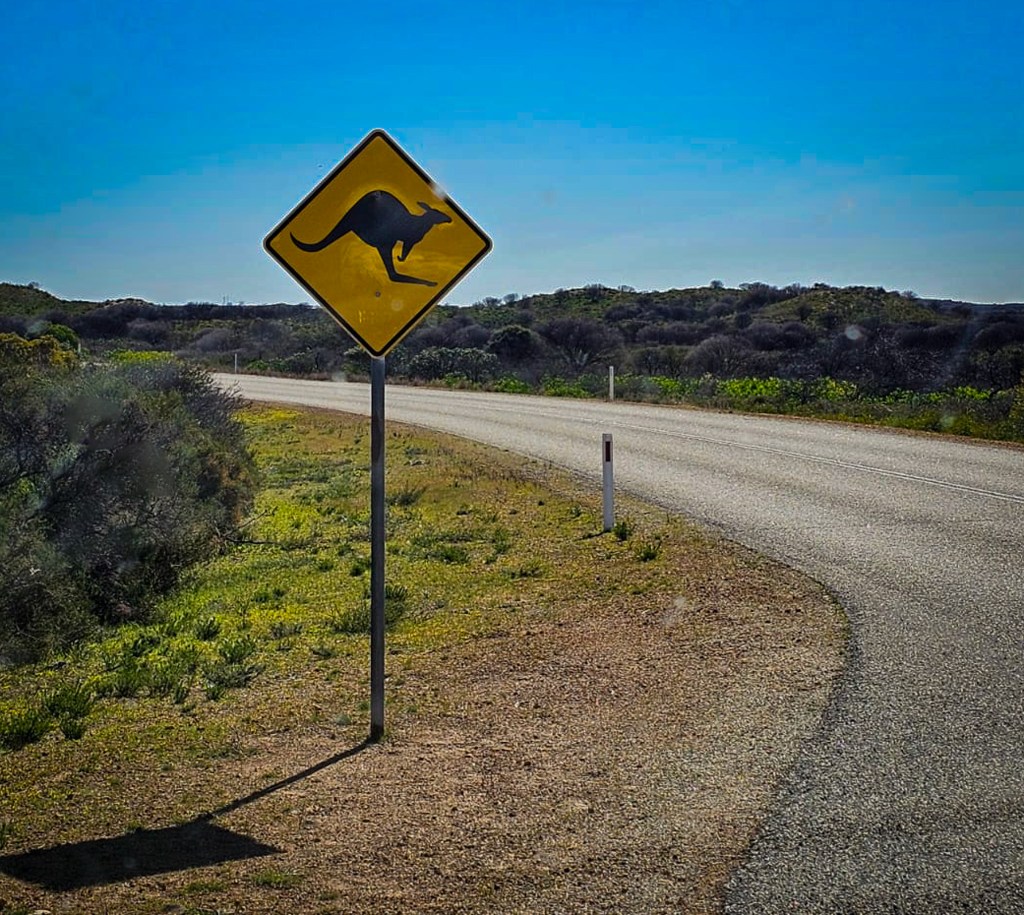
Australia is like its wildlife-unique!

When I first decided to write this blog I thought I would put up some photos of the highlights of our trip with a few descriptions to accompany them. But the more I thought about the experiences we had and the impact they had on me, I realised that a few cursory paragraphs would not do the trip justice at all. I therefore decided to split the blog up into different parts. Hopefully this will make it more accessible, in these days of ever decreasing attention spans, to a wider range of readers. So, if you get bored, you can read one part at a time. Ultimately I want to remain true to the thing that drives me; a desire to put down, as freely as possible, the things I’ve seen and the places I’ve visited, how they impacted on me and perhaps go some way to providing a record for future generations and enabling them to share in those special moments in my life.

Our last trip, which was also our first, to Australia was in 2020. (see post ‘Land Down Under’). We visited our daughter in Brisbane on the southeast coast of Queensland. During that visit we thought that Queensland was like nowhere else on earth. A place where a 60-minute drive could take you, depending on your starting point and direction of travel,  to the city of Brisbane, to the rainforest or to a golden beach. She now lives 4,350km from there in Western Australia in a small town called Margaret River. How she ended up there is a story in itself and one which I hope she will write someday. We were about to embark on a three-week road trip up along the West coast of Australia and were taking a couple of days in Margaret River to catch up with our daughter, meet some of her friends and readjust to something resembling a normal sleeping pattern after travelling across seven time zones.

To describe ‘Margs’, as they call it, as different to Brisbane would be a gross understatement. It has all the small-town attributes, such as people waving at each other as they pass on the roads, offering help to strangers without being asked and generally moving at a slower pace. An unmistakable charm and sense of community prevail, reminiscent of small-town America or a typical small Irish town. You won’t find any large shops or malls here but coffee shops, craft and jewellery studios and artisan bakeries are abundant.  Its geography and climate also make it a prolific wine producing region. We arrived in late June, which is their winter and the weather reminded me of a typical ‘in between’ day back home. One of those days when you’re not sure whether to wear shorts or long trousers and whether it’s safe to hang the Washing out (ok, I never ask that question personally but I know people who do). Apparently this part of Australia can receive heavy rainfall at this time of year but we didn’t experience any.

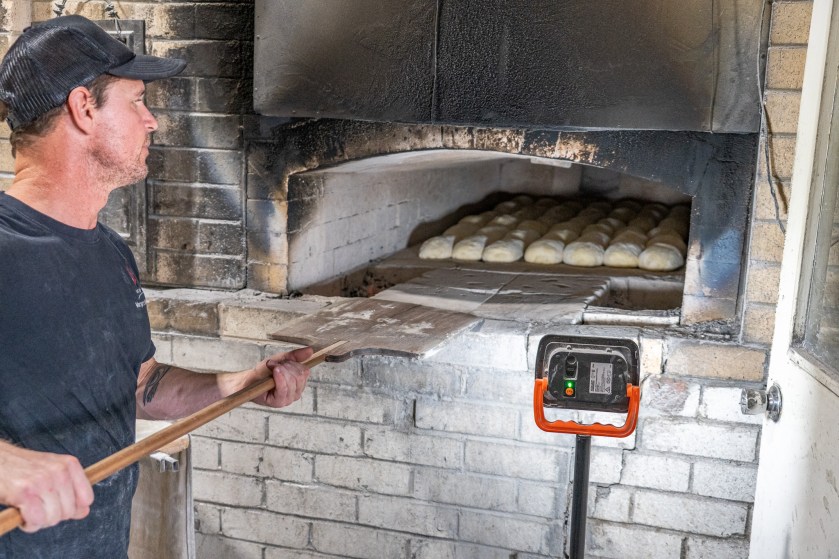
The local bakery in Margaret River, where you can watch the baker load the next batch before selecting your breakfast roll. The aroma of baking bread, combined with the smell of the burning wood that heats the ovens, is, in my opinion, right up there with the smell of fresh cut grass or a Donegal turf fire.
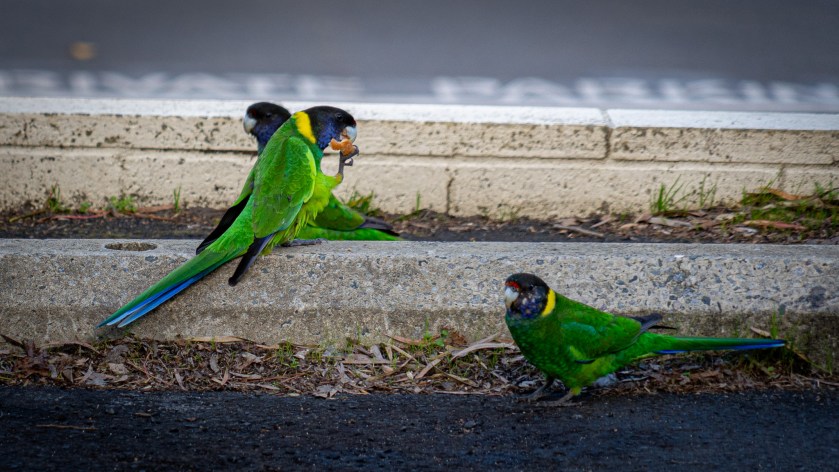
Ten thousand miles separates Ireland from Australia, so it’s not surprising that new sights and sounds are all around. Shortly after our arrival we stopped at a supermarket to pick up a few groceries and, not being a fan of grocery shopping, I busied myself cleaning the windscreen of my daughter’s pickup truck (‘Ute’ as they say in Aussie). Just to make myself useful, you understand, and not in any way inferring that my daughter doesn’t keep her windscreen squeaky clean! Anyway, as the visibility gradually returned, I noticed that the car park was dotted with groups of brightly coloured parrots, casually foraging for scraps of food. In Belfast, my hometown, the most colourful bird you can expect to see in a supermarket car park is a black and white magpie or a grey and black crow. I grabbed my camera and started snapping away, unable to believe my good fortune. However, my excitement at seeing these green, blue, yellow, red and black beauties was somewhat tempered when I was informed by fellow Irishman (who lives in Margs) and big wave hunter, Dave, that their official name is the ‘Twenty-Eight’. Apparently, the name is a reflection of its call which sounds like the three syllables of ‘Twen-ty-eight’. I didn’t hear them make any sounds, so I couldn’t verify this. If I was a cynic, an accusation often levelled at me, I would suggest that the person (I can’t believe it was a collective decision) responsible for naming this exotic bird was either very lazy or had completely lost his/her mojo and, in a state of ennui, named them after his/her house number. I can’t think of any plausible reason why such a striking creature should be labelled with such a spectacularly unglamourous descriptor as ‘28’. Maybe it’s simply a reflection of the laconic tendencies of Australians. A bit of a ramble, I know, but I include this anecdote because it seems like an appropriate portent of what lay ahead. Every day brought something new and unexpected.

A trio of ‘Twenty Eight’ parrots in the car park searching for food. Or maybe they’re holding a demonstration in protest at their inglorious title!

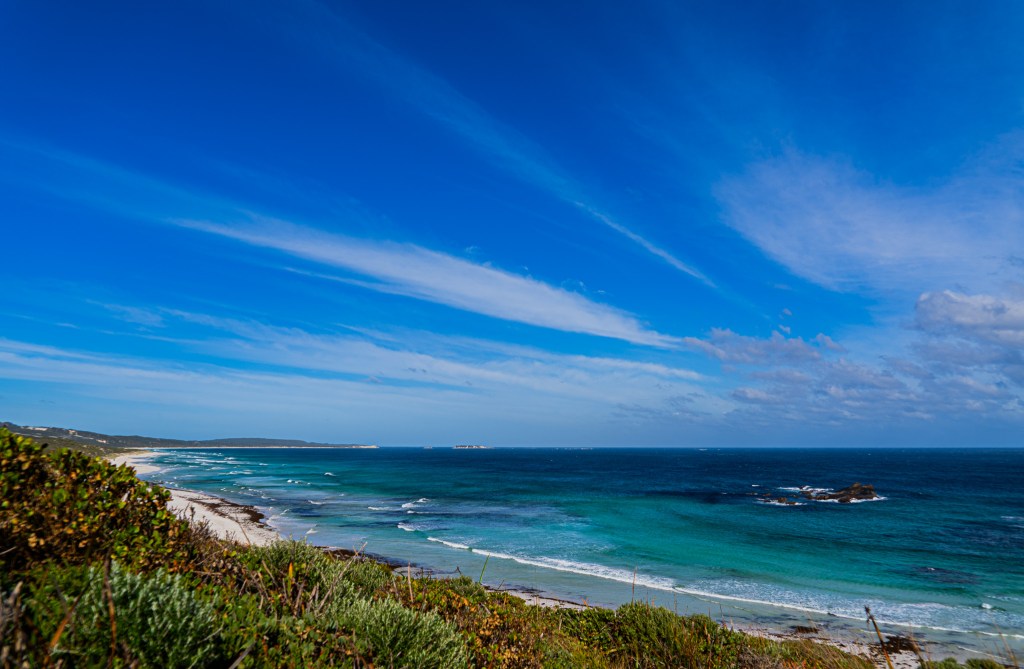
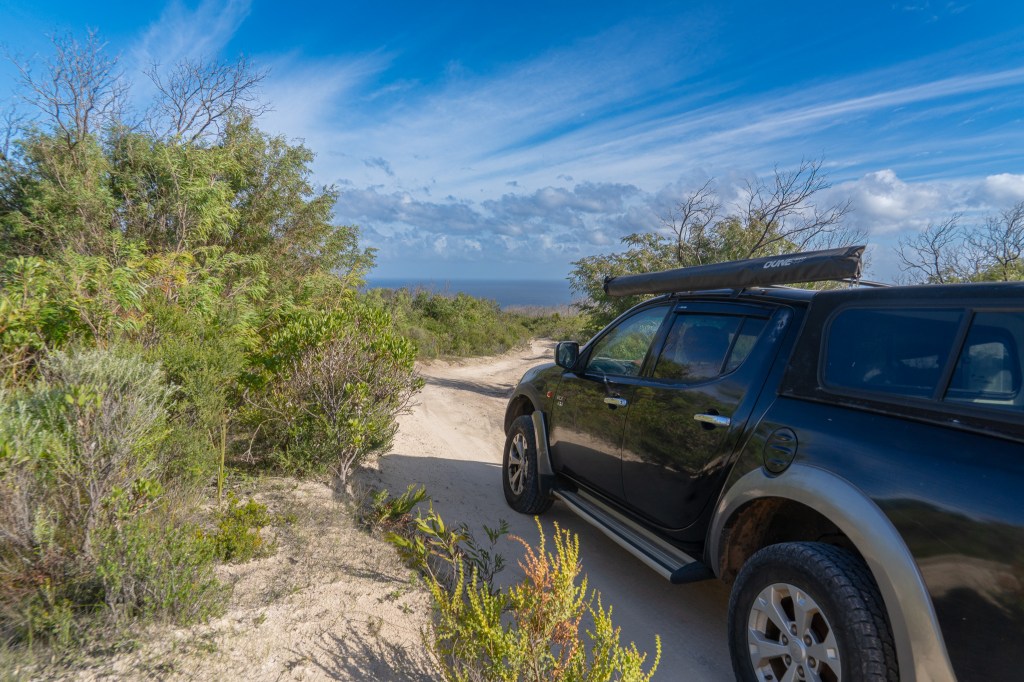
On our first full day in Margaret River, our daughter took us on a unique journey to the coast. I say unique because it was an extreme off-road journey never before experienced. And I say extreme because that’s exactly what it was. The tracks that we navigated were deeply rutted and uneven and, in some places, giant craters had been gouged out which appeared to render the track impassible. On more than one occasion, as we were being thrown about like ragdolls and the tilting of the vehicle was evoking theme park rollercoaster memories, I thought there was a strong possibility that the vehicle was going to overturn. Luckily it never came to that. Relief set in when we reached the coast at a place called Boranup. I was immediately struck by how similar the coastline was to the beaches of northwest Donegal in Ireland. A place I know well. But we weren’t looking at the Atlantic. This was the Indian Ocean. A world away. But in some respects, just like home. The thought crossed my mind that perhaps this was one of the attractions for young people coming from Ireland. While Australia is different in so many ways, there are still features and characteristics that remind them of their roots. Ireland is such a small island that the taste of salt air on your lips is never far away. Literally, or as a happy childhood memory. Maybe this core element of their DNA is one of the factors that makes it easy for them to think of Australia as ‘home’.

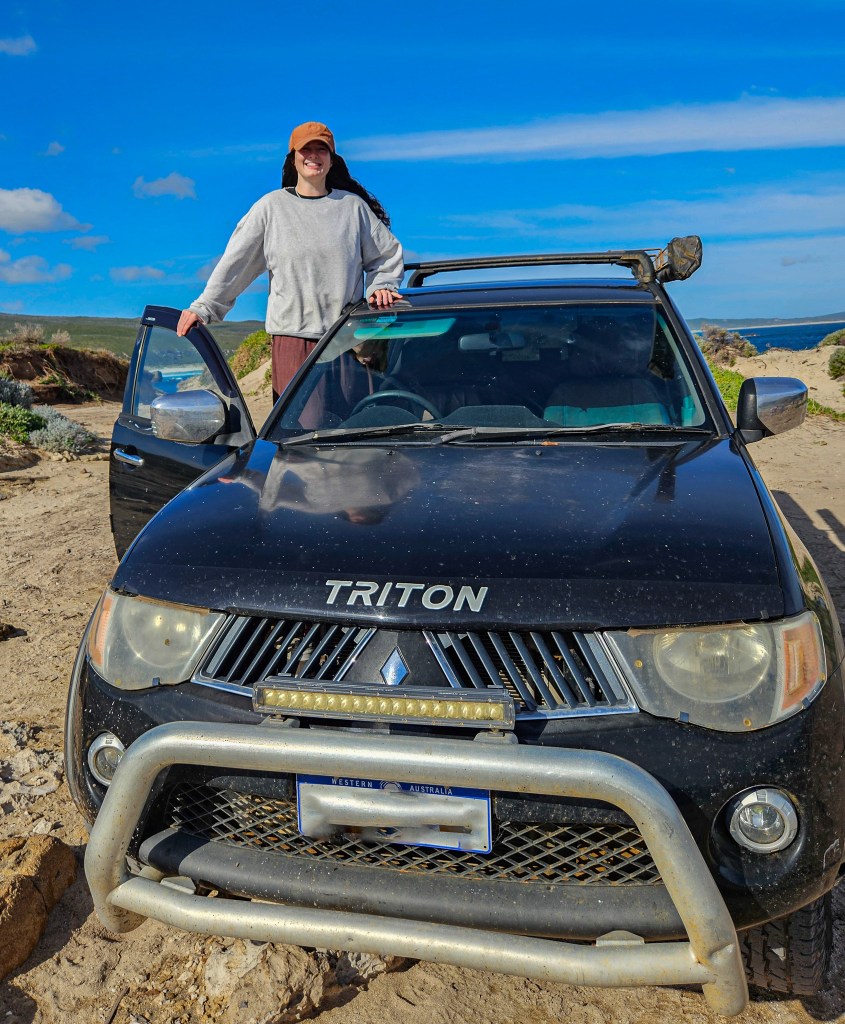
Boranup, Hamelin Bay, in the Margaret River region. Not forgetting the ‘Ute’.

My daughter summed up the drive, “Apologies, I’m not used to back seat passengers. Hope there aren’t too many head injuries!”

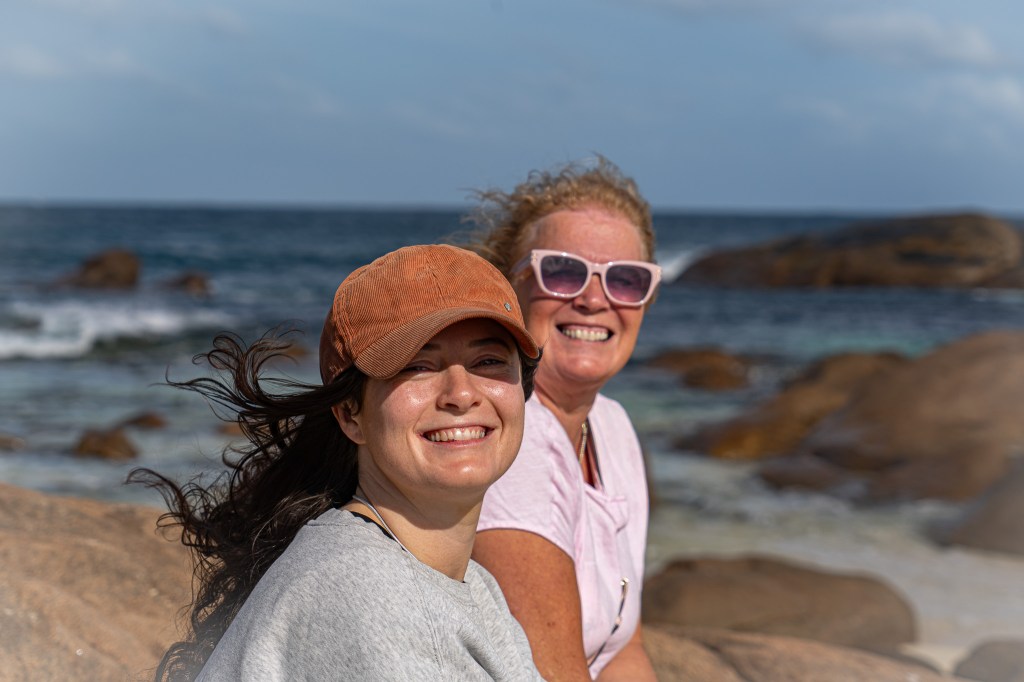
Mother and daughter reunited.

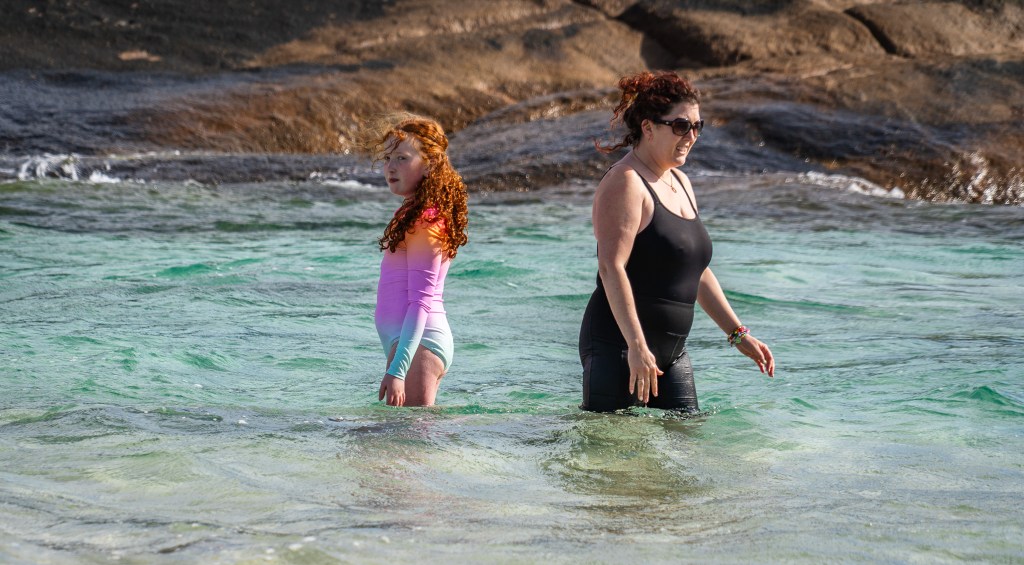
Daughter and granddaughter testing the water.

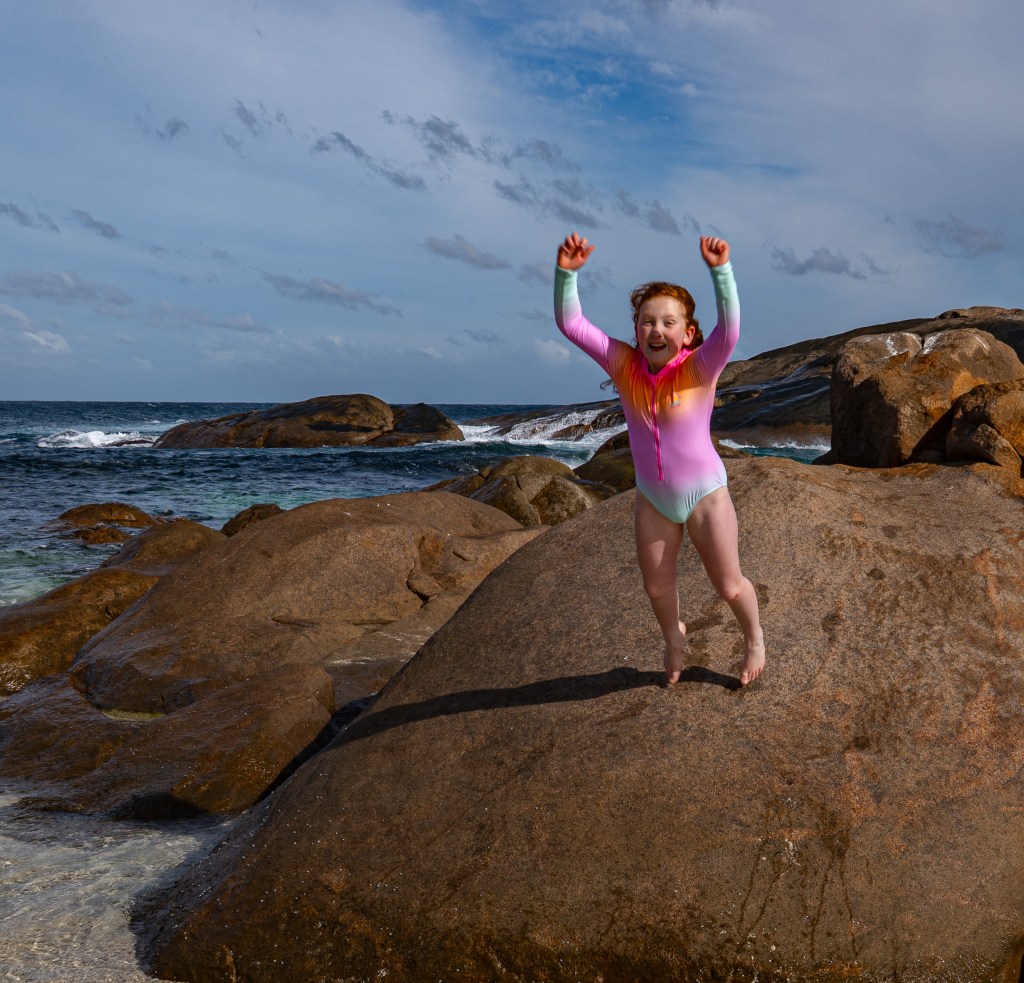
Some of those salt air memories in the making.

Having made a successful return trip to Margs, with the passengers and vehicle in one piece, we lit the fire pit in the garden and settled down to an evening of food, wine and reminiscing.

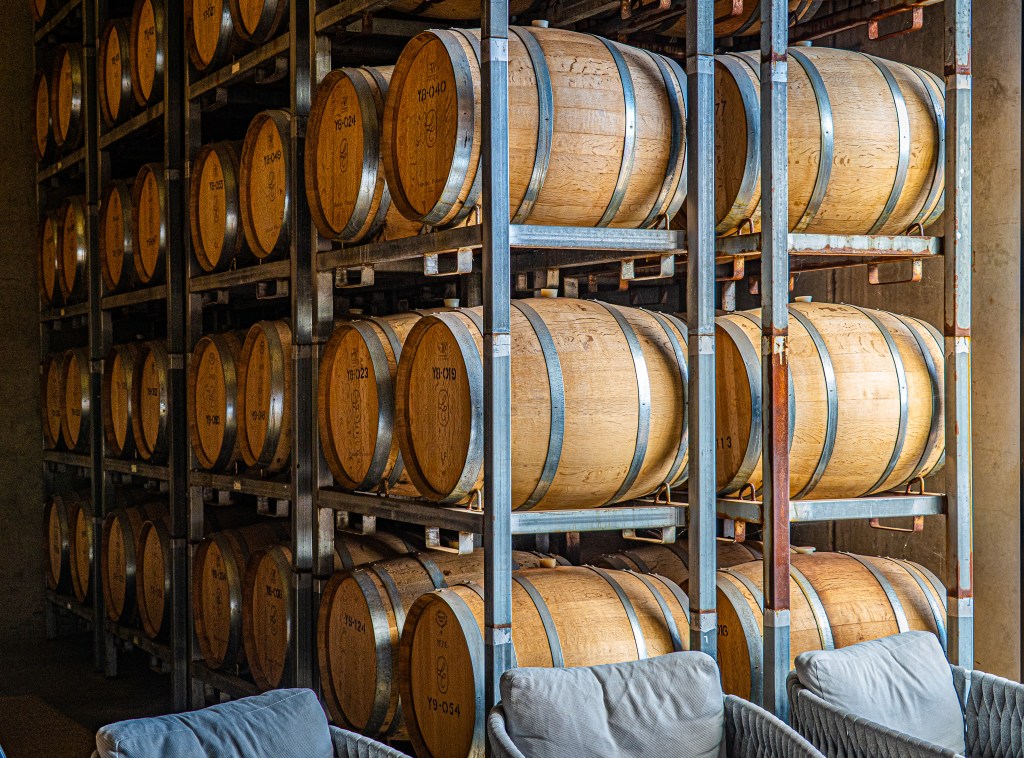
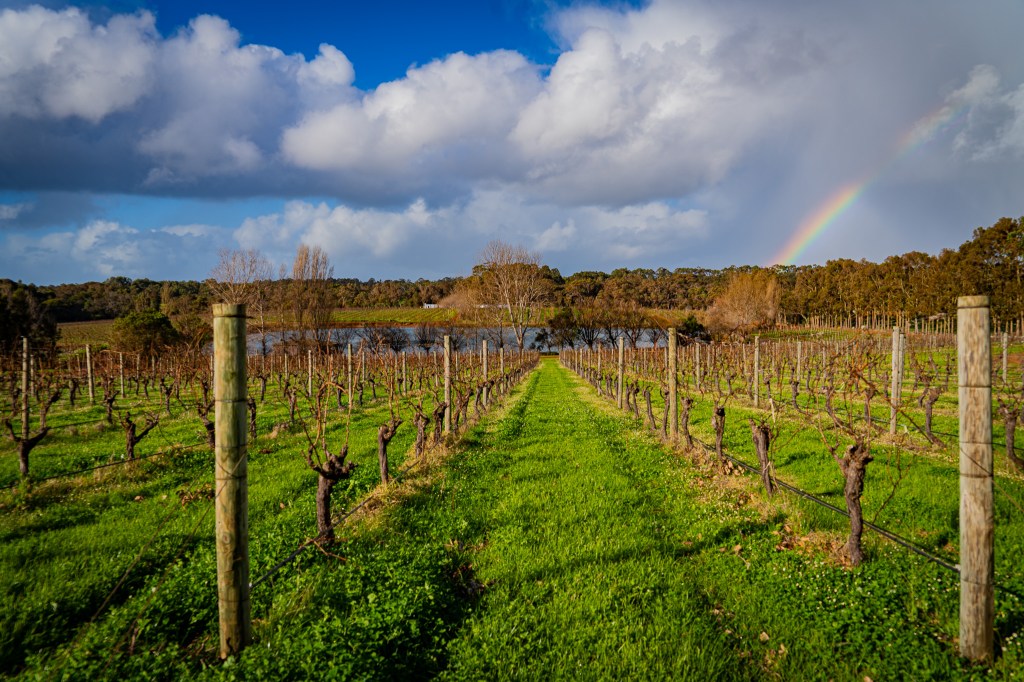
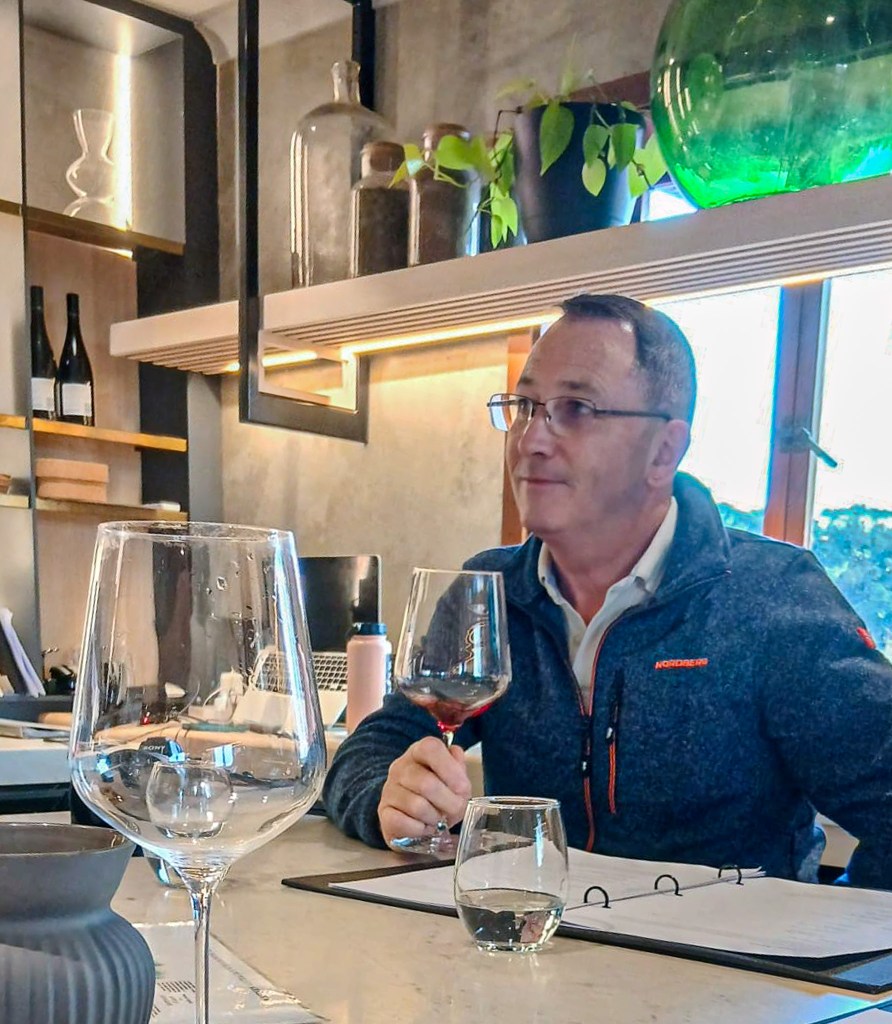
The next day, I was treated to a belated Fathers Day gift-a wine tasting at one of the local wineries, called Cherubino. This was another first for me. I enjoy a glass of wine but drinking it surrounded by racks of wooden barrels, complete with that heady aroma and looking out at the parallel rows of vines where the wine begins its journey, brings a whole other level of appreciation and enjoyment. I am by no means a connoisseur but it was fascinating listening to the Sommelier describe the different grape varieties and how they are influenced by the specific geography of the region. The Margaret River region, especially the southern end, is one of the best examples of a maritime climate in Australia. It experiences the warm westerly breezes from the Indian Ocean and the cooling breezes from the Southern Oceans (officially, it’s all the Indian Ocean but Australians use ‘Southern Oceans’ to describe the part that borders the southern reaches), making it ideal for producing Chardonnay, Sauvignon Blanc and Semillon.

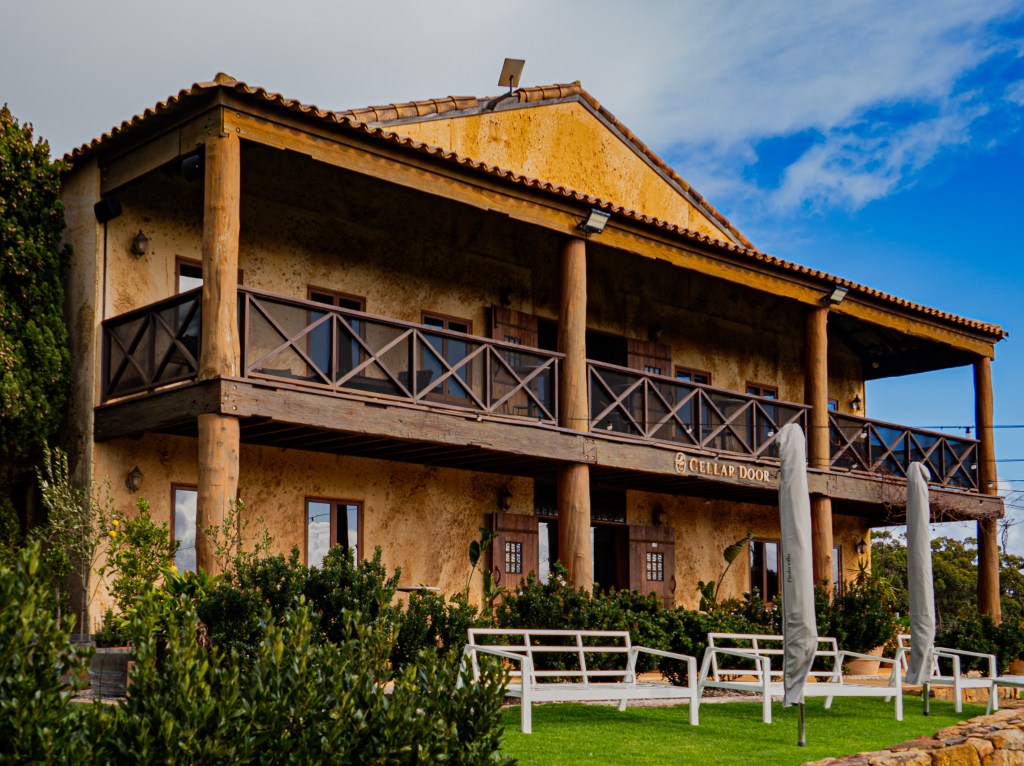
The Cellar Door tasting rooms at Cherubino winery.

Cherubino vineyard slopes gently toward a small lake, ensuring good drainage for the vines.

Father’s Day wine tasting. The perfect excuse for day drinking!

And so, after a short drive and some delicious wood fired pizza at Swings and Roundabouts, it was back to our rental property to begin preparations for the next stage of our adventure-picking up the RV/ motorhome, or as we called it, the ‘Moho’. Not only was this the vehicle that would enable us to discover Western Australia. It would also be our home for the next 18 days and nights. It’s probably accurate to say that it also became the source of some of our most memorable moments, challenges and emotions.

Target date for publishing Part 2: 22nd September 2026

Morning People

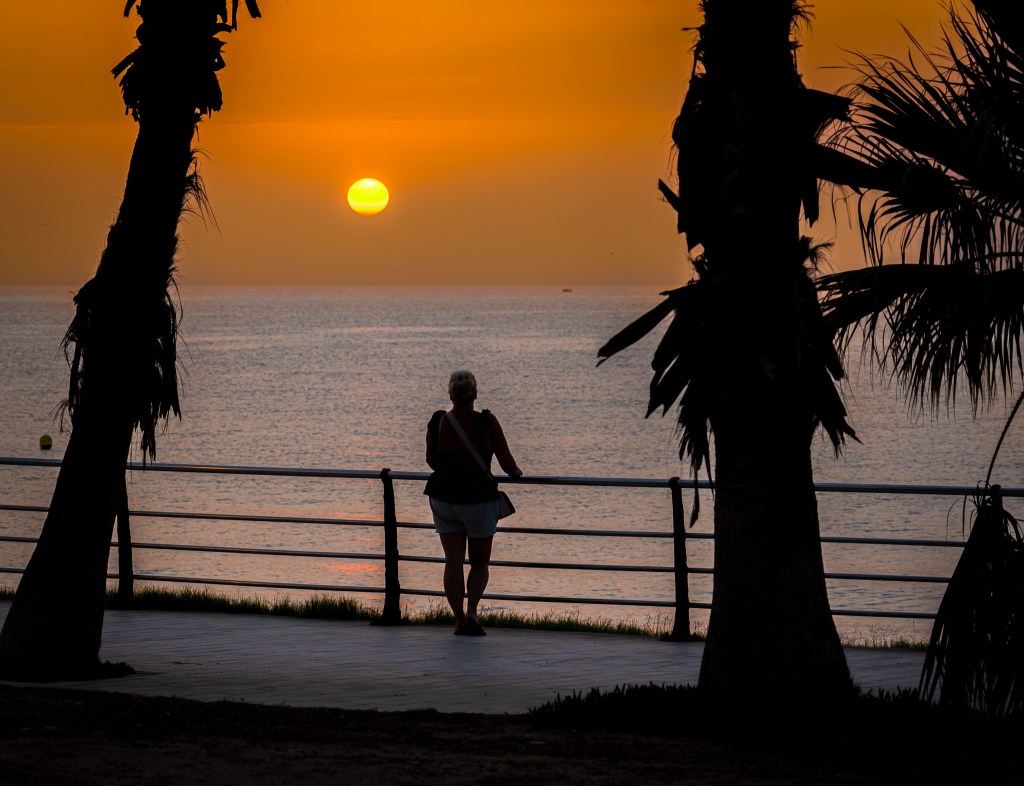
It’s easy to feel that you have a personal connection to the sunrise. Even when you know it can be seen by everyone. And so, when we get up and go to a particular place to enjoy it and hopefully photograph it, I usually find myself with mixed emotions. I see other people (not many) with the same idea as me and feel resentment that they are crashing my party. My time with MY sunrise. On the other hand, I feel reassured that I am not alone in my appreciation of what is arguably the most precious part of the day.

Please meet some of the dawn fraternity…

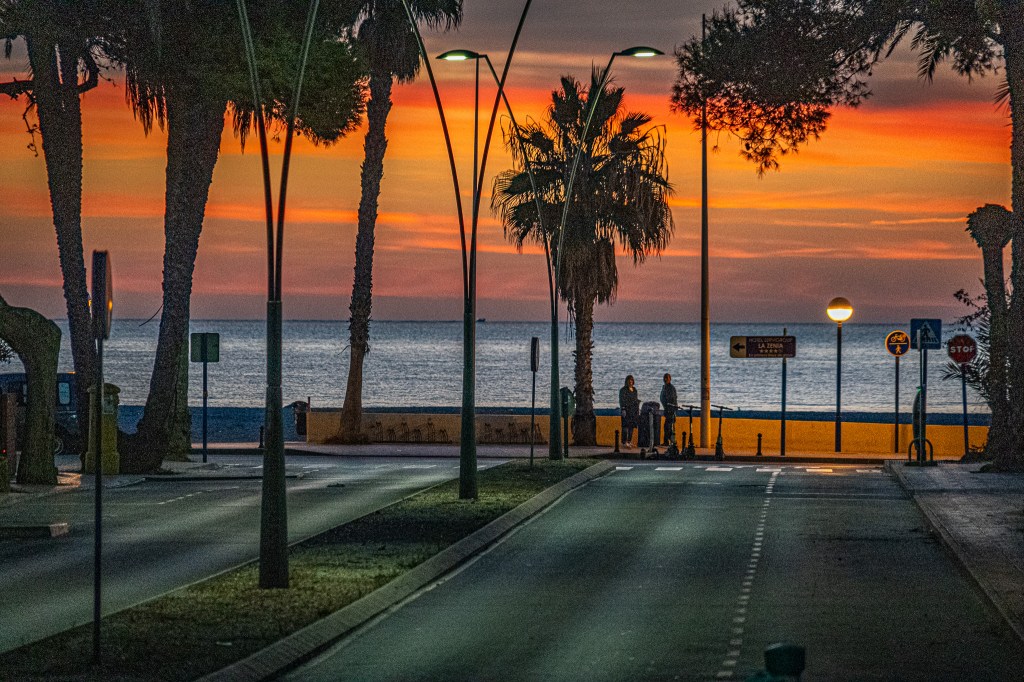
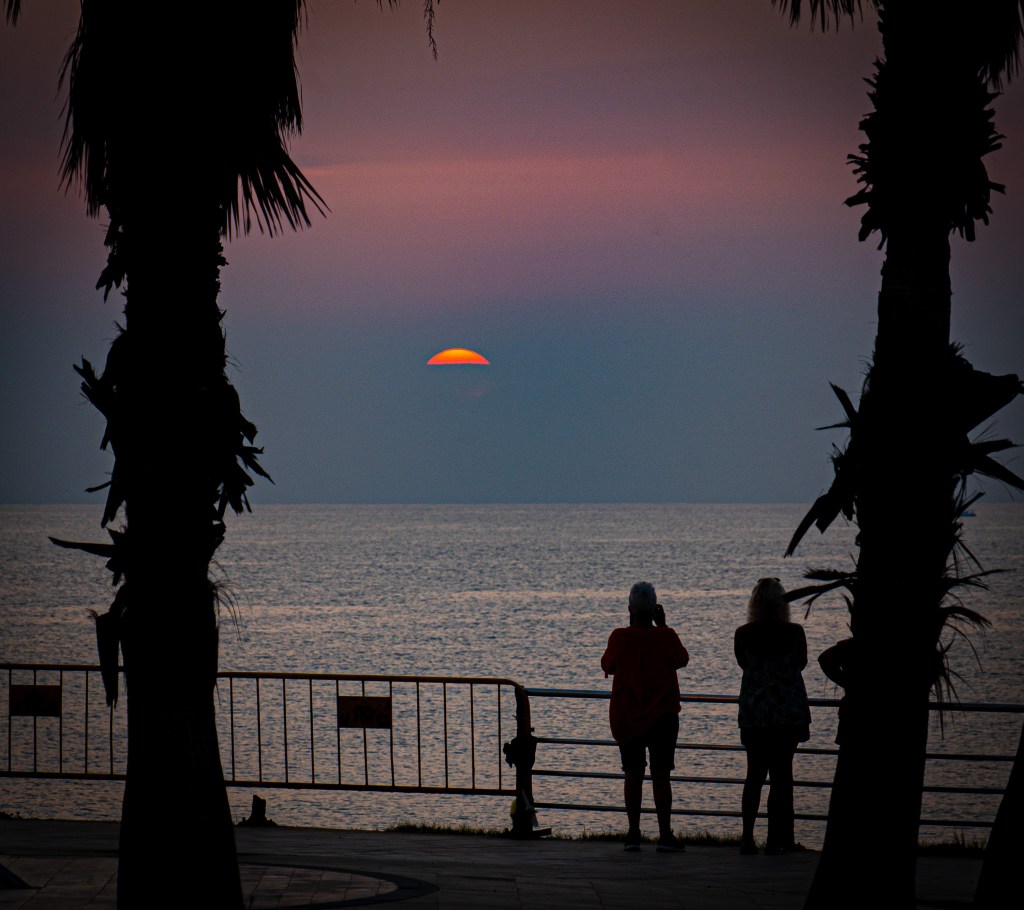
I pulled into this deserted street near La Zenia beach just before sunrise. As I took the photo I couldn’t help but think the couple in the shot resented me. Probably because I was crashing their party. Their time with THEIR sunrise!

Some mornings disappoint because of cloud cover but the uncertainty is half the joy. After a dull start, my long suffering wife was rewarded with an inspiring sunrise at Playa Flamenca, Orihuela Costa.

This is probably one of my favourites. From a technical perspective, it’s nothing special but I think it has a cinematic feel. Something almost nostalgic about it. Playa Flamenca, Orihuela Costa.

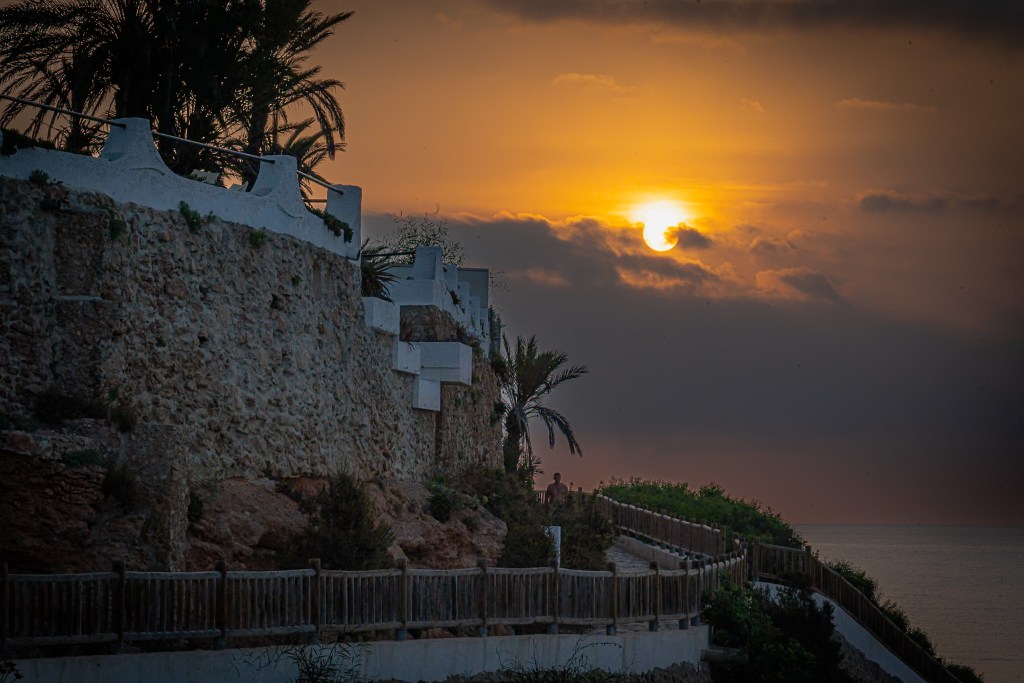
The sun appearing about 10 minutes after sunrise on the coastal path at Cabo Roig. The first jogger of the day coming into shot.

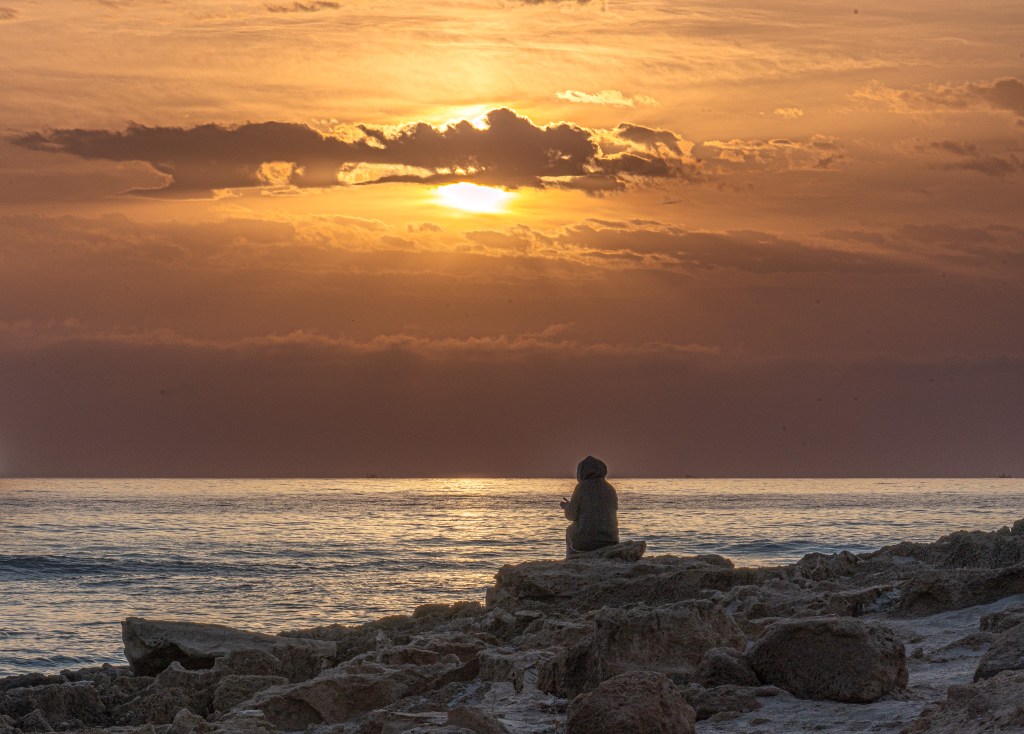
A very cold morning at La Zenia, Orihuela Costa. Alone with her thoughts. This time of day is an opportunity in a frenetic world to find some quiet space.

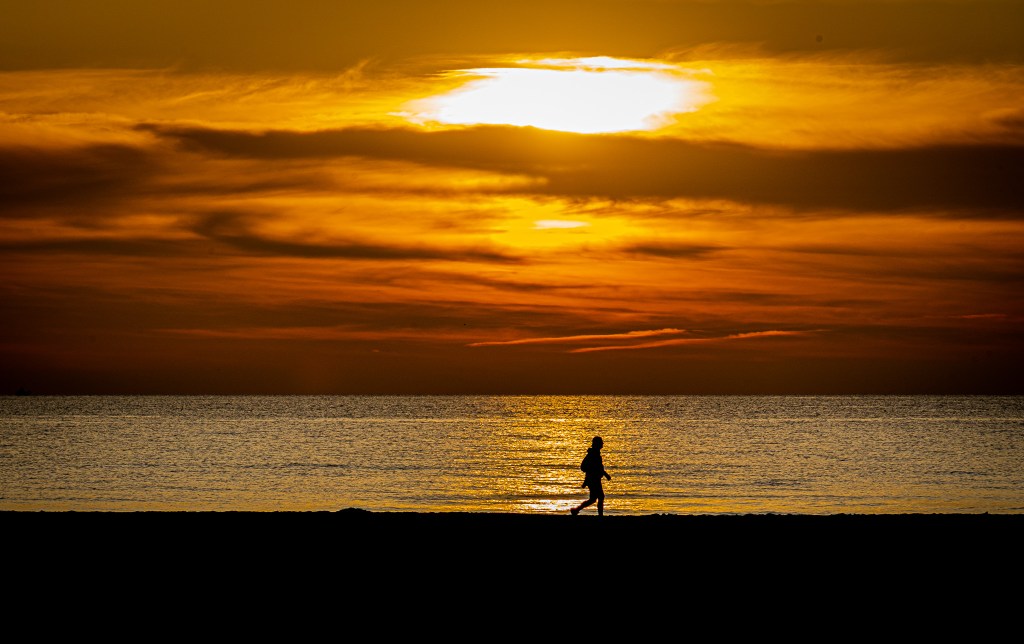
A lone walker on La Zenia beach. Not many better ways to start the day. And depending on the time of year, this is the only time it is possible. In summer, the daytime temperatures and crowds make it a less enjoyable experience.

Partial reveal. That touch of magic when the rising sun slowly appears above the misty horizon at Playa Flamenca. The patience of the expectant watchers paying off.

There is never any interaction between the morning people, apart from the odd polite nod. A hesitancy exists among the multinational strangers. One unsure of the language spoken by the other. But as the sun rises in the sky and reaches an intensity that is impossible to look at, and as the morning people make their way to their various homes to get on with their days, they can be sure of one thing. They all share a common language. One that has no words. Rather, one that consists of a shared wonder and appreciation of the yellow star that sits at the centre of our solar system and the magic it performs every morning.

Wake up and smell the roses. Rose Fair at Lady Dixon Park. July 2025.

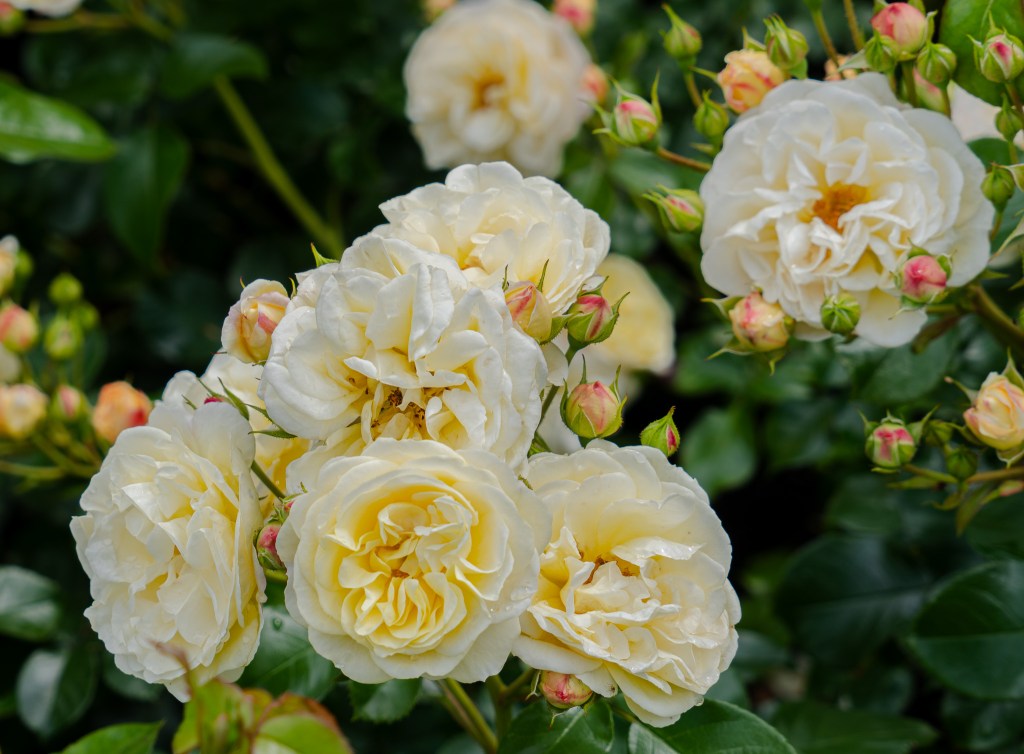
White Gold

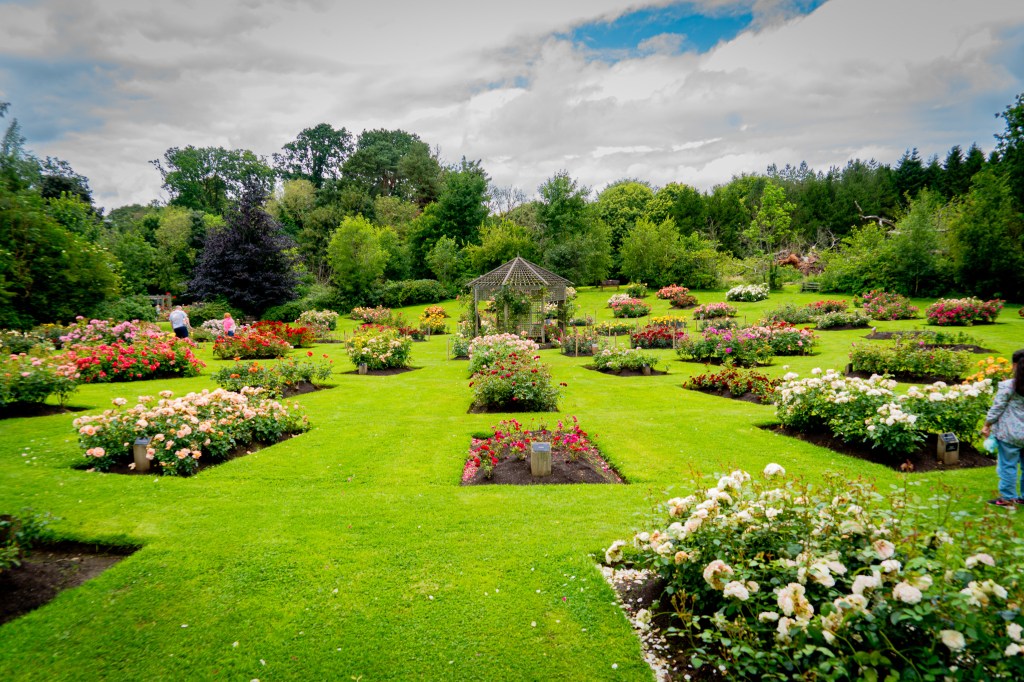
Sir Thomas and Lady Dixon Park is its proper title but the residents of Belfast simply refer to it as Lady Dixon. While the park has a wide range of trees, shrubs and flowers, its most famous attraction is ‘Rose Week’. Roses of all varieties from all over Europe turn the park into a celebration of colour and scent. The rose garden itself, featuring some 20,000 rose bushes, was created almost sixty years ago but the Rose Week event began in 1975 and ran until 2020. In the post-COVID era it was rebranded as the Summer Rose Fair and now takes place over a weekend in July but many people still know it as ‘Rose week’. For the dedicated team of gardeners, however, preparations begin long before that.

Welcome to this insight into one of Belfast’s unique events.

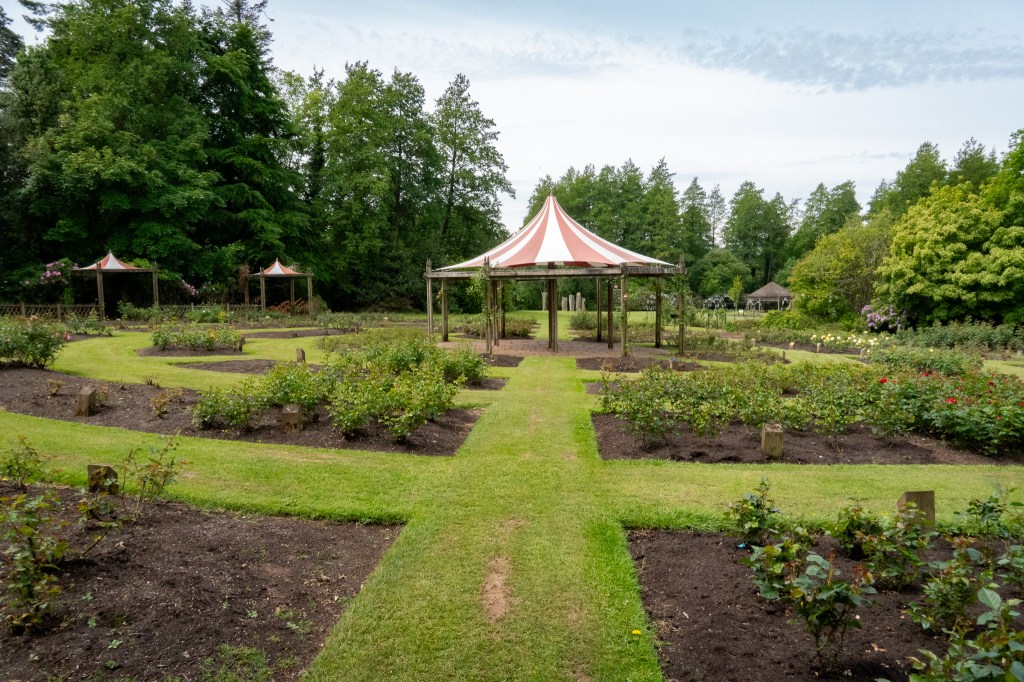
Late May and already some of the early blooms have arrived. Each bed is meticulously edged with hand shears.

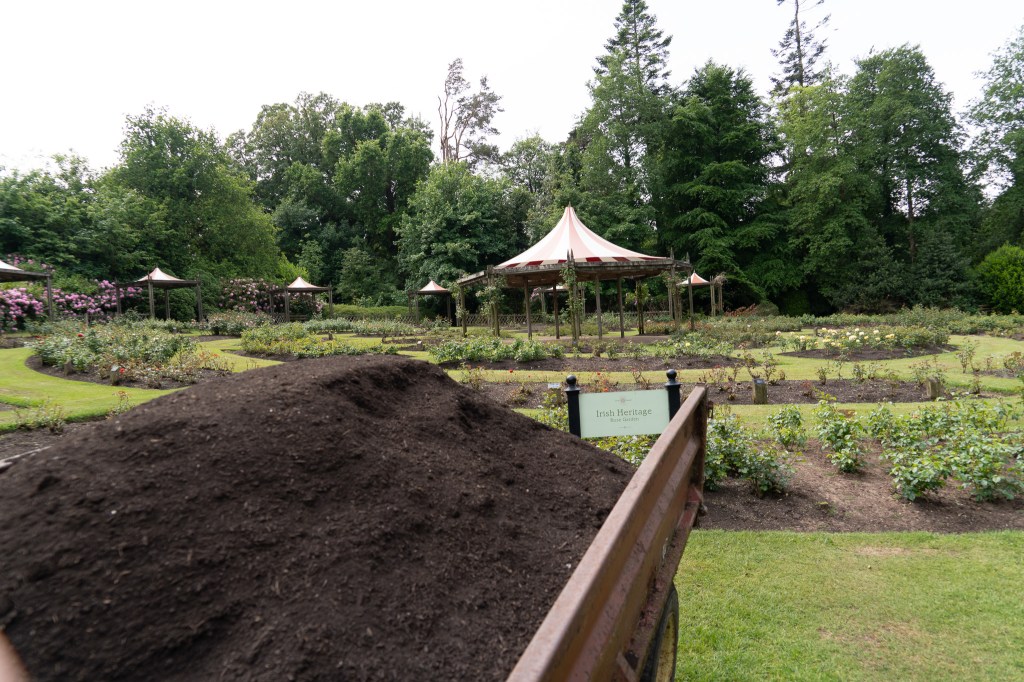
Trailer loads of mulch being delivered to one of the many rose gardens. The mulch acts as a weed suppressant and is manually shovelled by the gardeners into the beds.

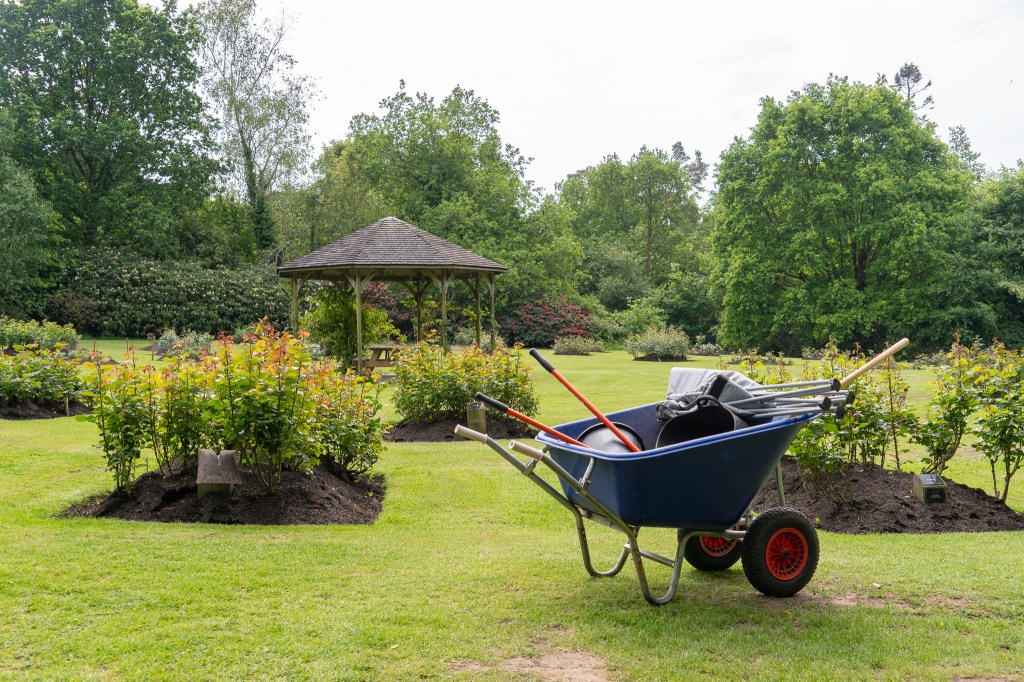
While mechanisation has made life easier for gardeners, the tools of the trade in the rose garden haven’t changed much over the decades. Here, elbow grease, skill, stamina and dedication are the main requirements.

Mulching complete. The grass around the beds showing the wear and tear of work boots. Time for reseeding.

Soon the green foliage will be lost among a blanket of colour.

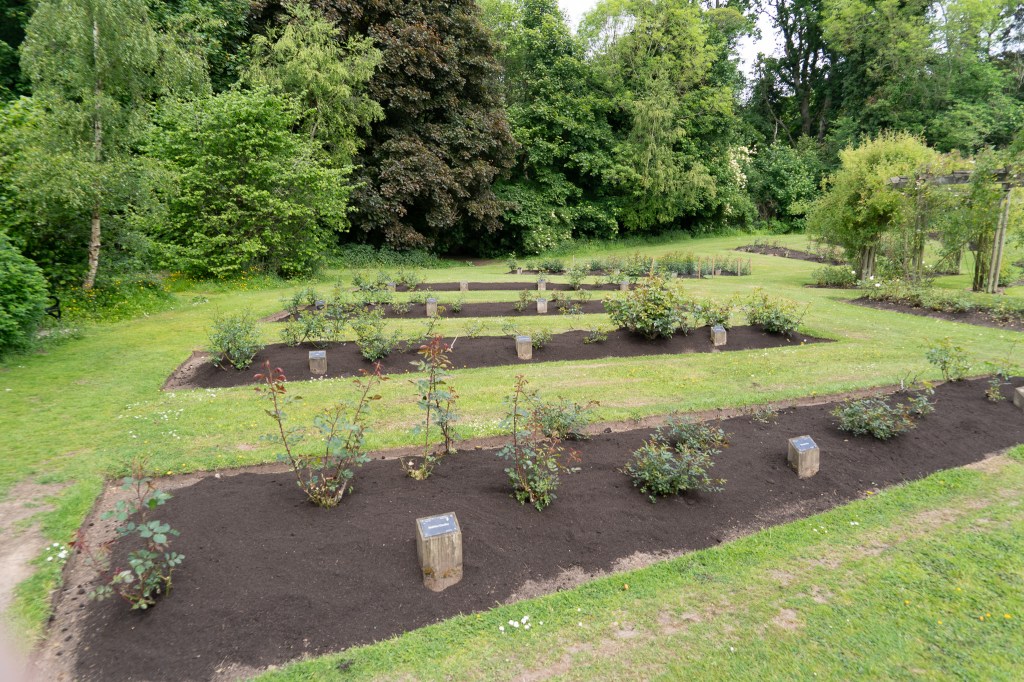
Rotation of beds. Visiting the rose gardens year after year, it appears to the untrained eye that the layout of the beds remains unchanged. However, every September 30 beds are seeded over with grass seed and 30 new ones created as part of a 5 year rotation scheme. This means that no roses are growing in the same soil for more than 5 years. This optimises nutrient availability and minimises risk from disease. This is a specialised job that requires exacting skills in measuring and marking out to ensure the symmetry of the gardens is unaffected.

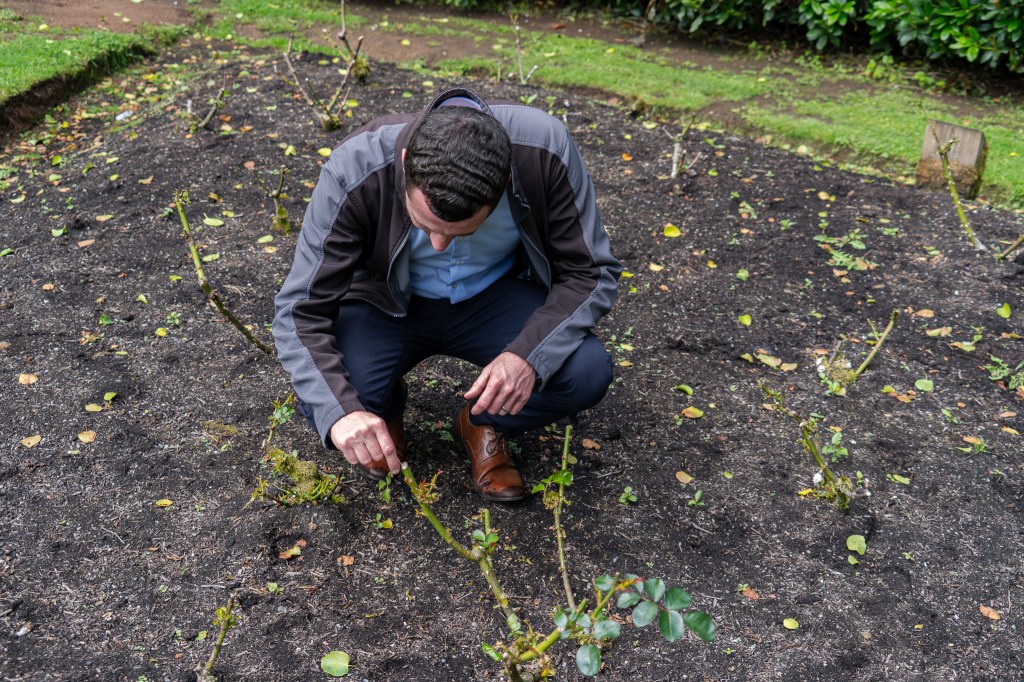
Pest Control. A big part of summer maintenance is keeping on top of diseases and pests. While horticultural expertise is employed to tackle disease, there is a less obvious challenge for the team of gardeners who look after the roses. Rabbits!

Diarmaid, the manager responsible for the rose gardens, surveys the scant remains of what would have been a bed of roses.

It seems the pesky bunnies love nothing more than a feast of fresh young leaves of the rose variety. Controlling the rabbit population is not an exact science and any methods that result in their demise could be controversial. It’s a considerable challenge because the hedges and shrubs that act as an effective wind break for the roses, also provide a convenient cover from where the rabbits launch their attacks.

Timing is everything. We are all too aware of the impact of climate change and how it affects plants and flowers. Early blooms caused by mild winters. Flowers killed by late frosts etc. Roses are no different and this is an ever present concern for the team at Lady Dixon. Their year’s work culminates in a single weekend in July. Imagine how demoralising it would be to have the roses bloom a month before Rose Fair and for the thousands of visitors to miss the spectacle. This year’s Rose Fair was brought forward by a fortnight and that decision paid off. While there will always be many early or late blooms, the gardens were in prime condition for the public to enjoy.

A treat for the senses. Vibrant colours and heady scents were the order of the day at the Rose Fair.

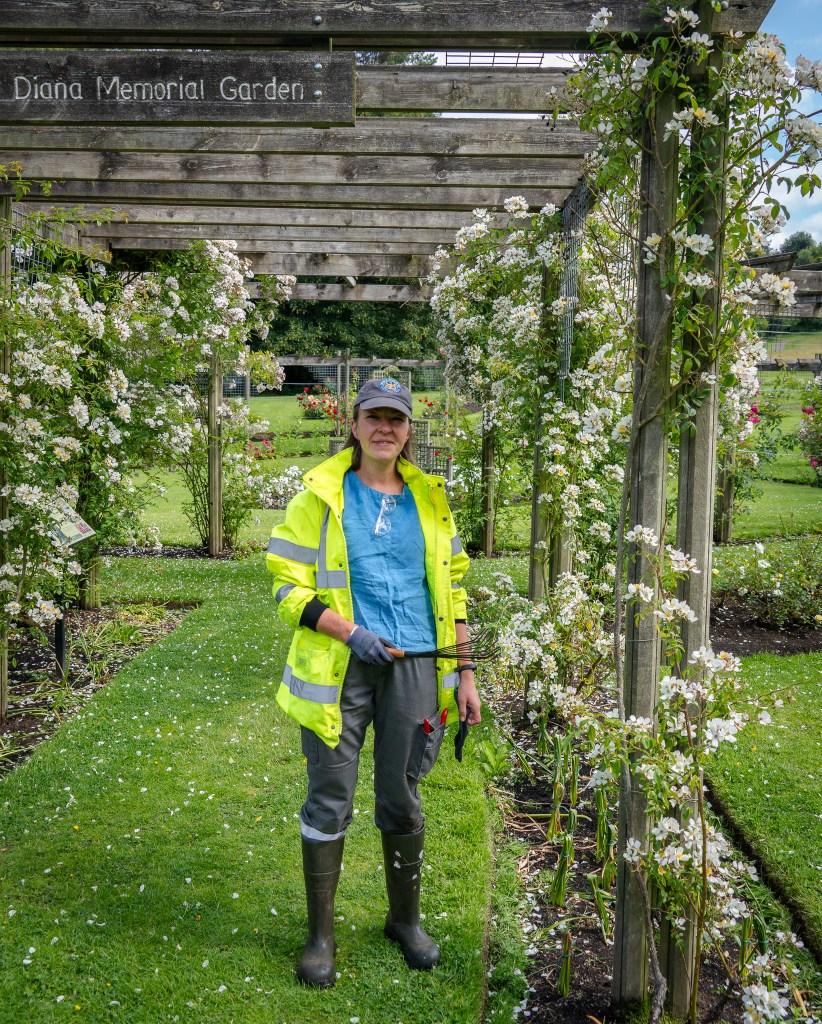
Michaela, who tends the Diana Memorial Garden. The rose arch was in full bloom two weeks before the Rose Fair but still looked great on the day. She has worked all over Europe and the UK but says this is her dream job.

Orlaith, getting to grips with the weeds a couple of weeks before the Rose Fair. It’s a relentless battle and one not always appreciated by us casual observers.

A carpet of petals adds to the sense of occasion.

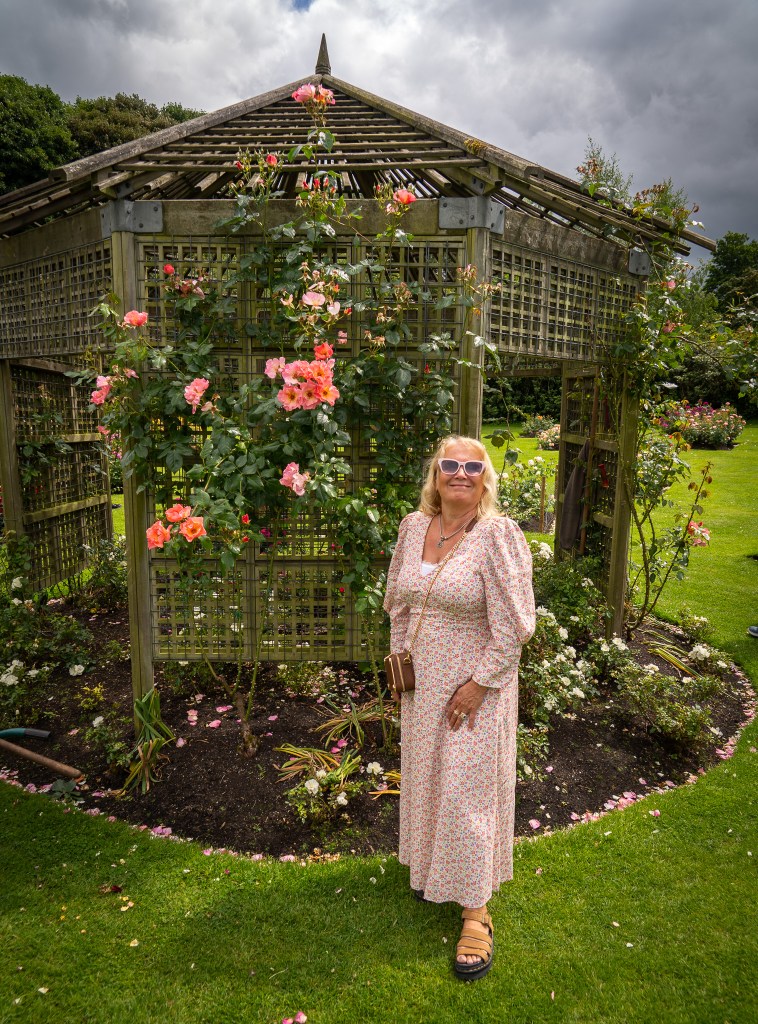
A Rosie among the roses. Enjoying Rose Fair and blending in nicely.

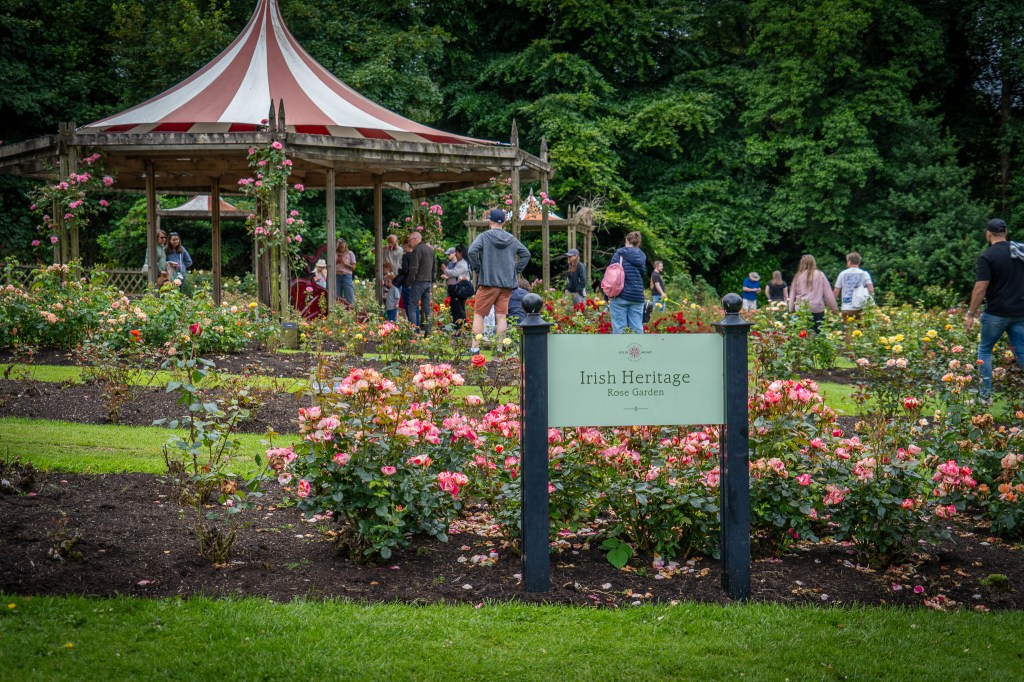
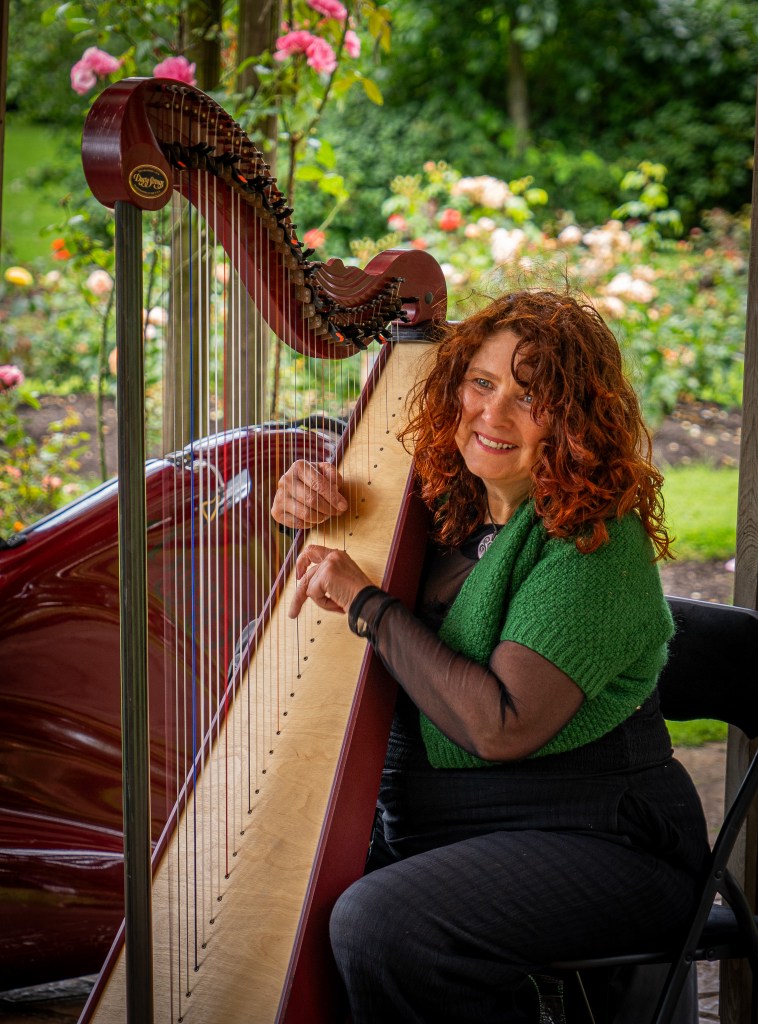
A bit of culture in the Irish Heritage Garden. There’s something about ‘Danny Boy’ when it’s played in such a setting.

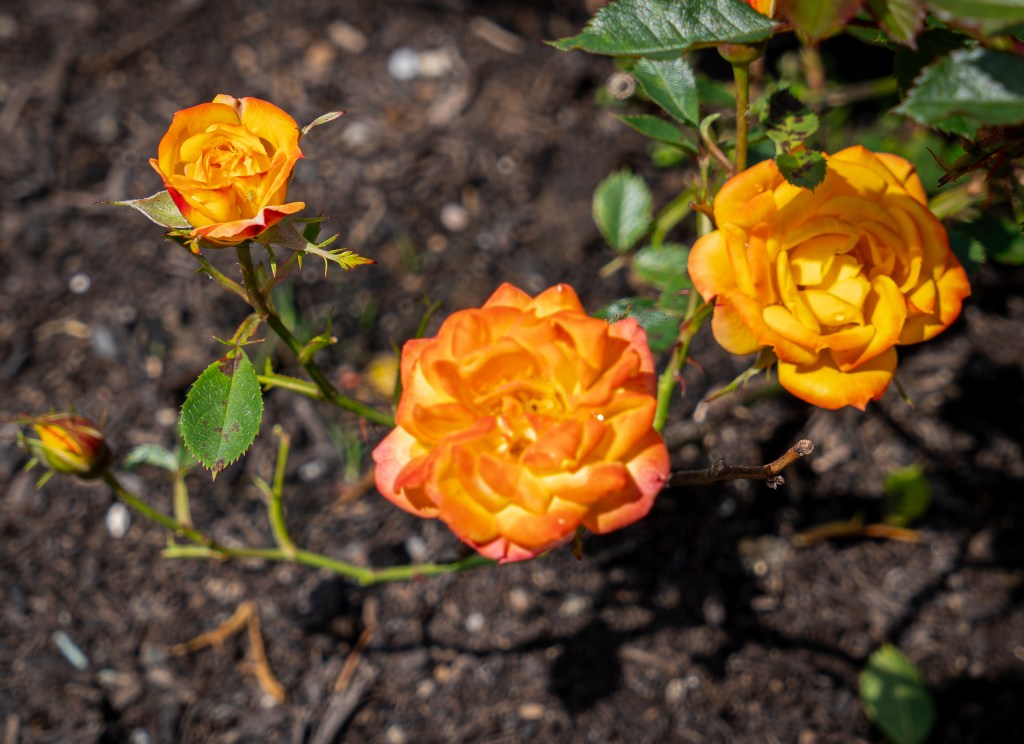
A rose by any other name. I always considered roses old fashioned. Maybe that’s why in my latter years, I have developed an appreciation for them. Or maybe only a mature mind can truly ‘see’ them. For me, the complexity of their structure is what captures my attention initially, followed by their colour and scent. A few of my favourites (in addition to White Gold above)…

Irish Eyes, whose colours evolve as the petals develop.

Summer of Love, which reminded me of Clove Rock, the hard boiled sweets that kept a generation of dentists in a job.

Light Fantastic. It just yells ‘Summer’.

Honey Bee Mine. A big hit this year with gardeners and visitors alike. And of course, bees!

The fragrant section is an assault on the senses and will evoke different memories for different people.

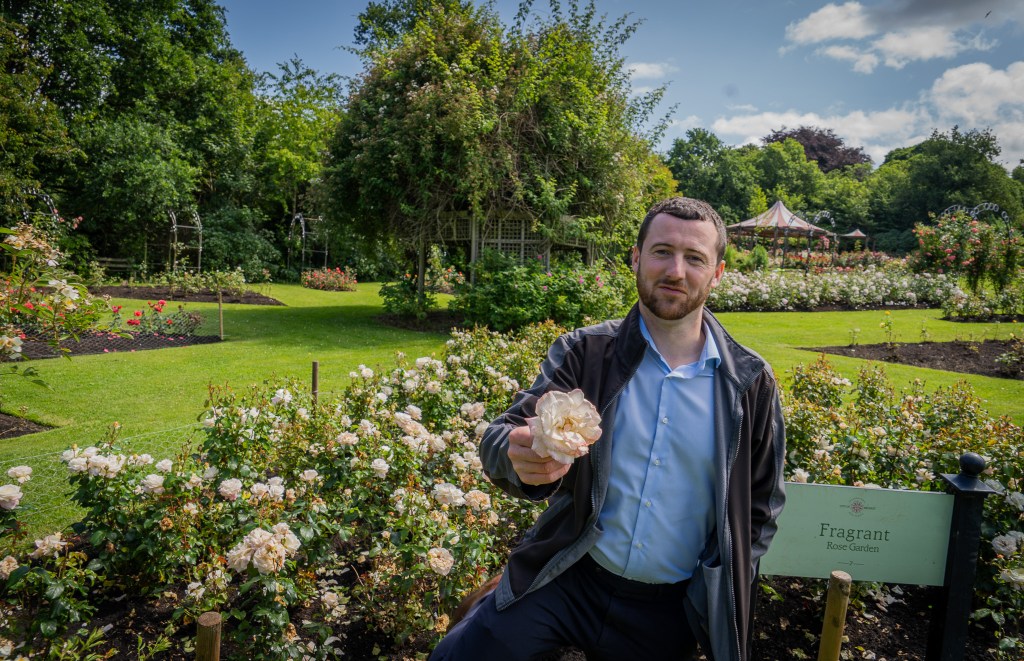
A rare photo of the main man, Diarmaid, serving up a fragrant treat. I’m not sure what the name of this rose was but i think its official score was 8.5 out of 10.

Diarmaid, 35 years old, began his horticultural career 19 years ago as an apprentice gardener. I asked him about any changes that he had noticed over the years and what he considers the main challenges ahead? He explained that many of the roses, especially from mainland Europe, are grown from cuttings instead of traditional propagation methods where buds are grafted onto an established root stock. The combination of the newer method and selective breeding to make roses disease resistant have had two regrettable consequences. The roses don’t live as long and their scent is diluted.

The Summer Rose Fair has reached a pivotal point in its history. Due to the impact of Brexit-related difficulties, such as increased compliance documentation for plant imports, there has been a dramatic decrease in the variety and quantity of roses coming from Europe. As Diarmaid explains, there are still European entries for the International Rose Trials, which are an integral part of the rose garden. Growers from all over Europe are still keen to achieve recognition and reward for their roses but they only send small numbers for the judges to consider. Post competition, they are reluctant to export in bulk.

In addition to the European issue, he explained that the supply of roses from domestic growers on the island of Ireland is in a precarious position. There is one major grower in the North and one in the South. Due to retirement and a lack of successors, this source of roses is also at risk of disappearing.

COVID arguably posed the biggest threat to the existence of the rose gardens. Staff absence and changes in working practices, as well as attitudes to work, presented unprecedented challenges. There is currently one gardener per rose garden but for a protracted period of months in 2020, the roses were tended by one gardener-Diarmaid. For him this meant pruning over 20,000 rose bushes with an average of 10 cuts per plant. Yes, 200,000 cuts! An impossible expectation and unsustainable situation and one which almost forced him to reconsider his career. His exceptional work ethic and pride in his job prevailed and he now manages a fantastic team who are dedicated to their craft and the preservation of the rose gardens. If the demise of the rose gardens at Lady Dixon is brought about by a lack of growers/suppliers, it will be an unfortunate outcome for him and his colleagues whose commitment and passion have maintained this jewel on the edge of Belfast that thousands of its citizens enjoy every year.

Thank you to all the team who took time to talk to me over the last few weeks. You are a credit to yourselves and the people of Belfast. And a special thanks to Diarmaid for sacrificing his lunch break to share his knowledge with me. If there are any inaccuracies in this piece, you can be sure they are a result of my poor listening skills. I should also declare at this stage that he probably felt that he didn’t have any choice but to cooperate. You see, I have known him for all of his 35 years because he is my son! Nice one, Bernard (private joke).