Pals. A Medieval Gem.

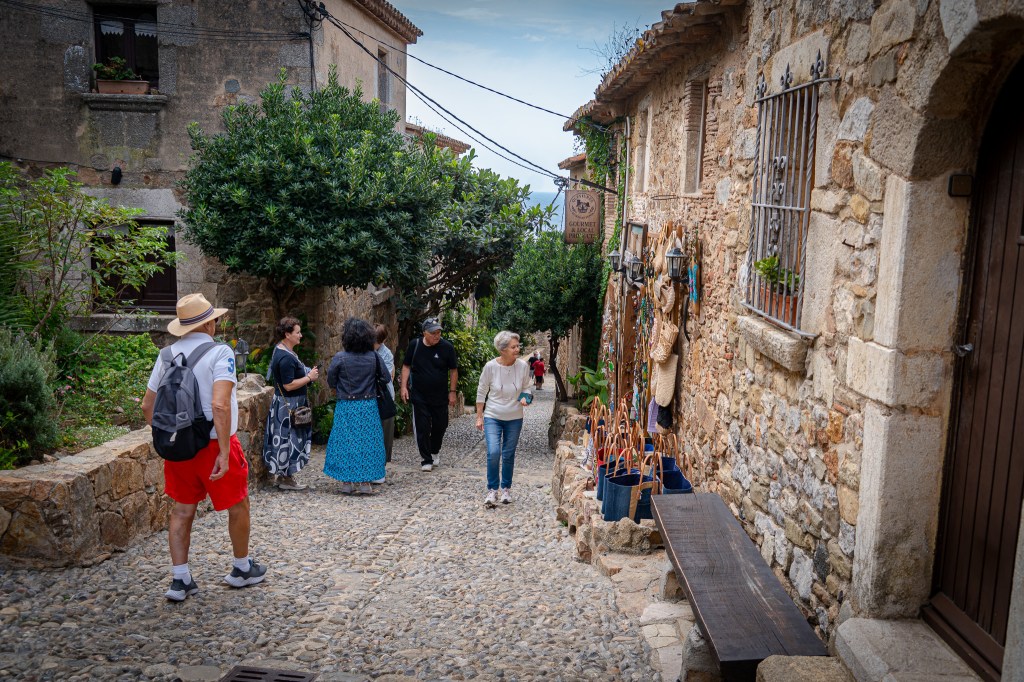
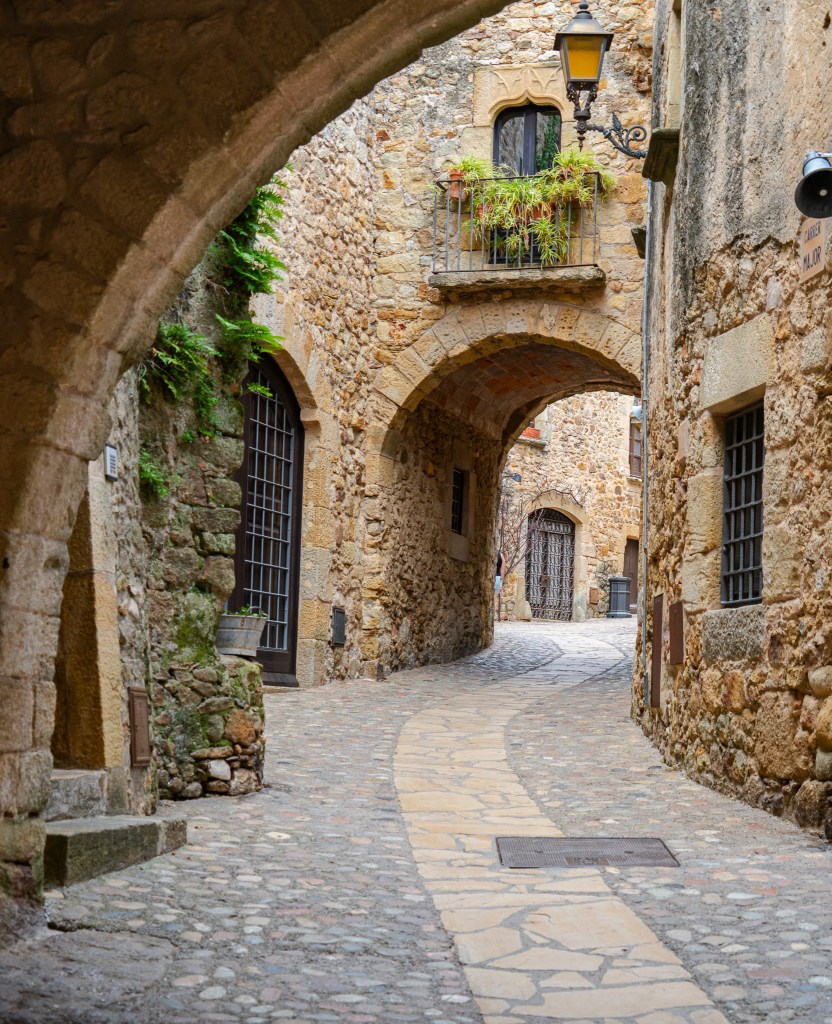
Carrer Major (‘Main Street’ in the Catalan language). Not your average Main Street.

The medieval town of Pals is less than an hour’s drive from the city of Girona but in some respects, it is a world away. Its narrow, cobbled streets and stone facades transport the traveller to another time.
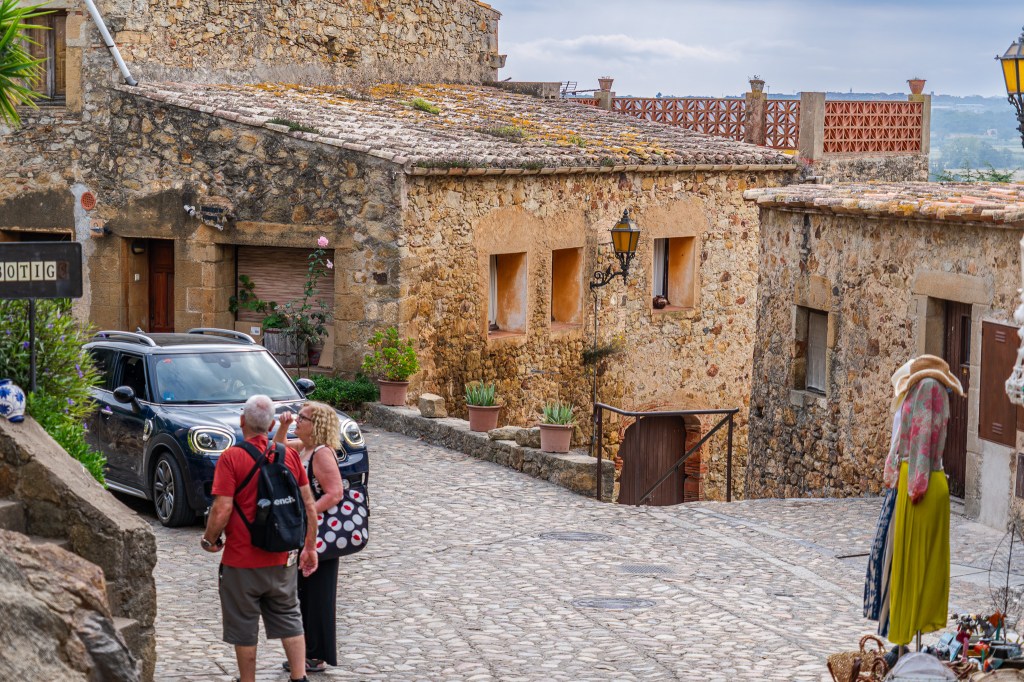
The weathered stone walls and lichen encrusted rooftops of Pals.

We had seen photographs and were looking forward to seeing it for ourselves. Our guide, however, seemed to be downplaying the benefit of spending our allotted time (3 hours) in the town. She was zealously attempting to sell us a trip to a nearby rice field and winemaker’s establishment. We resisted her efforts and spent a really enjoyable afternoon in this enchanted place, strolling through its walkways at a leisurely pace, soaking up the atmosphere and imagining its past.
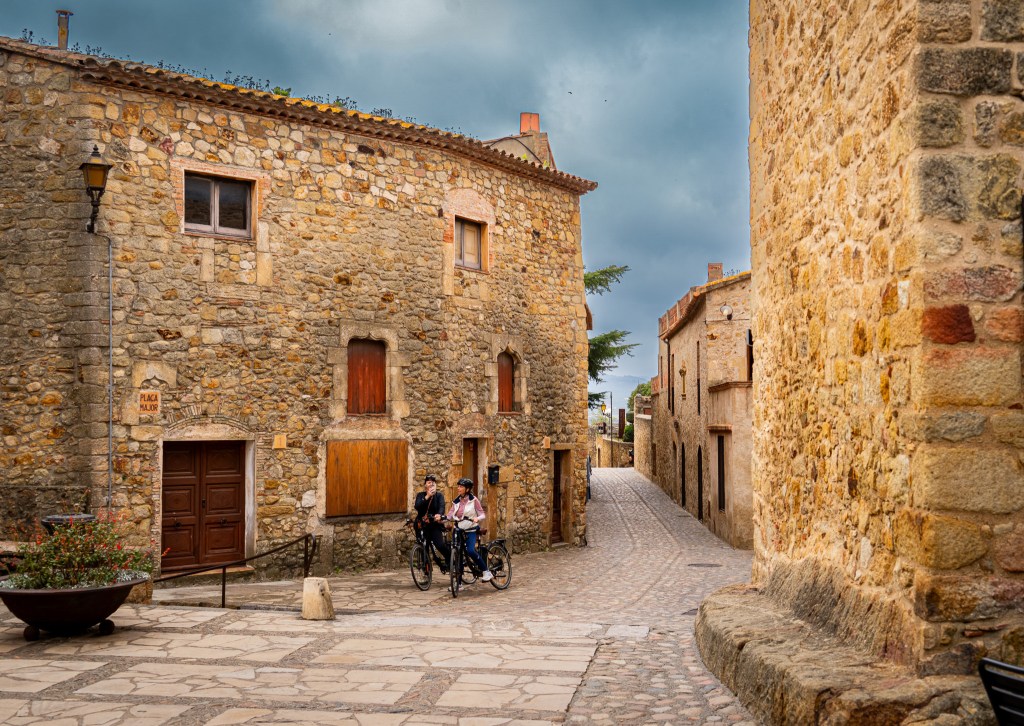
Cyclists catching their breath. Cycling here could be challenging for those with below average fitness.
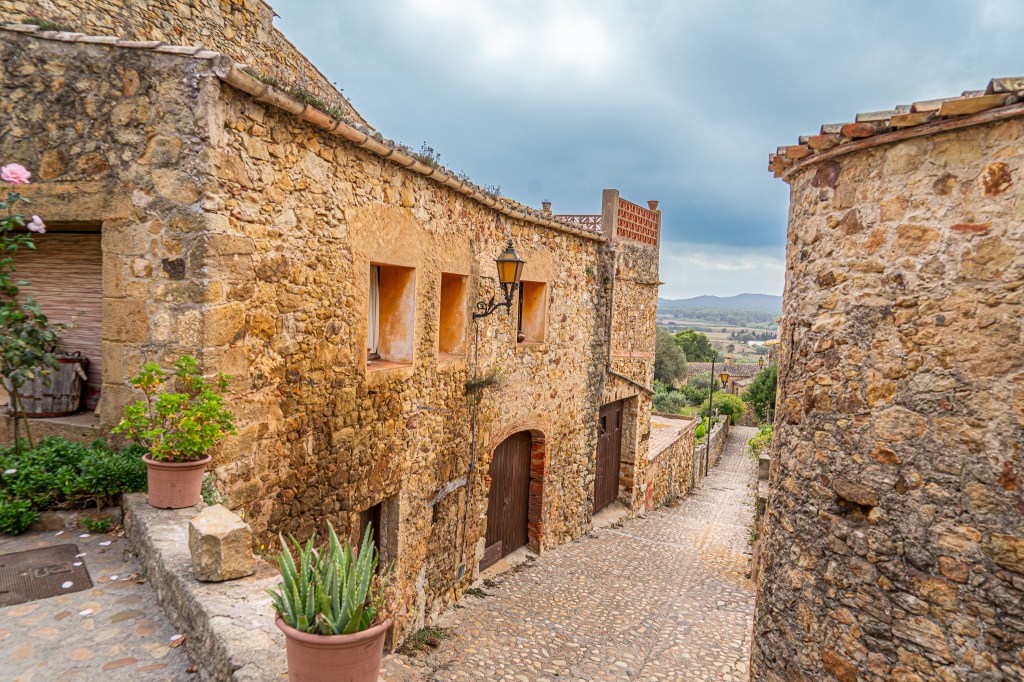
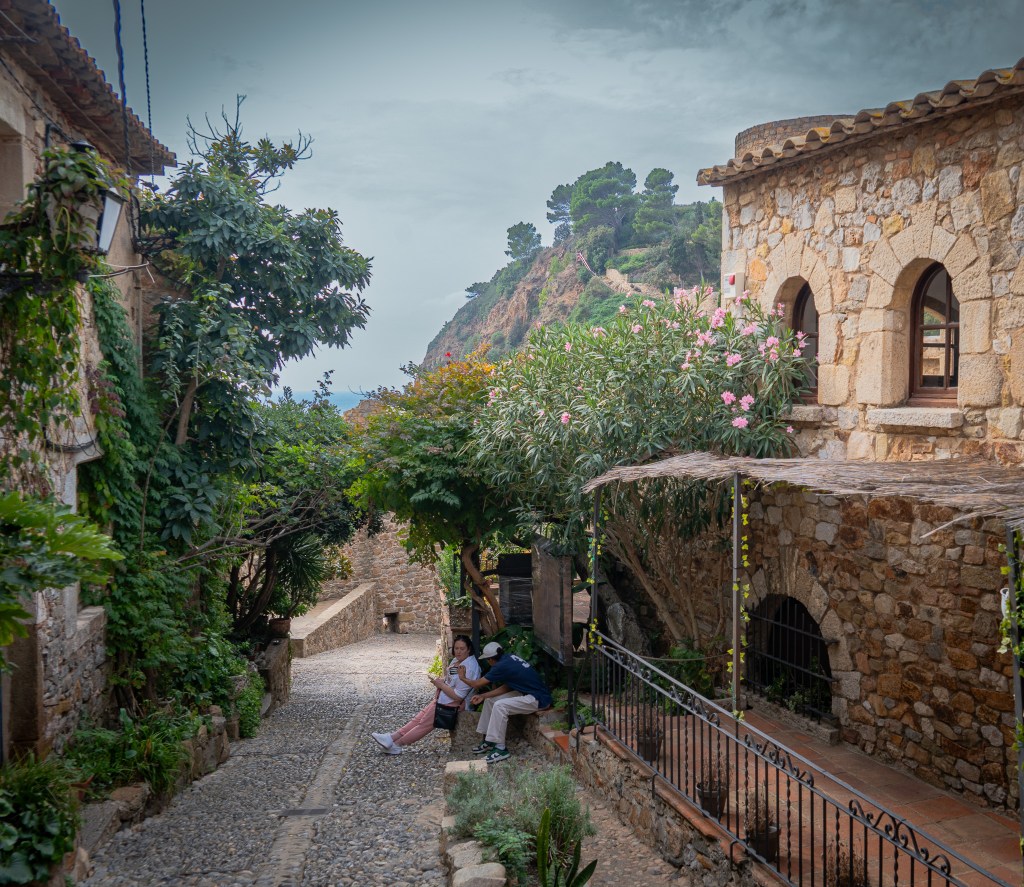
Quiet cobbled streets offering new discoveries to the curious visitors.
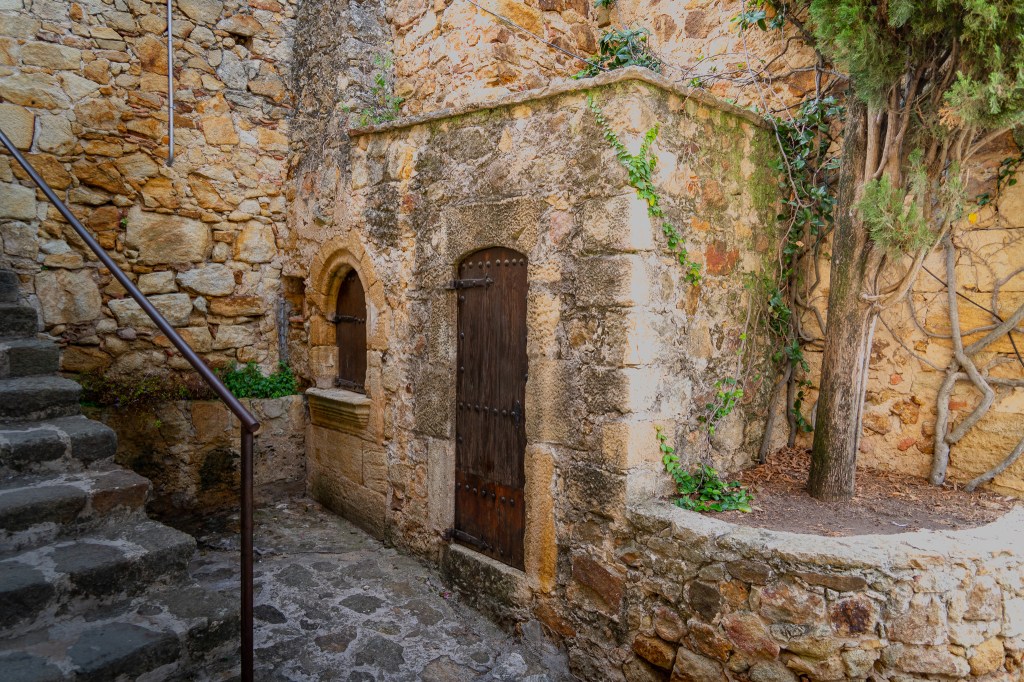
A secluded nook for quiet contemplation.

The village has been so well restored, you could be forgiven for thinking it was the creation of a movie maker who had replicated a medieval village to exacting standards. Come to think of it, if memory serves me well, this was one of the few locations that didn’t boast an appearance in Game of Thrones!
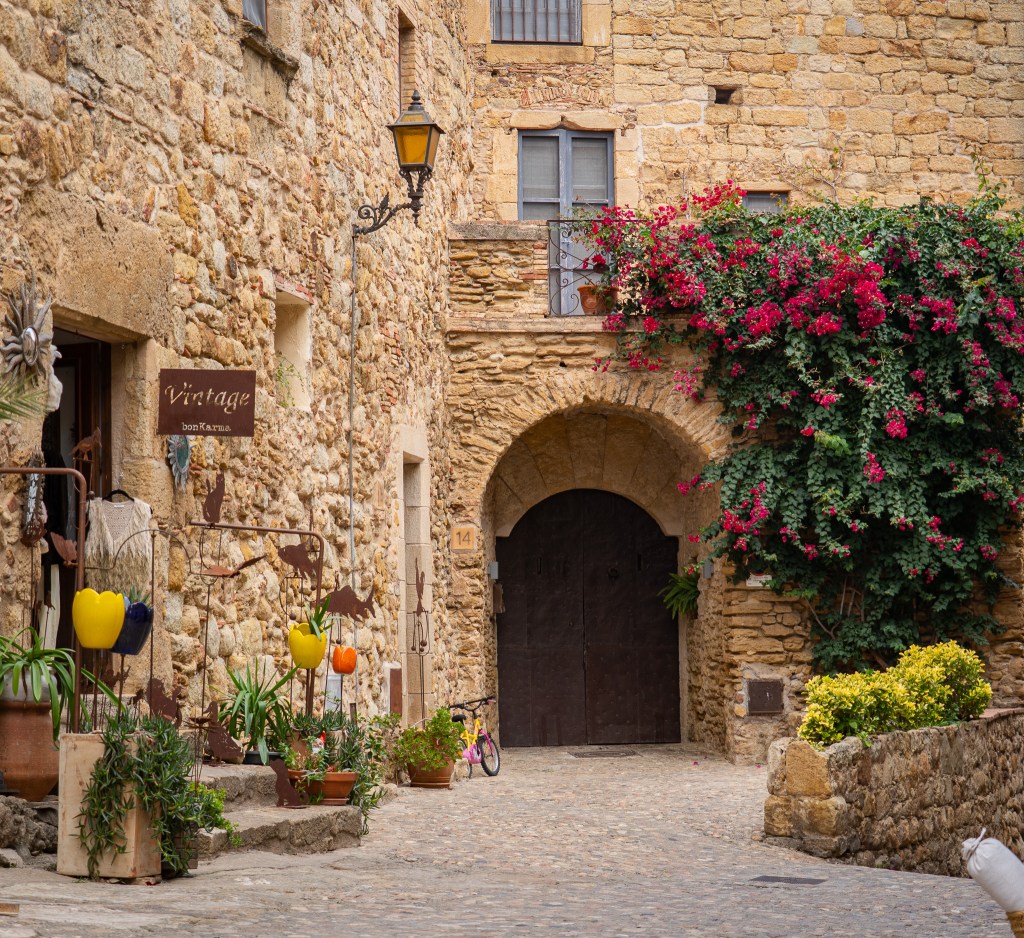
Discreet doorways and bougainvillea providing shade and colour.
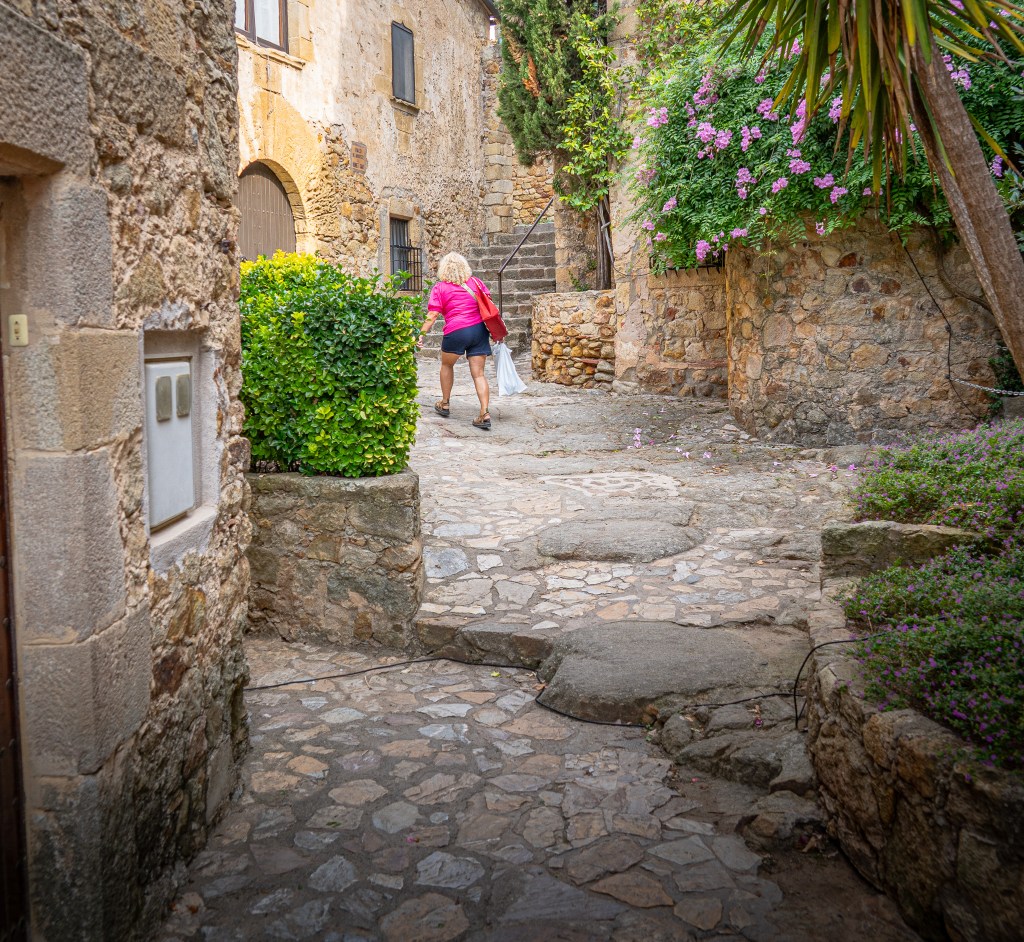
An off season visit rewards the traveller with empty ‘streets’.
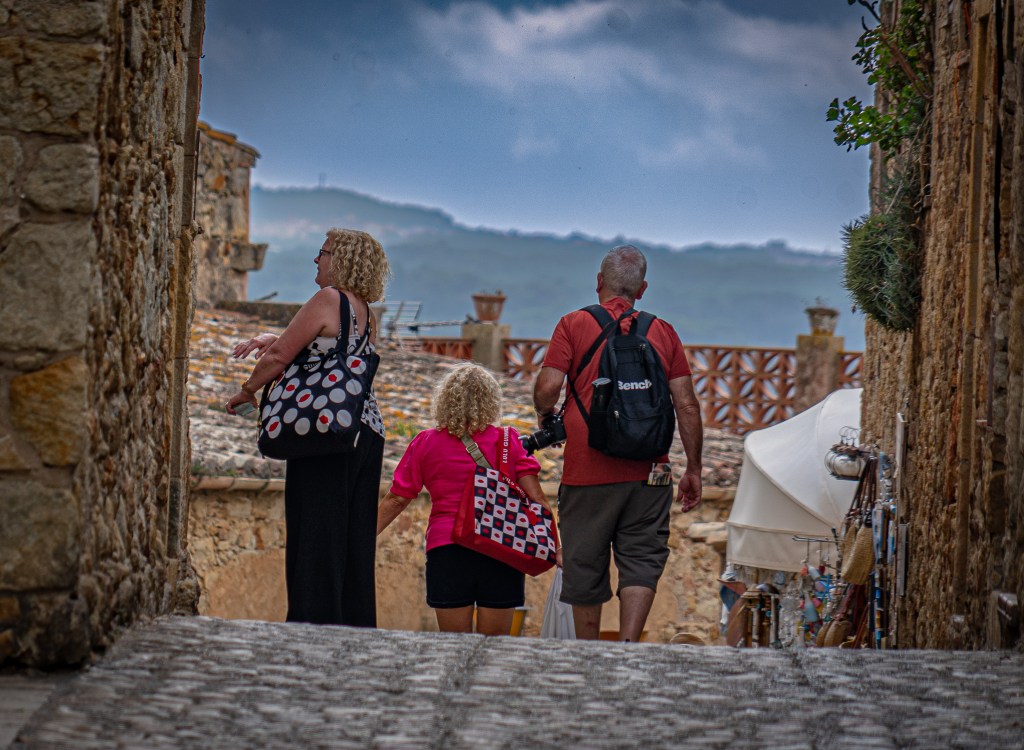
Some of them steep.
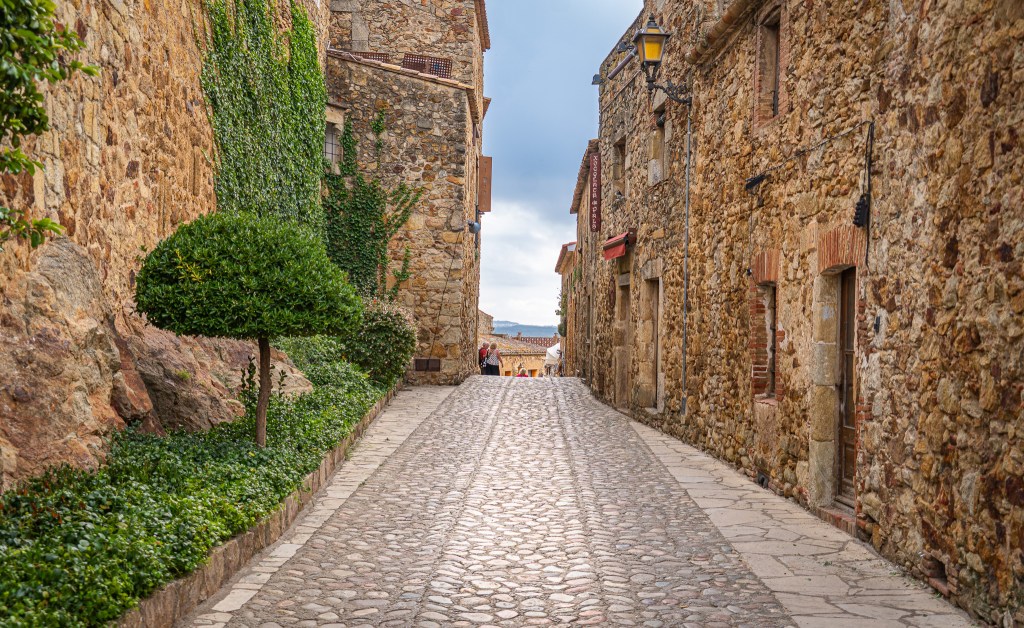
All of them memorable.

The narrow streets wind their way gradually upwards until you reach the top of the hill on which the town is perched. There, you can stroll around the walls with their square towers at four corners, dating back to the 4th century.
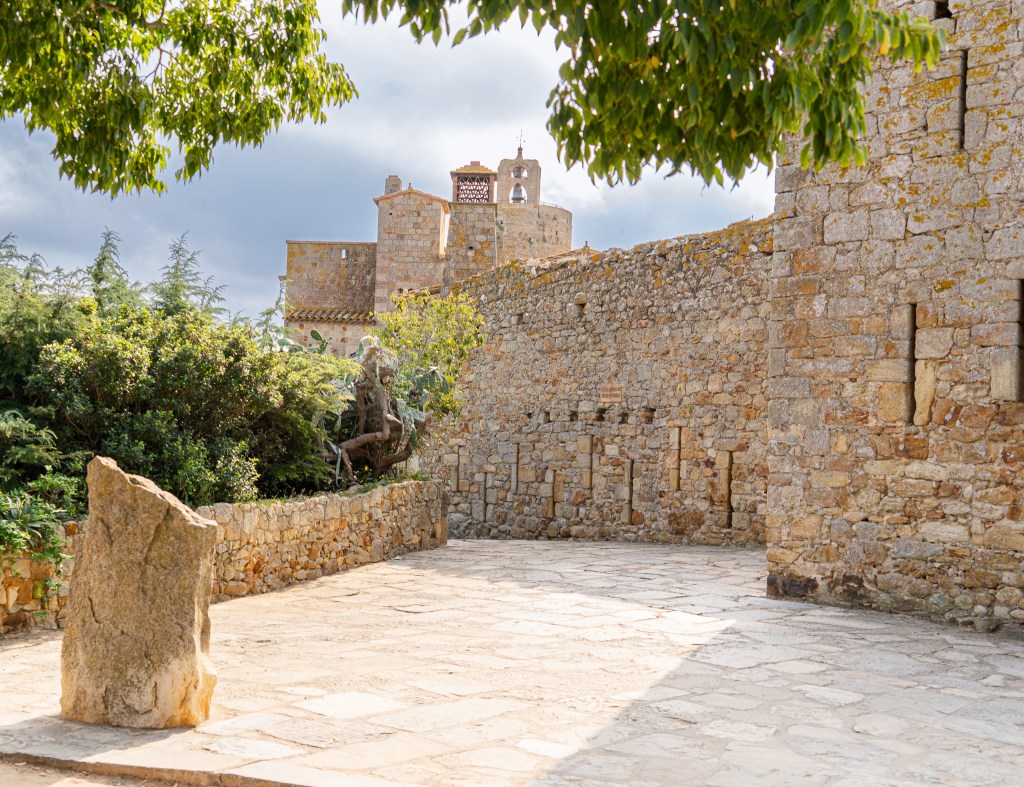
The ancient walls of Pals.

You can also visit the Romanesque church of Sant Pere or climb (for a small fee of 3 or 4 euro) to the top of the Torre de les Hores (Tower of the Hours), a clock tower built between the 11th and 13th centuries. From the top of the tower, there are expansive views of the town and the plains of its hinterland.
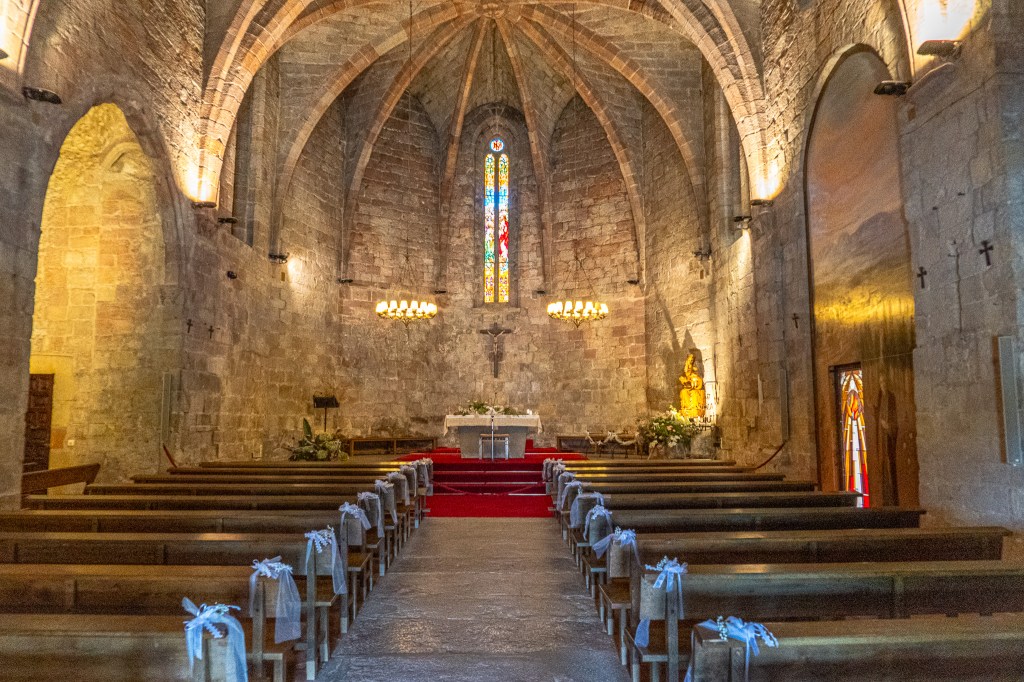
The modest church of Sant Pere.
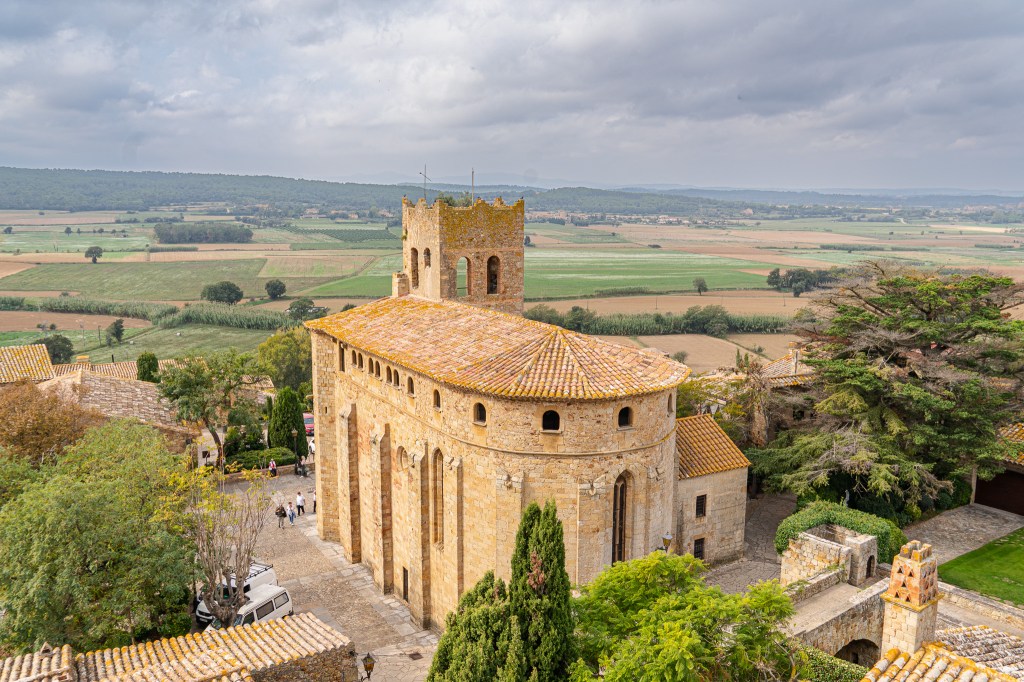
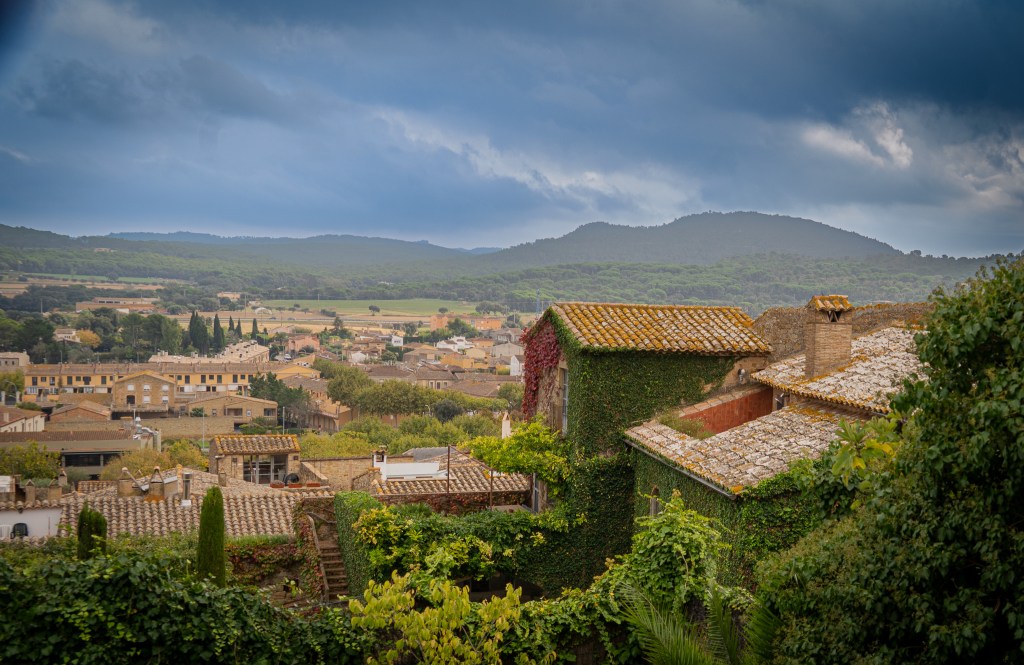
Views over the plains from the Torré de les Hores.

A word of warning here. The top of the tower is home to a substantial bell. If you are up there on the hour, get ready to cover your ears. It seems obvious now but at the time, my focus was on scoping out photo angles. Luckily, we were there at 1 o’clock, so we had only to protect our ears against one strike!
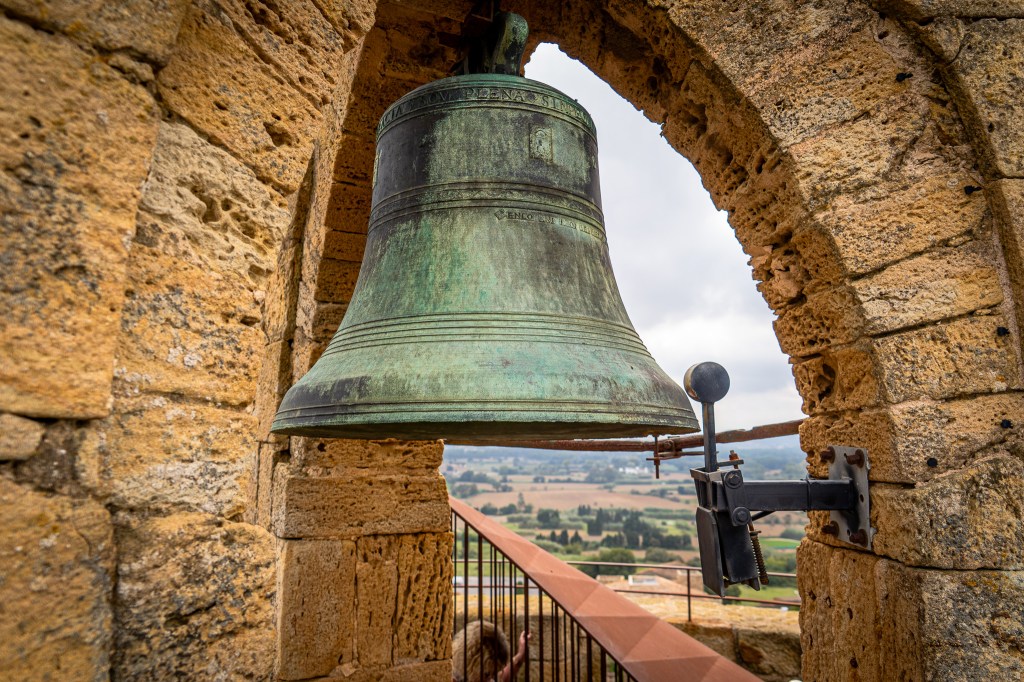
The bell at the top of Torre de les Hores.

One surprise in this part of Pals (the ‘old town’) was the number and variety of shops. Not the shops you would normally expect to find where tourists congregate. You know, the ones that sell myriad key rings and shot glasses and phallic shaped bottle openers. The unobtrusive, tasteful shops sold locally made crafts, such as pottery and glassware, locally produced wine, cheese, ham and olive oil, homewares and soft furnishings. I must declare at this point that my default position when it comes to shopping is loitering patiently outside while my wife considers (not in a hurried way) potential purchases. There was one shop, however, that was so eye catching, it drew me in-Cerámica Planas Marqués. It was an Aladdin’s cave of pottery and ceramics of a particular style and colour that I found unusual. Whether it was the maker’s intention or not, the colour of the pieces seemed to mirror the colours of Pals. The strong ochre of the stone mixed with the blue and white of the skies overhead. Maybe I just got carried away in the moment! It was one of those shops where the challenge was to limit your purchases based on need and available space. In the end, we settled on some coffee cups with matching saucers. And just for good measure, as we were leaving the shop, decided to add a table lamp to our haul!
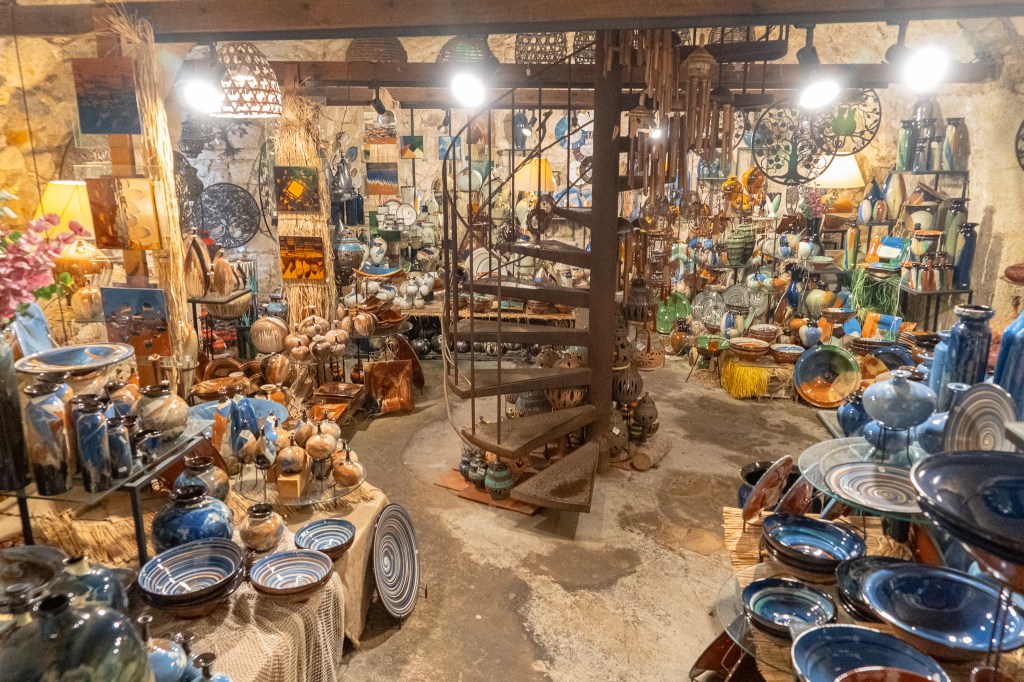
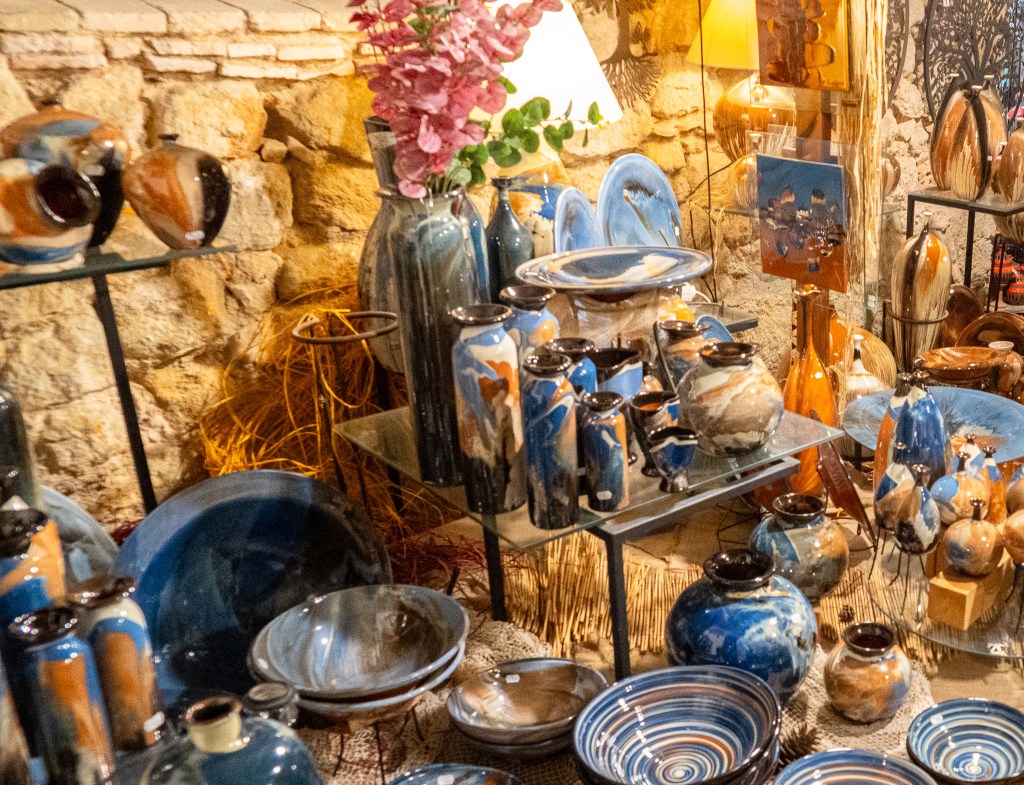
Cerámica Planas Marqués.

And there you have it. A snapshot of Pals. A place with centuries of history. Cobblestones, hidden nooks, Juliet balconies, a tower with a view and a shop where even I, a lifelong window shopper, felt compelled to make a purchase. I almost forgot to mention the small plaza where you can partake in the obligatory tapas and drink of your choice, while watching the eclectic mix of visitors mingle with small number of locals who are lucky enough to call this place ‘home’.
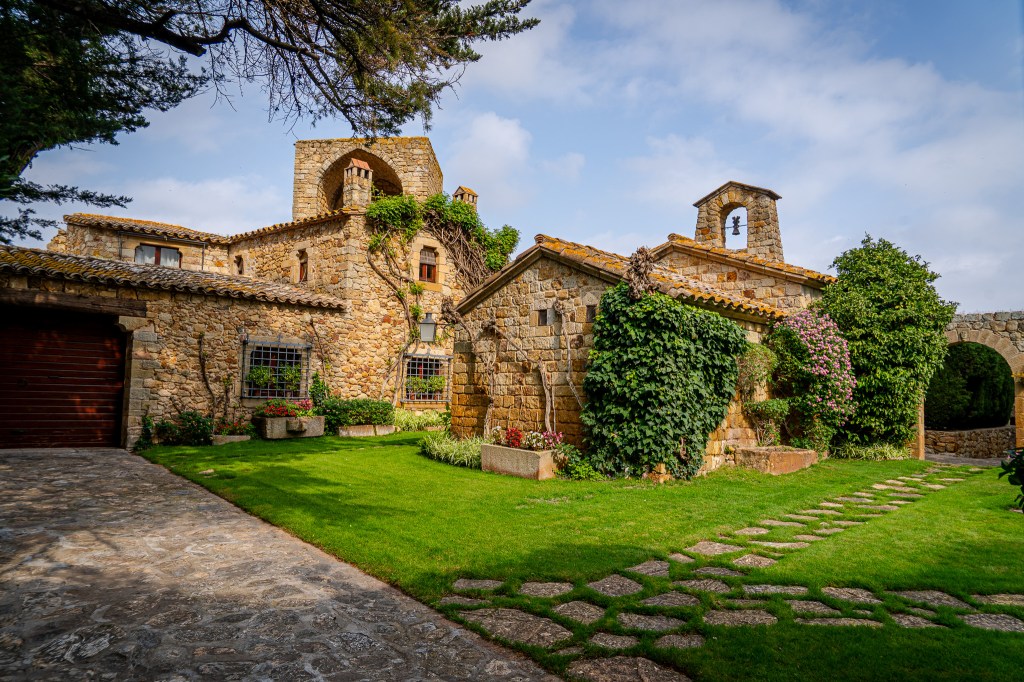
One of the few private residences we saw inside the walls of the old town. An idyllic home, except for the nosey tourists like me peering through your gate!

I highly recommend a visit to Pals if you are in this region of Spain. There are many attractive historical towns and villages throughout the country but Pals is right up there in terms of the quality of its preservation and restoration. A real treat for the eyes.

Time of visit: October 2025. Weather still mild. Shorts and T-shirts. No crowds.

Optimum time needed: 3-4 hours.

Fitness level: Average

Accessibility: Wheelchair users may need assistance in places.

Toilets: Public toilets in car park at entrance to the old town, beside visitors centre.

Location. Northeastern Spain (Catalonia).

I thought it would be useful to mention some locations that we have visited in the same region and their proximity to Pals. I recommend all of them but they all have their own unique appeal. Times given apply to travel by car/bus:

Tossa de Mar-50 minutes.

Girona-Less than an hour.

Cadaqués-1 hour 15 minutes.

Collioure (France)-90 minutes.

Until the next time, hasta luego..
Costa Brava-the rugged coast.

Time of visit: October 2025

We travelled to the Costa Brava in northeastern Spain with David’s Coaches, a company based in the Costa Blanca in the southeastern region of the country. The journey time was around ten hours, broken up by three comfort breaks. While ten hours may sound like a long trek, it wasn’t overly arduous. The scenery along the route, combined with our guide’s repertoire of interesting facts about the various regions we traversed, made it an enjoyable journey. Our itinerary on the five night stay included trips to Girona, Cadaques, Pals and Collioure. My original plan was to publish a piece once I had talked about all locations but to my surprise, retirement is busier than I anticipated and my writing time is limited. So, I will opt for installments, starting with Tossa de Mar, our base for the duration of our trip.

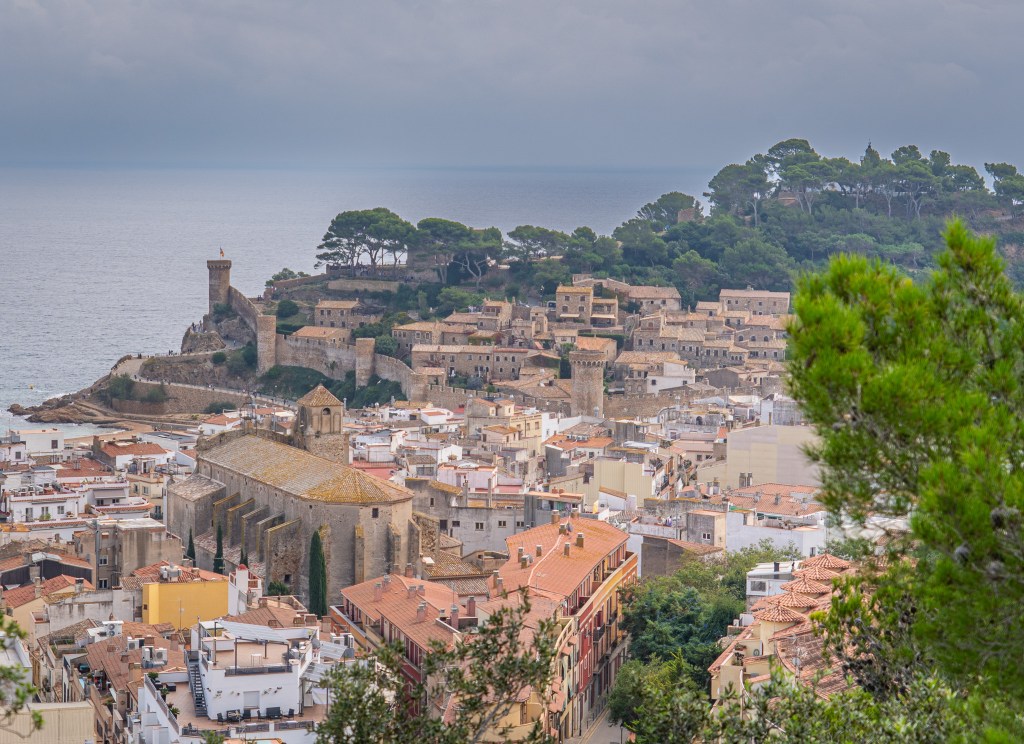
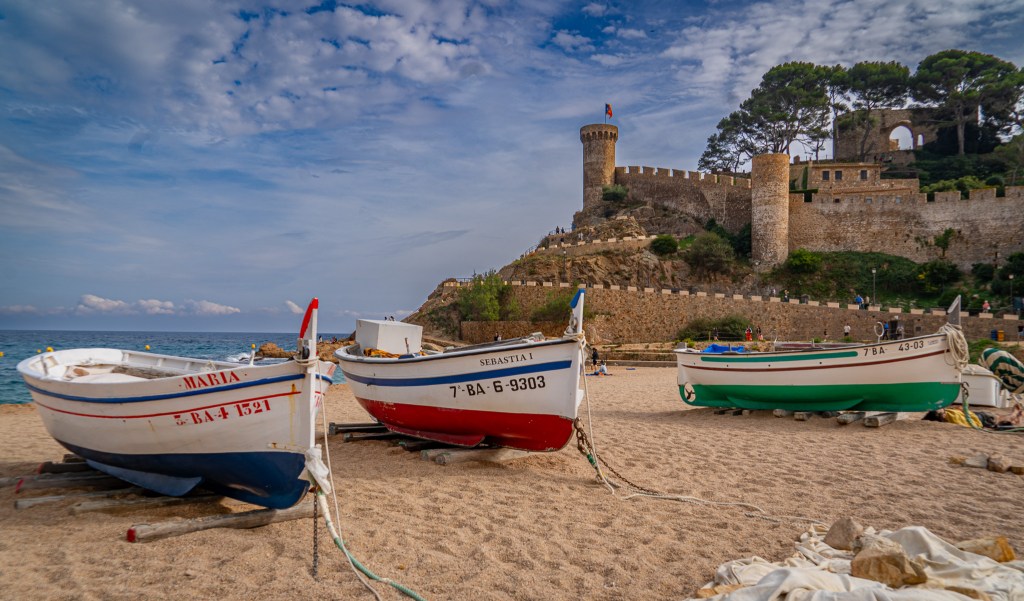
The beach at Tossa de Mar with its striking coloured boats against the backdrop of the old walled town.

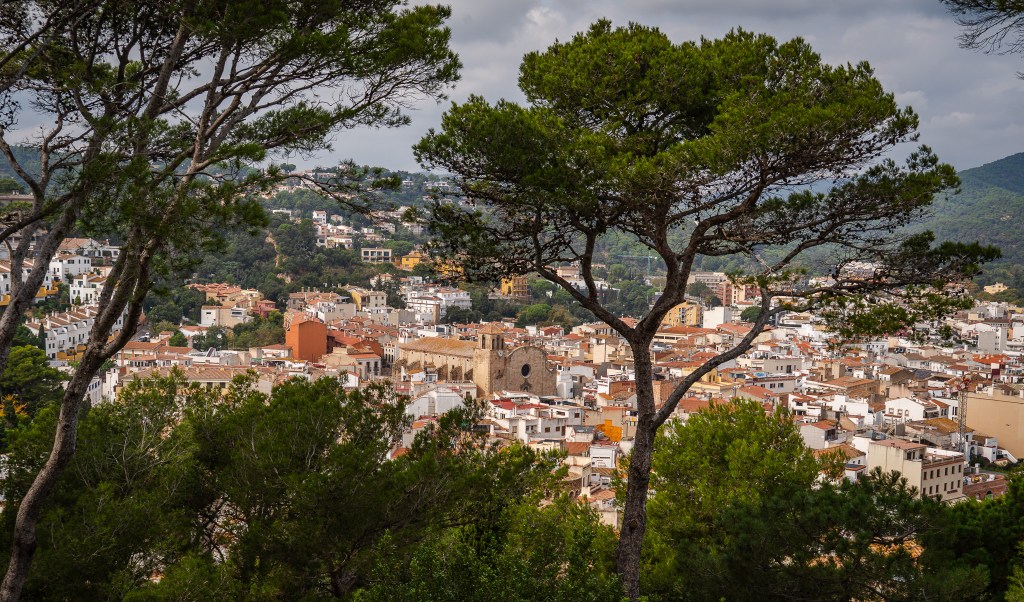
A view of the old town from the Torre des Moros (Tower of the Moors) on Can Magí Mountain.

Tossa de Mar is a municipality in Catalonia, in the province of Girona (Gerona), northern Spain. Its history goes back beyond Roman times but the main architectural characteristics range from 12th century onwards. There is a definite hint of France in the air, not surprising since it is less than 100km from the French border. In more recent times, Tossa de Mar was a successful fishing town but in the 1950’s plans were created to develop the town to attract package holiday makers. And so, the daily catch these days is offloaded from buses instead of boats and consists of curious tourists like us, complete with phones, cameras and backpacks.

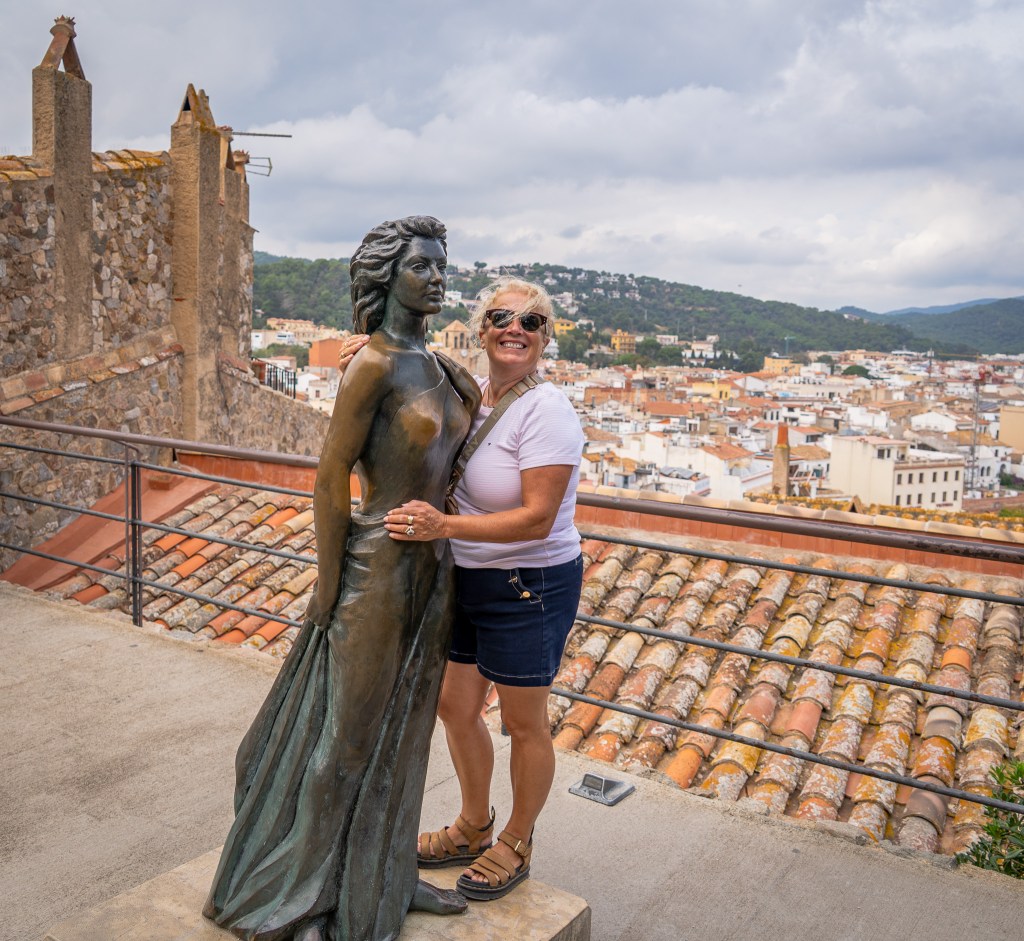
A catalyst for Tossa de Mar’s transformation came in the form of a Hollywood movie that was filmed here in 1950. It was called Pandora and The Flying Dutchman and starred Ava Gardner, James Mason and bullfighter Mario Cabré. Frank Sinatra also flew in to be with Gardner, reportedly in a jealous rage. In 1998 the town honored the actress with a bronze statue by Girona artist Ció Abellí.

Statue of Ava Gardner taking pride of place in the old town. The highly polished appearance of some parts of the statue is a result of excessive touching. Human behaviour is an enigma sometimes!

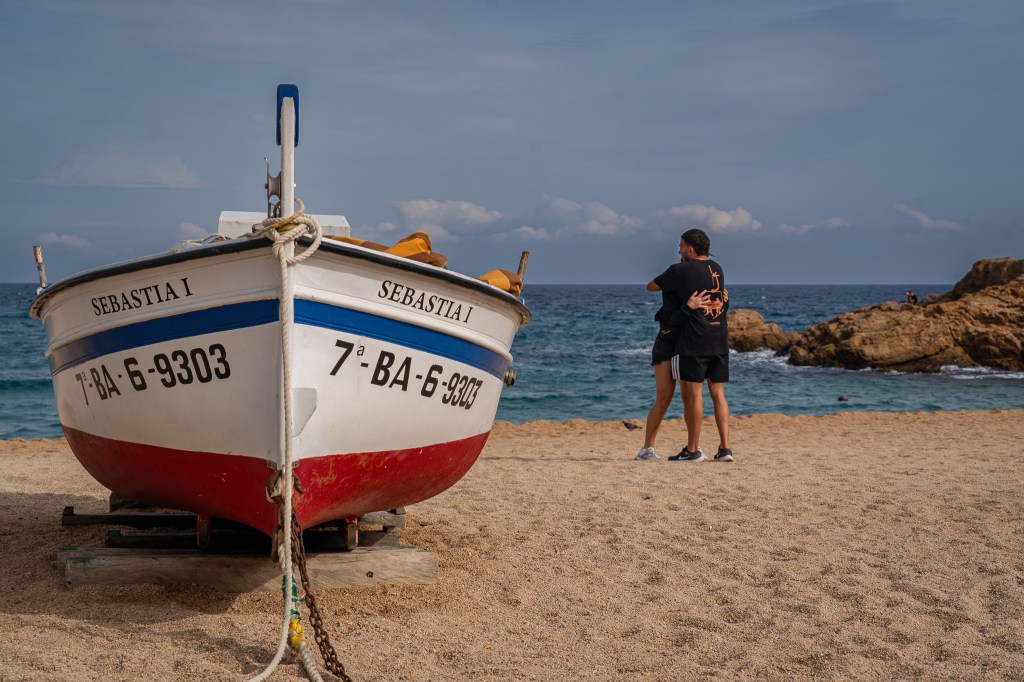
A couple taking time to embrace the moment.

Our hotel was a five minute walk to the beach and during that short stroll the streets change from modern and wide to ancient and narrow. It is a relatively compact town and you should be able to see the main sites in a day. The climb to the peak of the old walled town (the Catalan translation is Vila Vella) provides stunning views and is accessible via paths and steps. Unfortunately these may not be adequate for wheelchair users.

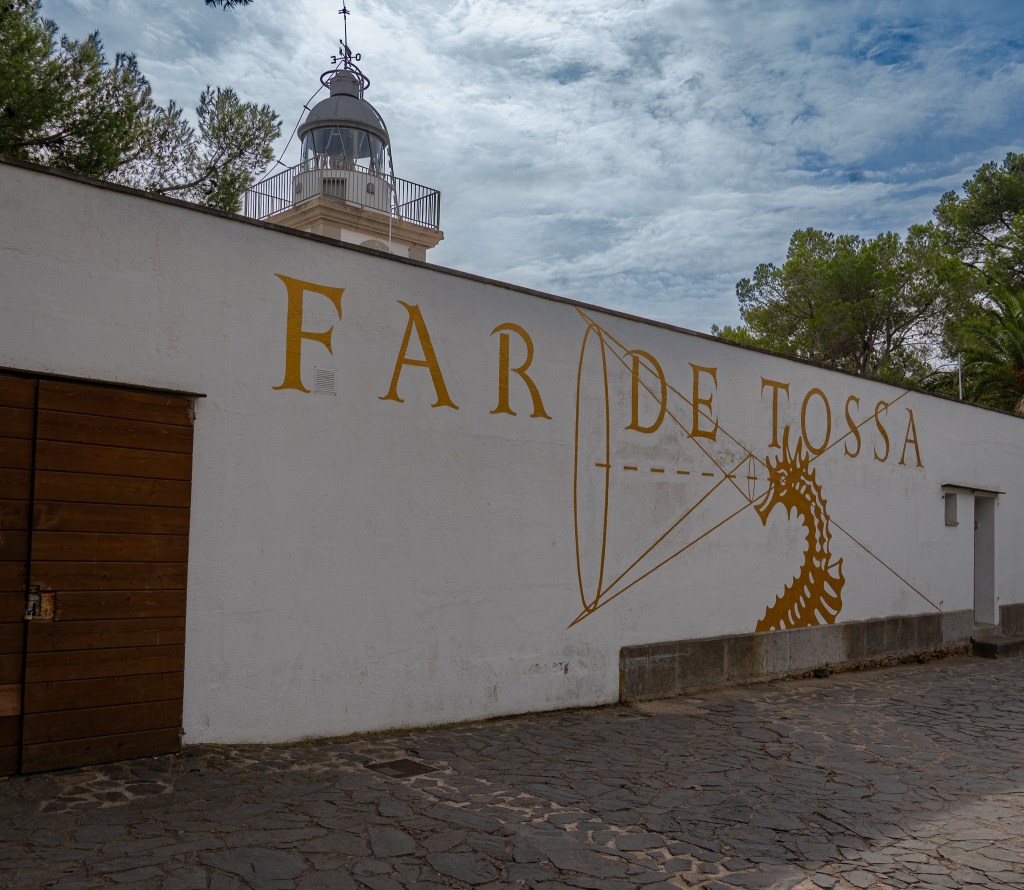
Faro de Tossa (Tossa lighthouse) provides a good vantage point from which to view the old walled town and beyond.

The 12th century remnants of the Gothic style church of Saint Vincent.

Tossa de Mar framed by the majestic Stone Pines.

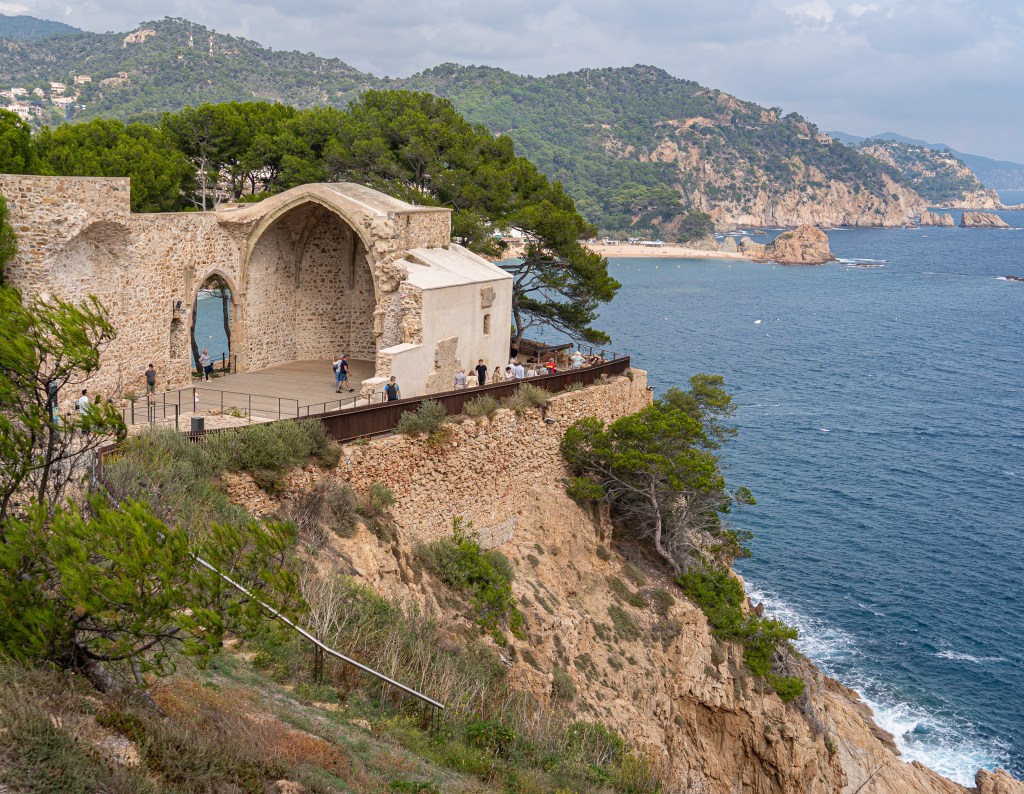
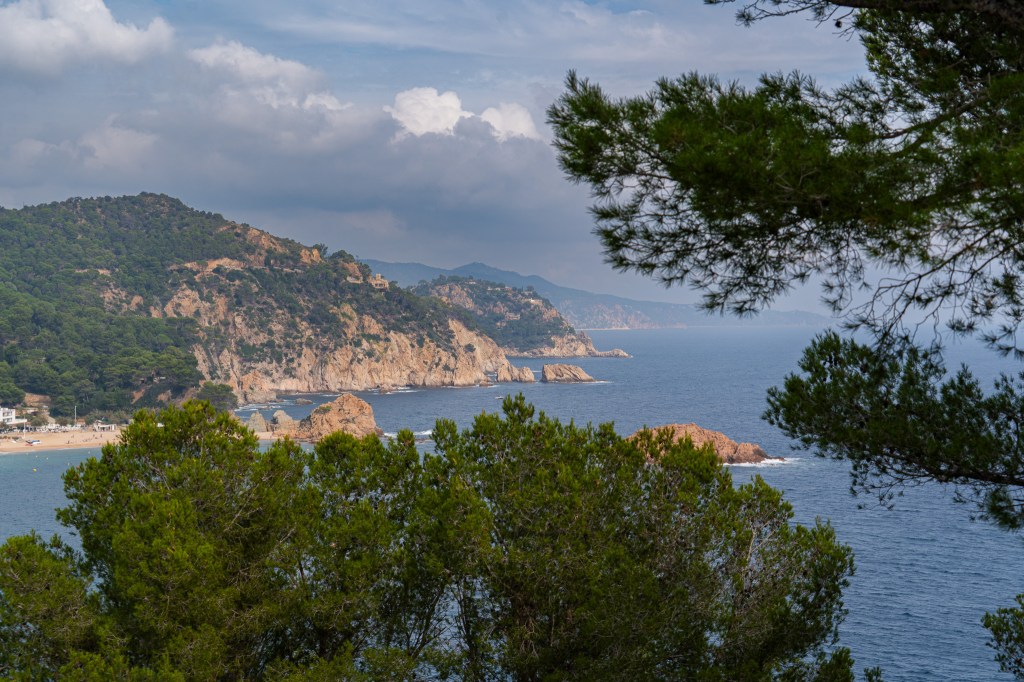
The rocky outcrops that may have inspired the name Costa Brava, Rugged Coast.

No rush here.

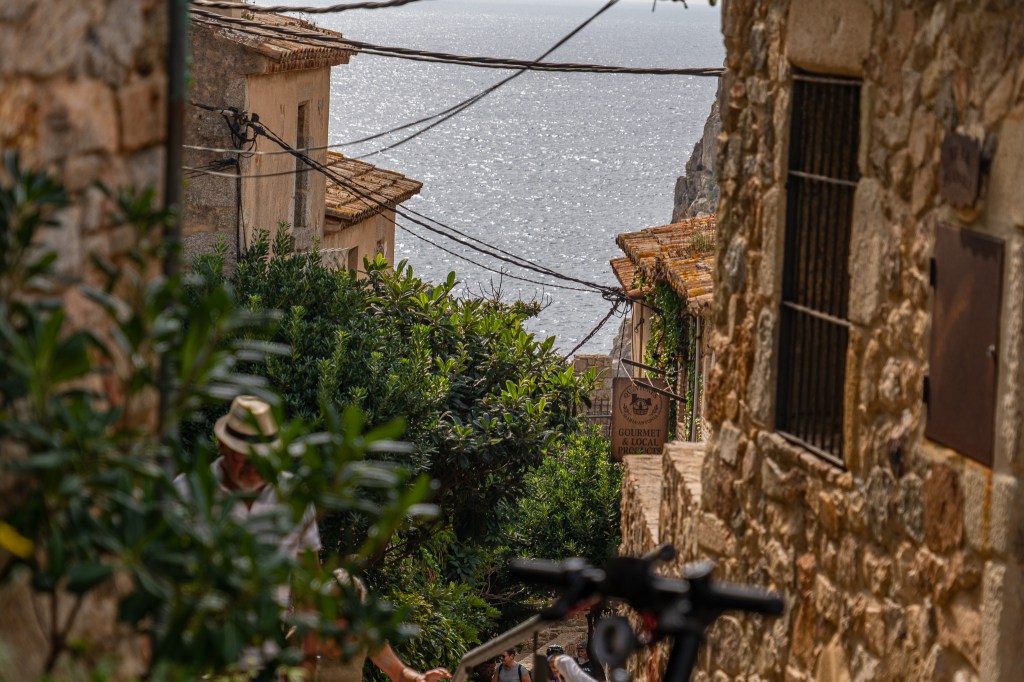
The narrow cobbled streets exude charm and the pace is relaxed. Friendly locals working in the shops, bars and restaurants add to the chilled experience. I suspect these spaces may be less enjoyable in peak season during the summer, when the crowds are funneled into the narrow walkways.

Taking a break in the shade of the oleander bush (at least I think it was Oleander).

The character of Tossa de Mar old town is a rich and inspiring one.

One observation I have made in recent times is the surge in ‘selfie tourism’ and Tossa de Mar was awash with selfie seekers. Even in the off peak season there are significant numbers of people striking a dramatic pose at the end of a selfie stick, trying for all their worth to appear nonchalant as they stroll through the narrow streets while a partner records the scene. I find the serious ones the most amusing. The ones who turn up in a flowing designer dress and heels, more suited to a night at the Oscars, and repeat the shoot until they get a result they are happy with, all the while oblivious to the presence of others. I wonder how much of the location is lost on them because they only seem to want a backdrop that will generate views and likes. I also wonder what the old fishermen would make of it all! As I was writing the last couple of sentences, it occurred to me that I sound like a grumpy old man. And maybe that’s the natural way of things. When we are faced with behaviours that are alien to us, we tend to be critical. A note to self-different people enjoy different things! Each to their own. Live and let live etc.

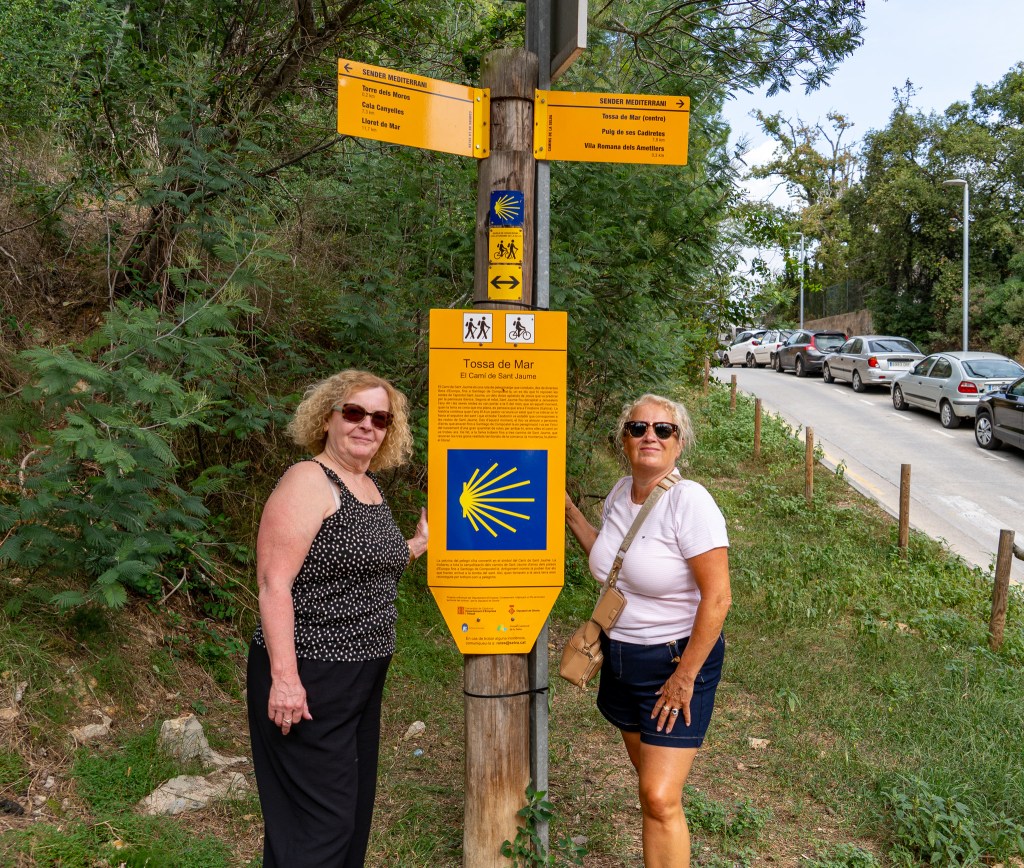
Speaking of which, for those who enjoy walking, Tossa de Mar is on the route of El Camino de Santiago de Compestella (in Catalan, El Cami de Sant Jaume). The subject of the Camino has come up in conversation several times over the years but the closest we’ve ever come to actually doing it, is posing for photographs at the famous scallop markers that direct pilgrims. One of the ladies in the photo below (not saying which one) even bought a hat to wear when her time came to do it. She has subsequently decided that she would be accompanied by too many flying insects and she’s not a big fan of our winged friends. Still, I’m sure the hat will enjoy a suitable debut some day..

If asked what I liked most about Tossa de Mar, it would be the same answer that applies to towns and villages all over Spain. Apart from the simple reward of seeing somewhere for the first time, the enjoyment for me is twofold. Firstly the aesthetic. When I see an old town like Tossa de Mar, I see an ochre stone canvass painted with the colours of the bougainvillea and oleanders, capped with terracotta rooftops. The play of light on the stone. The shadows in the narrow passages, moving slowly across the cobbles, synchronising with the sun as it sinks lower in the sky.

Secondly, I am always intrigued by the human aspect of the place. Who are the owners of the craft shops and galleries? Have their families lived here for generations? What would it have looked like in the days before mass tourism, when the only people making their way through the streets were fishermen and their families? A time when, instead of shops and cafes, there were bakers and net menders. When I ask myself these questions it reminds me that no matter where we go, places are defined by the people who inhabit them. It’s what gives a place soul.

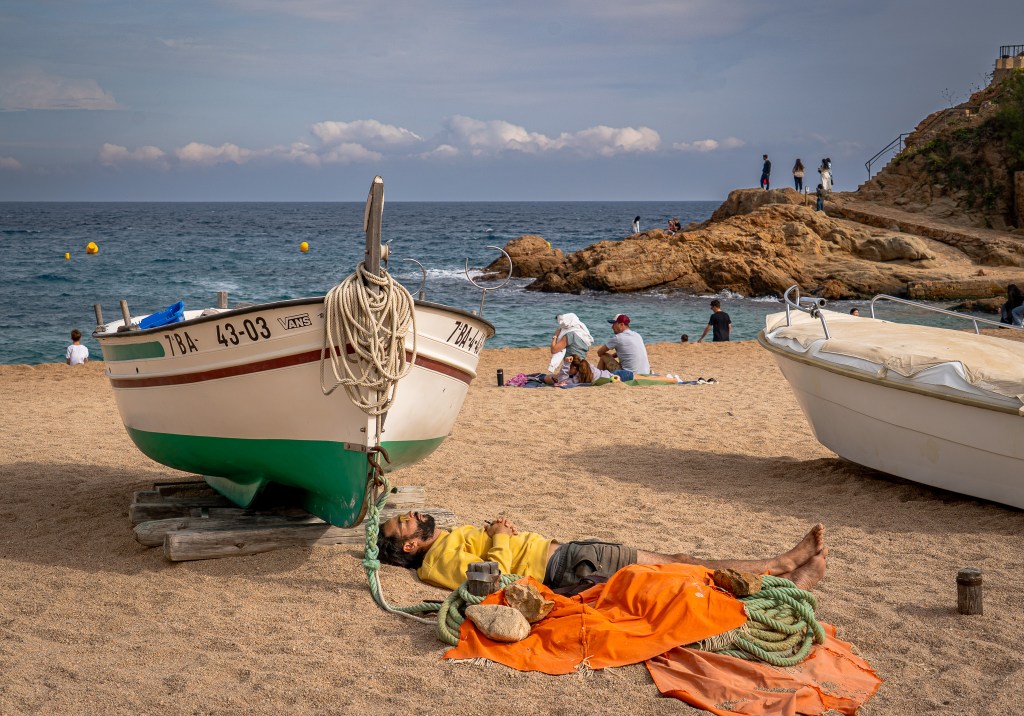
It’s all about the people. This local knows how to blend in. I had taken several photos of this scene before I realised he wasn’t part of the boat’s gear.

Would I recommend Tossa de Mar as a place to visit? Definitely! It’s the perfect base to explore the region. The nearest major airport is Barcelona. Regarding accommodation, I would have no hesitation in recommending The Golden Bahia hotel. Its setting is unremarkable but its location is perfect. The room was clean and comfortable. The food was varied, fresh and of high quality. The staff were extremely friendly and welcoming and a surprising number of them were multilingual. Like everywhere, it can be expensive in peak season but there are offers to be had if you are prepared to visit off season. A lot of the guests were repeat visitors from Ireland, Britain and mainland Europe. A hotel that can continually please such a diverse grouping is doing something right!

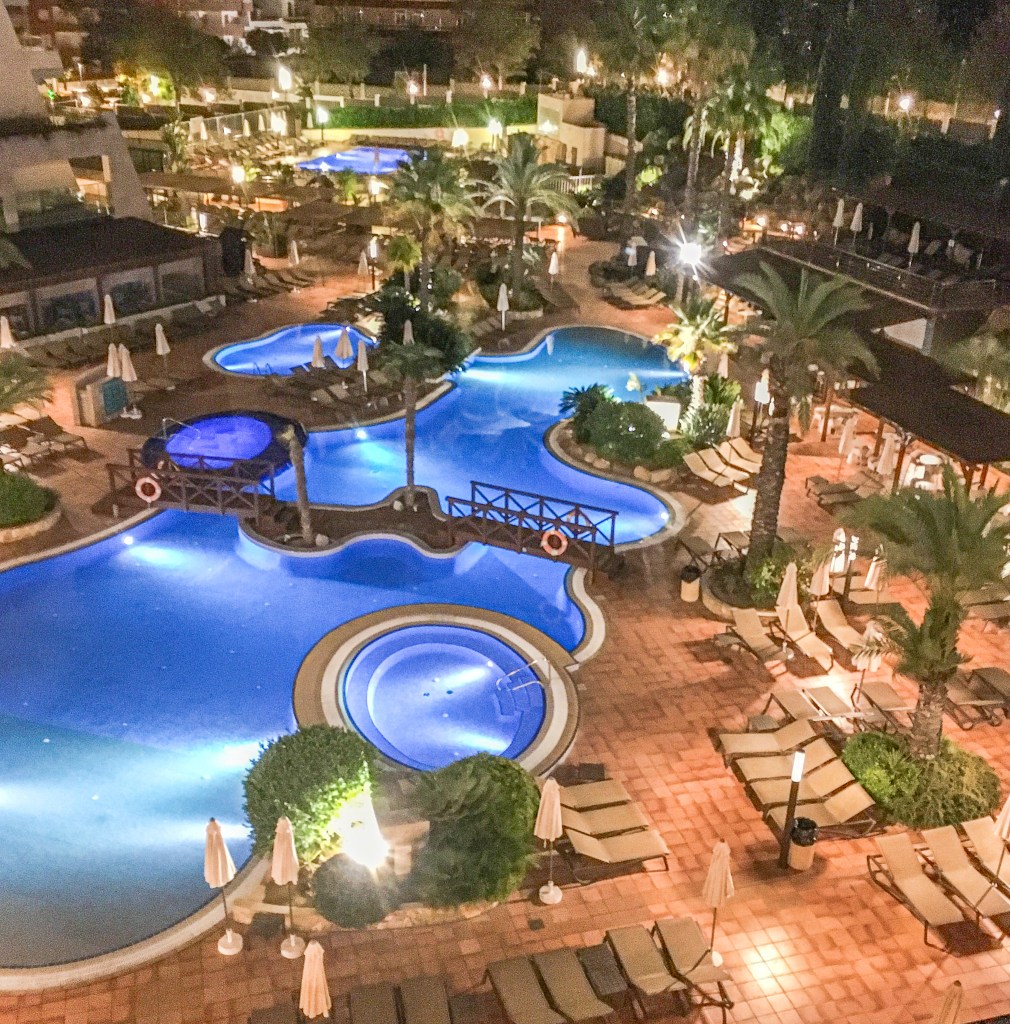
View from our hotel room, overlooking the pool area of Golden Bahia.

Next installment coming soon…

Morning People

It’s easy to feel that you have a personal connection to the sunrise. Even when you know it can be seen by everyone. And so, when we get up and go to a particular place to enjoy it and hopefully photograph it, I usually find myself with mixed emotions. I see other people (not many) with the same idea as me and feel resentment that they are crashing my party. My time with MY sunrise. On the other hand, I feel reassured that I am not alone in my appreciation of what is arguably the most precious part of the day.

Please meet some of the dawn fraternity…

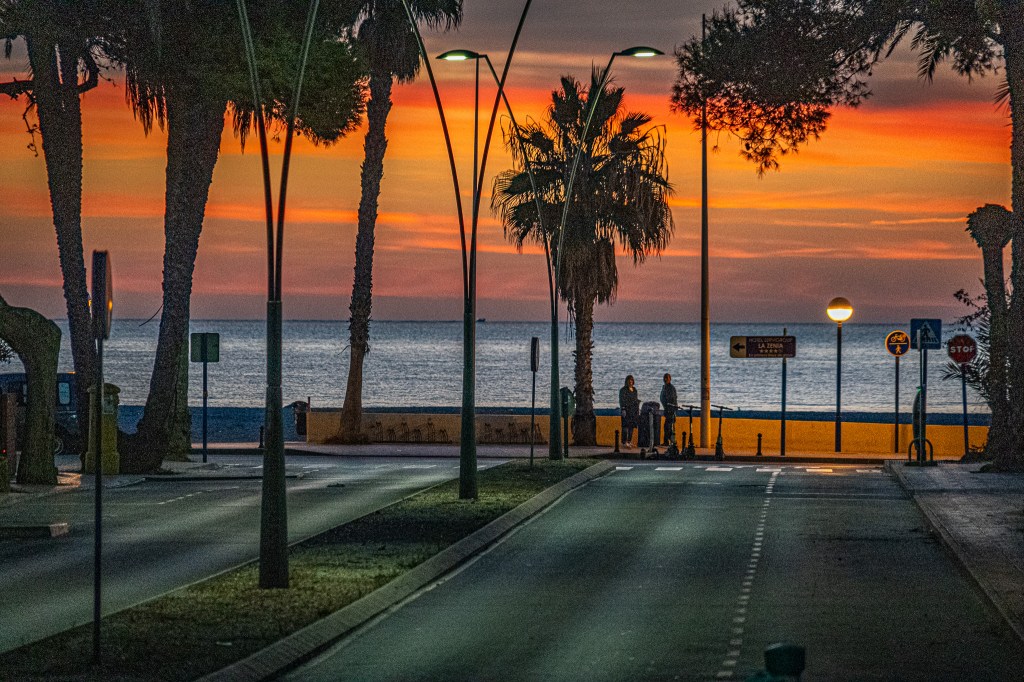
I pulled into this deserted street near La Zenia beach just before sunrise. As I took the photo I couldn’t help but think the couple in the shot resented me. Probably because I was crashing their party. Their time with THEIR sunrise!

Some mornings disappoint because of cloud cover but the uncertainty is half the joy. After a dull start, my long suffering wife was rewarded with an inspiring sunrise at Playa Flamenca, Orihuela Costa.

This is probably one of my favourites. From a technical perspective, it’s nothing special but I think it has a cinematic feel. Something almost nostalgic about it. Playa Flamenca, Orihuela Costa.

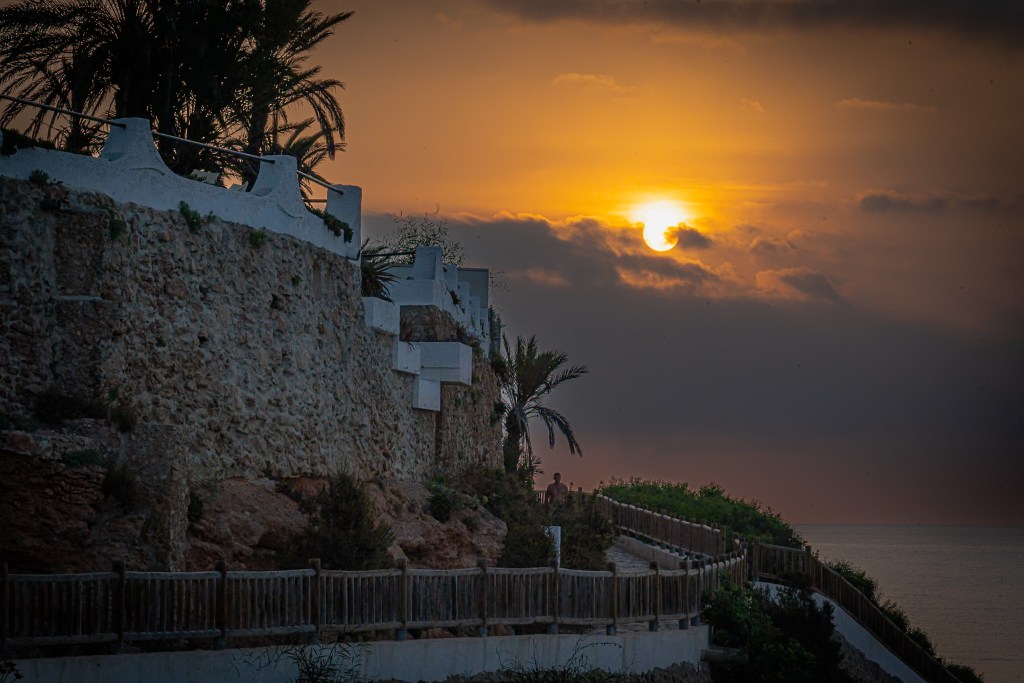
The sun appearing about 10 minutes after sunrise on the coastal path at Cabo Roig. The first jogger of the day coming into shot.

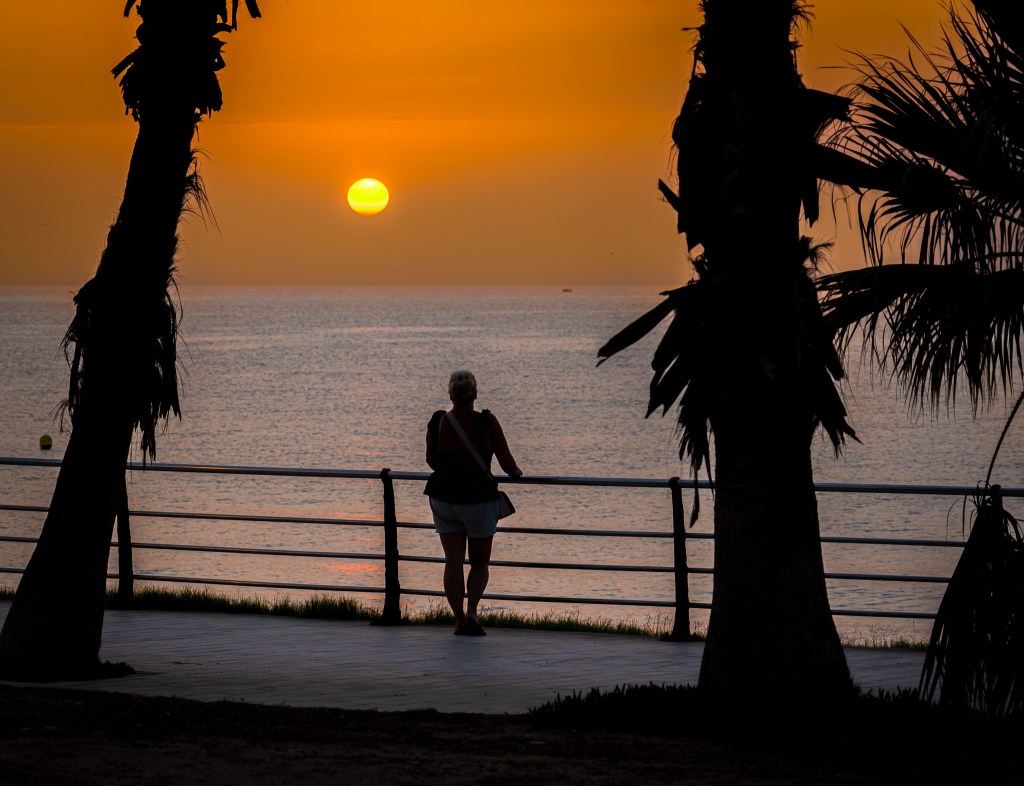
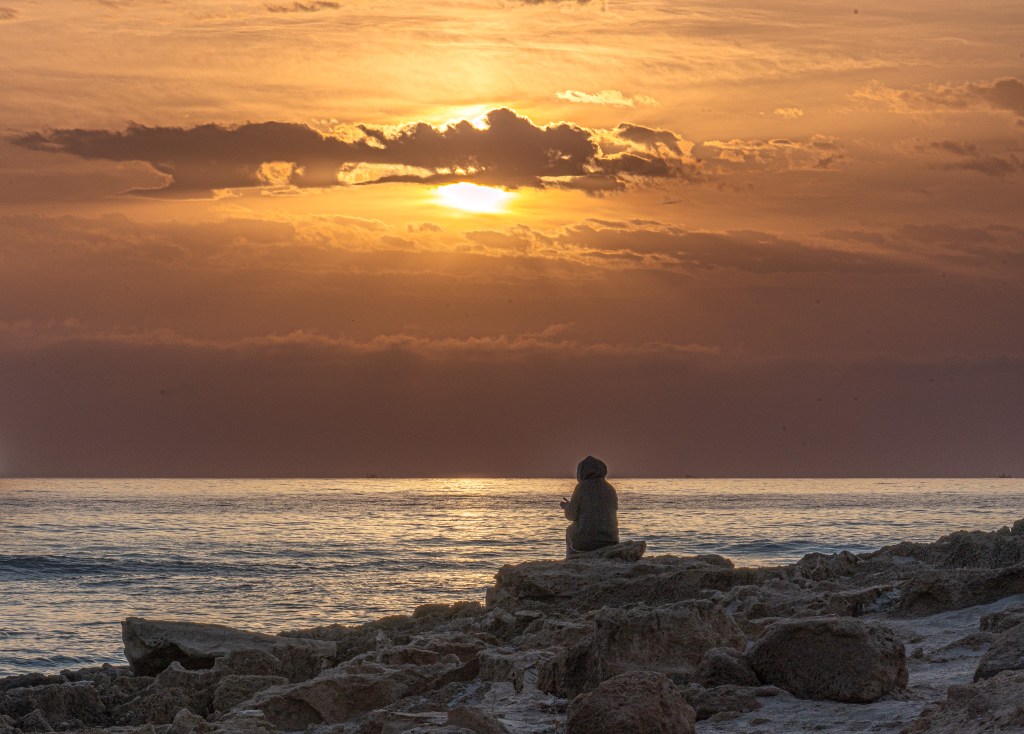
A very cold morning at La Zenia, Orihuela Costa. Alone with her thoughts. This time of day is an opportunity in a frenetic world to find some quiet space.

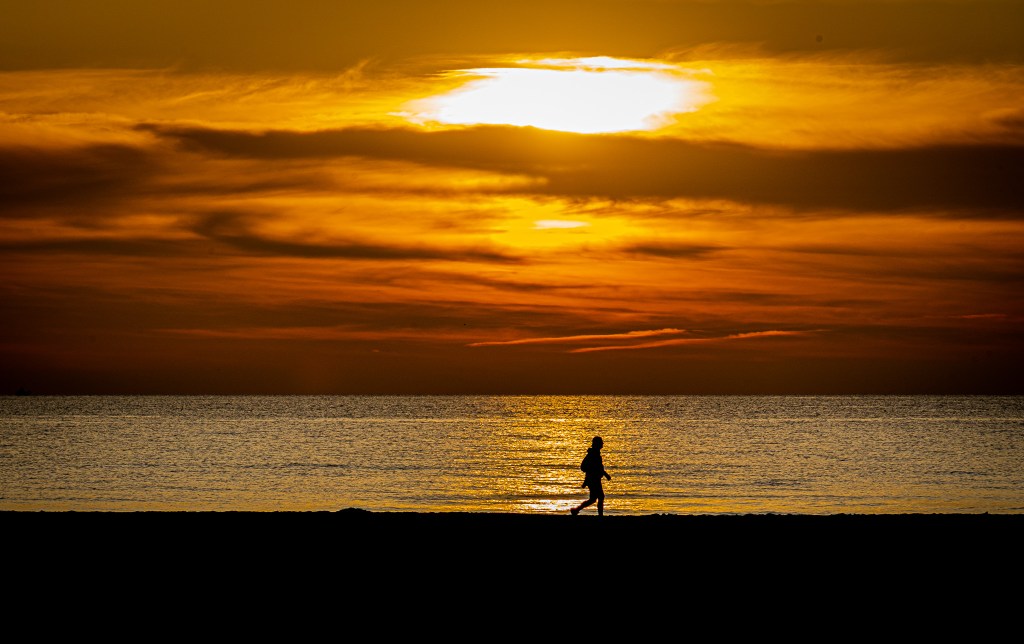
A lone walker on La Zenia beach. Not many better ways to start the day. And depending on the time of year, this is the only time it is possible. In summer, the daytime temperatures and crowds make it a less enjoyable experience.

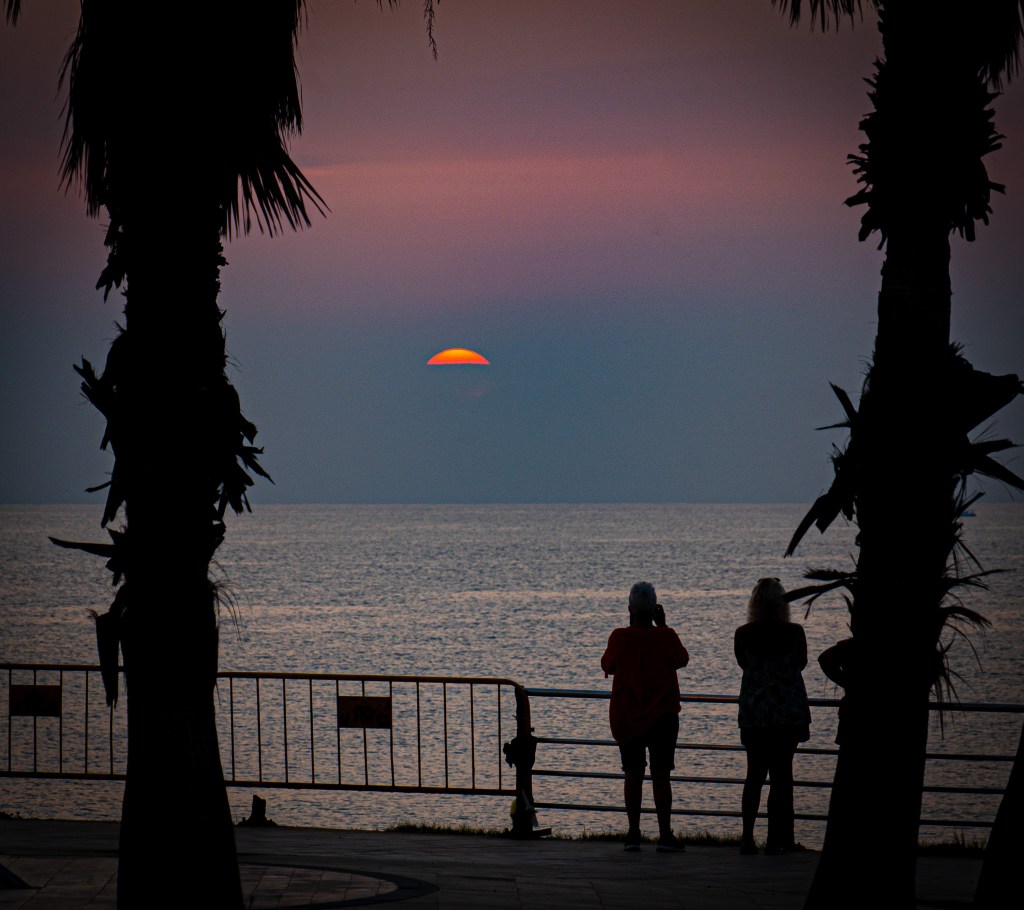
Partial reveal. That touch of magic when the rising sun slowly appears above the misty horizon at Playa Flamenca. The patience of the expectant watchers paying off.

There is never any interaction between the morning people, apart from the odd polite nod. A hesitancy exists among the multinational strangers. One unsure of the language spoken by the other. But as the sun rises in the sky and reaches an intensity that is impossible to look at, and as the morning people make their way to their various homes to get on with their days, they can be sure of one thing. They all share a common language. One that has no words. Rather, one that consists of a shared wonder and appreciation of the yellow star that sits at the centre of our solar system and the magic it performs every morning.